Console launches tend to follow a script. Demand spikes, shelves empty, and then everyone waits months for software that justifies the purchase. Nintendo’s Switch 2 followed the first half of that script and ignored the rest. Nintendo said the console sold more than 3.5 million units worldwide in its first four days after the June 5, 2025 launch, the fastest start for any Nintendo hardware.
That figure matters less as a record than as a reset. Hardware makers have spent years assuming that a new system needs a long runway, a slow price decline, and a mid-cycle refresh before the install base gets big. Switch 2 skipped that runway, and it did so at $449.99 for the standalone console, with a Mario Kart World bundle at $499.99. Those are not impulse-buy prices.
A Launch Built on a Library Nobody Had to Abandon
The simplest explanation for the pace is that Nintendo did not ask its audience to start over. The original Switch has sold well over 150 million units, and Switch 2 plays most of that library. A parent with a shelf of Mario, Zelda, and Pokemon cartridges was not buying a blank slate. They were buying a better version of a device already in the house.
That is a sharp contrast with how most generational jumps work. A PlayStation or Xbox owner moving to new hardware also carries a library, but the pitch has usually been about what the new box does that the old one cannot. Nintendo’s pitch was closer to “everything you own, running better, plus new things.” It lowers the risk of the purchase, and risk is what slows most launches down.
Software Did the Heavy Lifting
Hardware sells on the first day, but software decides whether the second quarter looks healthy. Here Nintendo front-loaded its calendar in a way the original Switch never did. The 2017 launch leaned on The Legend of Zelda: Breath of the Wild and a party-game curiosity in 1-2-Switch. Switch 2 arrived with Mario Kart World as a centerpiece, and Donkey Kong Bananza followed in July as a second reason to own the system.
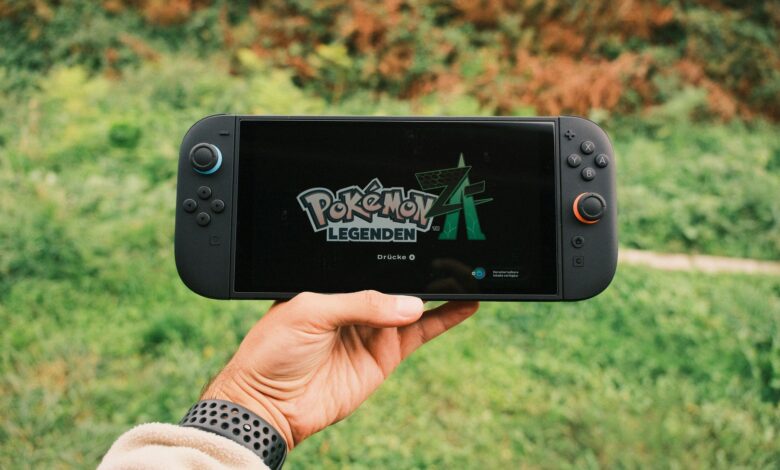
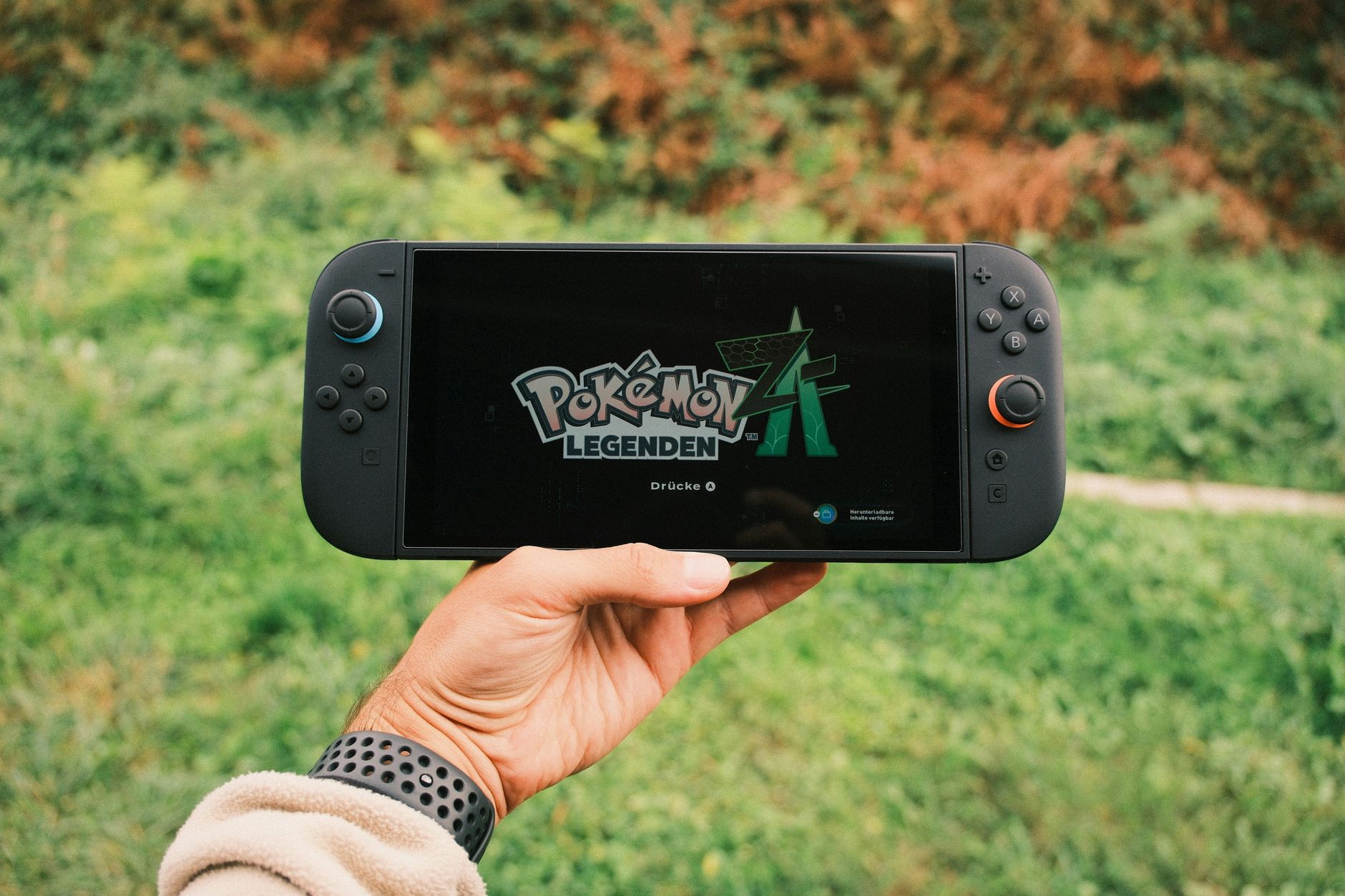
Then came the fall. Pokemon Legends: Z-A landed in October, Kirby Air Riders followed in November, and Metroid Prime 4: Beyond arrived in early December. Each targets a different audience. Pokemon pulls in the enormous mainstream base, Kirby appeals to the party-and-racing crowd, and Metroid serves the long-time fans who waited years for the game. Spreading releases across audiences keeps the console in the conversation without relying on one franchise to carry everything.
There is also the matter of what the sales numbers actually measure. Nintendo reports shipments to retailers, not purchases by customers, so the headline totals show how much stock has been sent out the door. They do not show how much is sitting in warehouses or on store shelves. Four days of record sales, though, is hard to explain as channel stuffing, and holiday demand gave Nintendo a real test of whether the early rush was only the most eager fans.
The company’s response was telling. After its mid-year results, Nintendo raised its full-year hardware forecast, and its reported shipments passed the 10 million mark by the end of September. A manufacturer does not lift a forecast on hope. It does so when orders and early retail data point upward.

The Friction Points Nintendo Is Betting Players Will Tolerate
The pace has come with real complaints. Mario Kart World carries an $80 price tag in the US, and that number has made some players wince. Nintendo also adopted game-key cards for certain third-party releases, physical cartridges that contain a key rather than the game itself and require a download. For collectors who buy physical copies to avoid exactly that, the format has been an irritation.
Neither complaint has dented demand so far, which says something about Nintendo’s position. Its first-party games rarely get discounted, and its audience knows it. Players pay full price because they expect a Nintendo release to hold its value and stay playable for years. That expectation is a strength, but it also means any stumble in quality would be punished harder than it would be for a publisher with a looser reputation.
Year Two Is the Harder Test
Launch windows flatter every console. The buyers in the first six months are the people who wanted the system most, and they will pay almost any price. The second year is when the audience shifts to people who need a reason, and the reasons have to come from a steady rhythm of software rather than a single splashy release. Nintendo’s calendar for 2026 includes FromSoftware’s The Duskbloods, an exclusive that signals a willingness to court a more hardcore audience than the company usually chases.
Competition for attention matters too. Rockstar’s delay of Grand Theft Auto VI has reshaped the release calendar for the whole industry, and publishers are rearranging their own dates around it. Nintendo does not need to fight GTA directly because the two audiences overlap less than people assume, but a crowded holiday window can still thin out shoppers’ budgets and shelf space.

The better measure of success may be what happens when there is no new Mario or Pokemon on the horizon. The original Switch kept selling for years because Nintendo kept finding fresh reasons to buy it, from fitness games to Animal Crossing at exactly the right moment. If Switch 2 can sustain that habit with a quieter slate, the launch pace will look like the start of something durable. If it cannot, a record four days will be remembered as the fastest sprint before a long stretch of ordinary jogging.