A Generational Test That Actually Matters
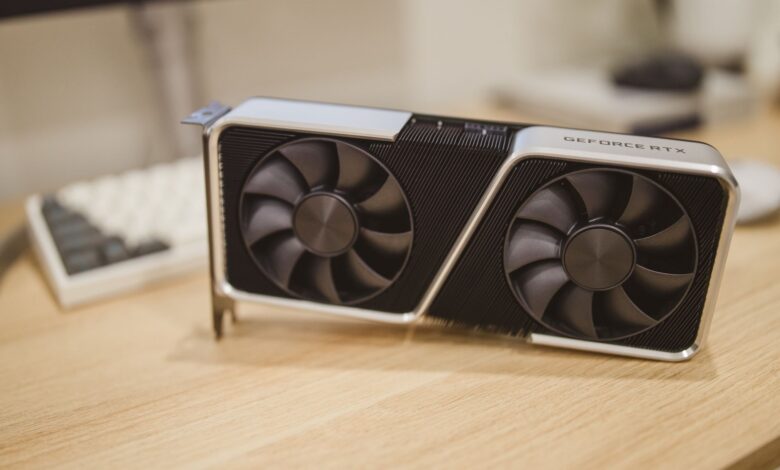
Nvidia’s RTX 5060 Ti arrives as the GPU market’s most-watched mid-range release in years, promising DLSS 4 with Multi Frame Generation, a 16GB VRAM tier at a price point the 4070 never offered, and enough architectural changes to make the upgrade math genuinely complicated.
What Has Actually Changed Under the Hood
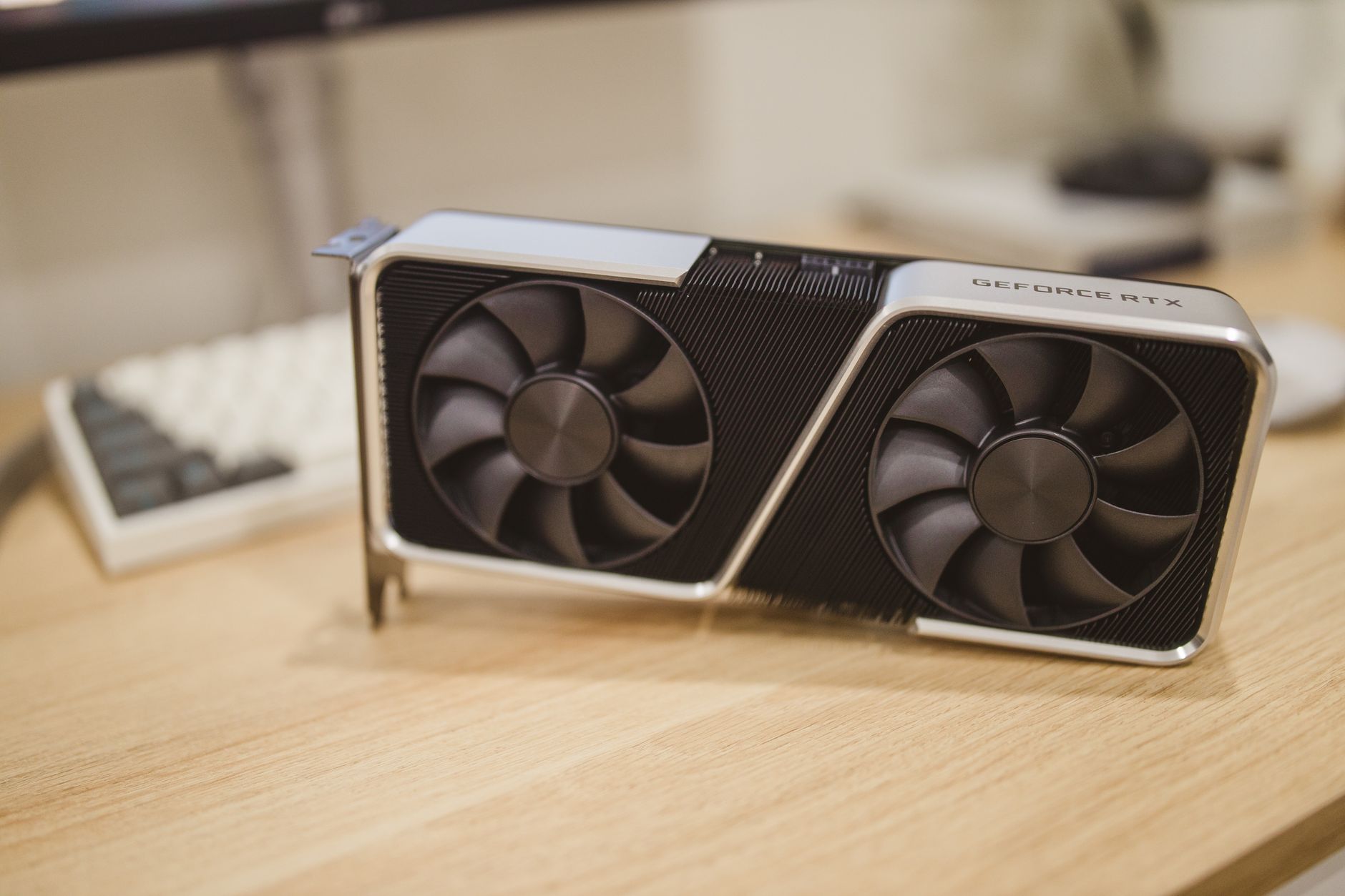
The RTX 5060 Ti is built on Nvidia’s Blackwell architecture, replacing the Ada Lovelace silicon that powered the 4070. On paper, the 5060 Ti ships with 4,608 CUDA cores across the 8GB and 16GB variants, a significant jump from the 4070’s 5,888 cores – which immediately raises a flag. Raw core count alone does not tell the full story here, because Blackwell’s shader execution model is redesigned to extract more work per clock cycle than Ada managed. Nvidia claims roughly 30 percent generational efficiency gains in rasterization workloads, though real-world results are always more varied than any controlled internal benchmark.
Memory bandwidth is where the 5060 Ti earns attention. The 16GB variant uses GDDR7 across a 128-bit bus, delivering bandwidth figures that compete with the 4070’s GDDR6X on a 192-bit bus. GDDR7’s speed advantage partially compensates for the narrower bus width, though it does not fully close the gap in bandwidth-heavy workloads like high-resolution texture streaming or ray tracing at 4K. For 1080p and 1440p gaming – the audience this card targets – the practical difference rarely shows up as a bottleneck.
The 5060 Ti also drops power consumption meaningfully. Where the RTX 4070 carries a 200W TDP, the 5060 Ti sits around 180W in its standard configuration. Over months of gaming that adds up, and for smaller form factor builds with tighter thermal budgets, the lower draw gives builders more flexibility. Nvidia also redesigned the PCIe connector situation slightly, reducing the anxiety around the 16-pin adapter that caused issues for some 4090 owners in the previous generation.
Frame generation is the wildcard Nvidia is clearly betting on. The 4070 supported DLSS 3 Frame Generation, which added one interpolated frame between rendered frames. The 5060 Ti supports Multi Frame Generation, capable of generating up to three frames for every one that the GPU actually renders. That multiplier looks extraordinary on a spec sheet, but carries a real caveat: latency increases with each generated frame, and the technology works best at frame rates already above 60fps, not as a rescue mechanism for struggling hardware.
Performance Across Real Workloads
At 1440p in rasterization-only workloads, the 5060 Ti lands roughly 10 to 15 percent ahead of the 4070 in titles like Cyberpunk 2077, Hogwarts Legacy, and Black Myth: Wukong – depending on driver maturity and scene complexity. That margin is real but not dramatic. For someone playing at 1440p on a 165Hz monitor, the 4070 already delivered smooth performance in most of those games, and the 5060 Ti pushes framerate ceilings rather than fixing broken experiences.
Ray tracing tells a different story. Blackwell handles RT workloads more efficiently than Ada, and in titles built specifically around path tracing like Alan Wake 2 and Cyberpunk 2077 with full RT enabled, the 5060 Ti pulls further ahead – sometimes 20 percent or more before frame generation enters the equation. That headroom matters because path tracing is increasingly the intended visual mode for new PC releases, not an optional toggle for enthusiasts only.
When Multi Frame Generation is switched on, framerates inflate sharply. Cyberpunk 2077 at 1440p with ultra settings and full RT moves from around 45fps to a displayed 120fps or higher with 3x MFG active. Whether that represents a genuine 120fps experience is debatable – input latency climbs, and fast motion can expose visual artifacts that pure rendering does not produce. Nvidia’s Reflex technology helps manage the latency overhead, and in slower-paced or narrative-heavy games the tradeoff feels acceptable. In competitive multiplayer titles, where input latency directly affects performance, turning MFG off and letting the GPU render natively is usually the better call.
The 16GB VRAM tier is the 5060 Ti’s clearest structural advantage over the 4070’s 12GB. At 1440p today, 12GB is sufficient for most games. But texture pack modding, upcoming titles with more aggressive VRAM demands, and any user interested in local AI workloads on the side will feel the gap within the next two years. The 4070 Super partially addressed this by staying at 12GB, which is part of why Nvidia’s move to standardize 16GB at this tier for Blackwell reads more as forward-proofing than a spec war flex.
Power efficiency deserves a direct comparison too. Running synthetic benchmarks at equivalent performance targets, the 5060 Ti consistently reaches parity with the 4070 while drawing notably less power. That efficiency gap only grows when DLSS 4 is active, because the GPU is rendering fewer native frames and leaning on dedicated tensor hardware for reconstruction – hardware that is considerably more power-efficient than shader cores doing raw rasterization work. For users with electricity costs factored into their build budget, the 5060 Ti’s lower sustained draw is a concrete financial consideration, not a marketing footnote.
Who Should Actually Make the Switch
For RTX 4070 owners sitting at 1440p and satisfied with current performance, the case for upgrading is thin. The native rendering gains are incremental, and Multi Frame Generation is not a reason to spend money on new hardware unless your existing framerates are already in a range where MFG can amplify them usefully. Staying put and waiting for a more decisive architectural gap – or a price drop that makes the 5060 Ti a steeper bargain – is a completely reasonable position.

The upgrade calculus shifts for anyone coming from a 3060 Ti, a 3070, or earlier Ampere hardware, or anyone building a new system from scratch. At that gap, the generational difference in ray tracing capability, VRAM headroom, and efficiency is large enough to feel it in day-to-day use. Worth noting: the Intel Arc B580 vs RTX 5060 Ti comparison is a conversation worth reading before committing to this price tier, because Intel’s aggressive VRAM and pricing strategy means Nvidia does not have this segment entirely to itself. The 5060 Ti’s retail availability and driver ecosystem still hold advantages, but the competitive pressure is real – and Nvidia will need to price this card correctly at launch to make the choice obvious.