Two Different Bets on the Same Problem
Upscaling has become the real battleground for mid-range GPU value. Raw rasterization performance matters less than it did five years ago, because both Nvidia and AMD have built their cards around the assumption that you will be running their upscaling technology at almost all times. The RTX 5070 ships with DLSS 4 and Multi Frame Generation. The RX 9070 XT ships with FSR 4, AMD’s first machine-learning upscaler built on a dedicated AI architecture. These two cards sit within striking distance of each other on price, and both are targeting the same buyer: someone who wants 4K gaming without paying flagship money.
The comparison is messier than a simple frame count.
Each card carries different trade-offs depending on the game, the driver version, and whether the title even supports the vendor’s preferred upscaling path. DLSS 4 is exclusive to Nvidia hardware. FSR 4, like all previous FSR versions, is open and runs on any GPU – but its quality uplift is most pronounced on RDNA 4 hardware where AMD can fully exploit the AI accelerators baked into the architecture. Benchmarking these two cards honestly means separating raw rasterization numbers from upscaled output, and that separation is where most reviews either get lazy or get interesting.

DLSS 4 and Multi Frame Generation: What the RTX 5070 Actually Delivers
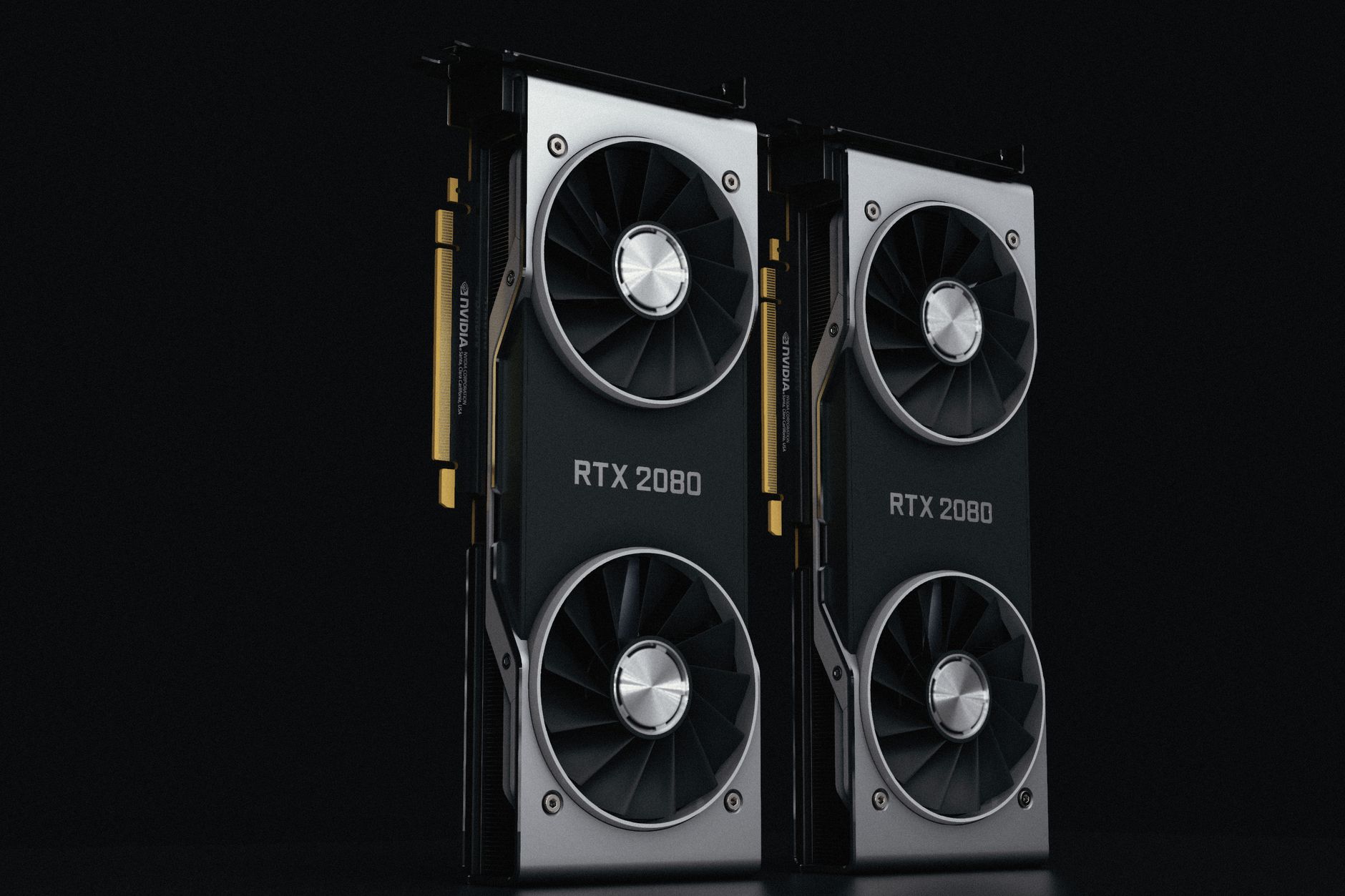
DLSS 4 Quality mode on the RTX 5070 produces output that, in most scenarios at 4K, holds up well under close inspection. Nvidia’s transformer-based model handles fine detail and motion better than the older convolutional network used in DLSS 3. Hair, foliage, and fast-moving particles show noticeably less ghosting. The improvement over DLSS 3 is real, though it is most obvious in motion rather than static frames – if you are comparing screenshots, you will undersell the difference.
Multi Frame Generation is where Nvidia’s pitch gets both exciting and complicated. At high base frame rates, MFG can multiply your output frames by a factor of four, and the RTX 5070 handles this without the severe latency penalty that plagued early Frame Generation implementations on the RTX 4000 series. In titles like Cyberpunk 2077 and Alan Wake 2, MFG-enabled 4K performance looks extraordinary on paper. The catch is that MFG requires a solid base frame rate to avoid visible artifacts on object edges and during rapid camera movement. Drop below 60 fps at the rasterization level and the generated frames start to look wrong in ways that are hard to ignore once you notice them.
Nvidia’s frame count advantage is real, but the perceived smoothness advantage shrinks when you factor in Reflex latency measurements. At high MFG multipliers, input lag remains acceptable – Nvidia has clearly tuned Reflex to compensate – but it is not the same feel as native rendering at equivalent frame rates. Competitive players who care about latency above all else will want to test this carefully before committing.
FSR 4 and the RX 9070 XT’s Upscaling Argument
AMD’s FSR 4 is a genuine step forward. Earlier FSR versions were spatial upscalers that ran on any hardware, which made them accessible but visually inferior to DLSS at equivalent quality modes. FSR 4 uses a machine learning model that requires dedicated AI compute, and the RDNA 4 architecture in the RX 9070 XT has enough of it to run FSR 4 at full quality without tanking your frame rate. The output quality at 4K Quality mode is noticeably better than FSR 3, particularly in motion-heavy scenes where FSR 3 could look almost blurry by comparison.
Head-to-head against DLSS 4 Quality mode, FSR 4 is close enough that the difference in a blind test would be difficult for most people to identify consistently. In static frame comparisons, FSR 4 holds its own. In motion, DLSS 4 still has a slight edge in fine detail reconstruction, but the gap is narrow enough that it no longer justifies dismissing AMD’s upscaling as a second-tier option. For the RX 9070 XT’s target buyer, this matters enormously: you are not accepting a compromised experience to save money, you are getting something genuinely competitive.
Where AMD falls short is frame generation. AMD’s Fluid Motion Frames technology exists, but it does not match the implementation maturity or the multiplier ceiling of Nvidia’s MFG. The RX 9070 XT can generate additional frames, but the practical uplift is more conservative, and game support is patchier. If you weight raw frame count in upscaling-enabled scenarios heavily, the RTX 5070 wins that argument. If you weight image quality per dollar and broader compatibility, the gap closes considerably. AMD has also been vocal about FSR 4 eventually running on older RDNA hardware in a reduced form, though the full quality mode stays exclusive to RDNA 4 for now.
Raw Rasterization and Where the Cards Actually Stand
Strip out upscaling entirely and run both cards at native 4K, and the RTX 5070 leads the RX 9070 XT by roughly 10 to 15 percent in most tested titles, which is consistent with where both cards sit in traditional GPU hierarchy rankings. That margin is real but not dramatic. In native 1440p, the RX 9070 XT is faster than it has any right to be at its price, because RDNA 4 has strong raw compute throughput that shows up clearly in rasterization workloads. The 16GB VRAM on the RX 9070 XT is a practical advantage over the RTX 5070’s 12GB in titles that are already pushing memory limits at 4K with high texture settings. As games load larger asset packs and higher resolution textures, VRAM headroom becomes a more relevant purchasing consideration – especially if you plan to keep the card for three or more years. For anyone building or upgrading a high-end PC, pairing either of these cards with a board like the Asus ROG Crosshair X870E Hero gives you enough CPU overhead to avoid bottlenecking either GPU in demanding scenarios.
The RTX 5070 wins on upscaling ceiling and frame generation maturity. The RX 9070 XT wins on VRAM, native rasterization value per dollar, and an upscaling solution that is finally good enough to stop being an asterisk. The card you choose depends almost entirely on how much you value Nvidia’s MFG multiplier – and whether the games you actually play are built to take advantage of it.