Two Chips, One Target: 1440p Gaming in 2025
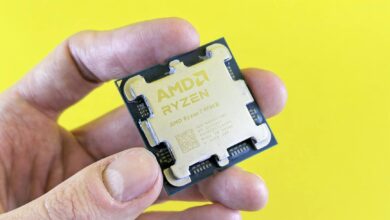
AMD’s Ryzen 7 9800X3D and Intel’s Core Ultra 7 265K represent the clearest split in consumer CPU philosophy right now. One bets everything on stacked cache to feed game engines faster. The other bets on raw clock speed and a hybrid architecture that doubles as a capable productivity chip. At 4K, GPU bottlenecks tend to flatten the gap between processors. At 1440p, the CPU starts to breathe, and the real differences become harder to ignore.
Testing both chips at 1440p rasterization is where the conversation gets serious for the majority of PC gamers.
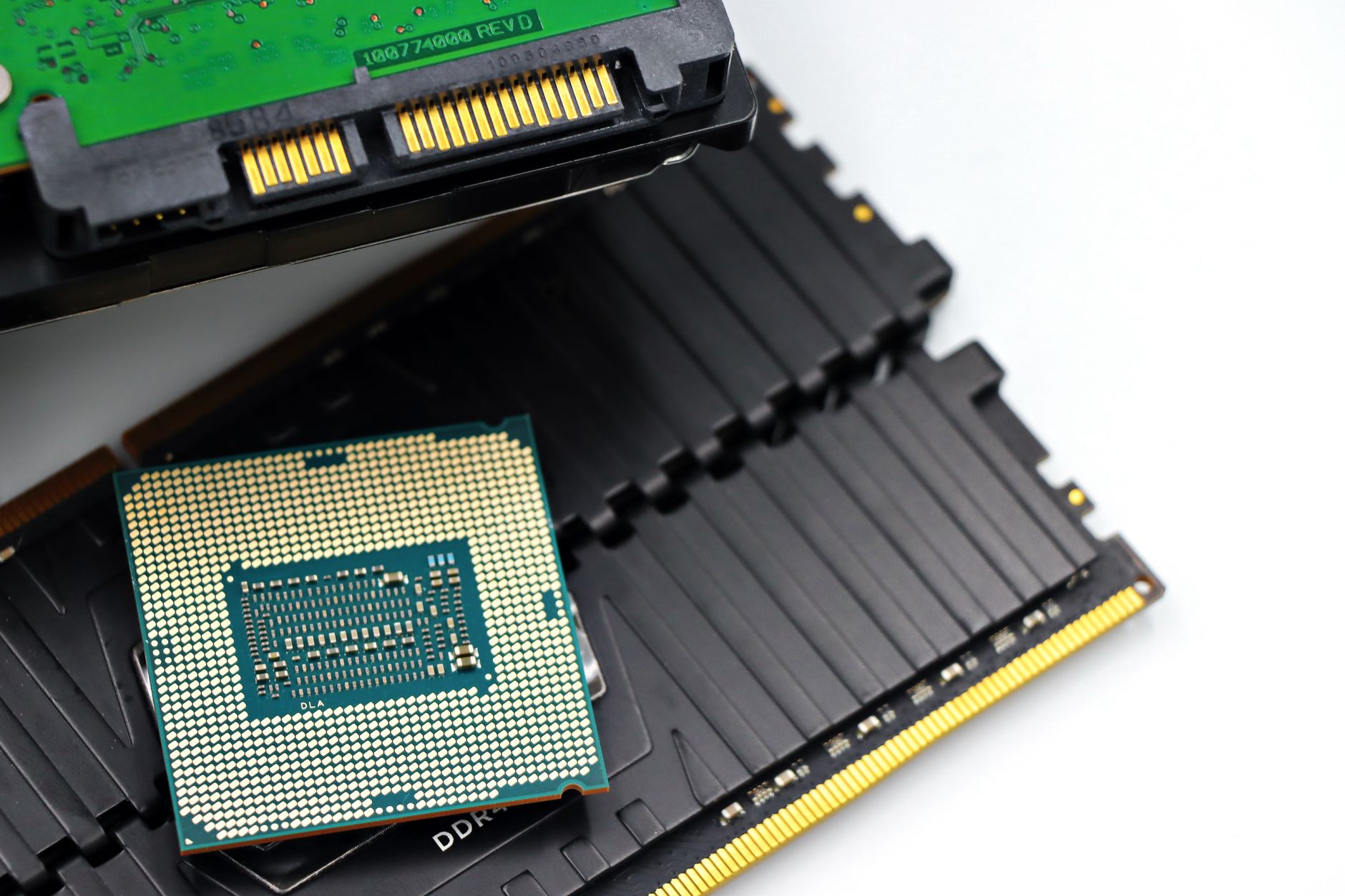
The 9800X3D carries 96MB of L3 cache through AMD’s 3D V-Cache technology, a design built specifically around the reality that modern game engines constantly stall waiting on memory data. The Core Ultra 7 265K counters with Intel’s hybrid core layout – eight Performance cores and twelve Efficiency cores – with higher base and boost clocks. Both chips land in a similar price bracket, which makes the head-to-head genuinely relevant rather than a theoretical exercise.
Rasterization Benchmarks: What the Numbers Show
In CPU-limited rasterization workloads at 1440p, the 9800X3D pulls ahead consistently in titles built around open-world streaming and large NPC simulations. Games like Cyberpunk 2077 and Hogwarts Legacy – both known for punishing CPU frame pacing – favor the 9800X3D by margins that actually affect playability, not just benchmark graphs. The cache advantage directly addresses how those engines prefetch and page data during traversal, and the 3D V-Cache architecture is specifically suited to reduce those fetch latencies.
The 265K closes the gap in titles that respond better to raw thread throughput. Microsoft Flight Simulator and certain competitive shooters like Rainbow Six Siege show the 265K performing within a few frames of the 9800X3D, and in some runs pulling slightly ahead at the highest frame rate ceiling where the Efficiency cores take on background threading tasks without stealing headroom from the Performance cores. The hybrid architecture works quietly here – the OS and background applications get offloaded to E-cores, keeping P-cores focused on the game thread.
Frame pacing consistency is where the 9800X3D earns its reputation. Even in scenarios where average framerates sit close together, the 1% and 0.1% low figures tend to favor AMD’s chip. A 5 to 8 frame difference in worst-case lows might not sound significant until you feel a stutter during a fast camera pan or a dense combat encounter. For players on high refresh rate monitors – 144Hz and above – those low frametimes are the difference between a display that feels native to the refresh rate and one that occasionally lurches.

Platform Costs and the Bigger Picture
Processor performance at 1440p does not exist in isolation. The AM5 platform AMD built the 9800X3D on carries forward compatibility promises through at least the next generation, and DDR5 is now mature enough that memory pricing is no longer a sticking point. Intel’s LGA1851 platform for the 265K is newer, and while it supports DDR5 as well, the long-term upgrade path is less certain given Intel’s recent cadence shifts. For someone building a system today with plans to swap the CPU in two years, that distinction actually matters.
Power consumption is another practical variable. The 9800X3D runs notably cooler under gaming loads compared to the 265K, which can draw significantly more power in performance mode. That affects cooling costs, case airflow requirements, and electricity over time. Neither chip requires exotic cooling – a mid-range 240mm AIO or a quality tower cooler handles both – but the 265K demands more thermal headroom to sustain its boost clocks consistently. Push it into a poorly ventilated case and performance degrades faster than it would with AMD’s chip. If you want to see how these two CPUs handle ray tracing workloads, the Ryzen 7 9800X3D vs Core Ultra 7 265K 4K ray tracing breakdown covers that specific scenario in detail.
Both chips handle 1440p gaming at the GPU’s ceiling in most scenarios – meaning neither is holding back a current-generation graphics card like the RTX 4080 or RX 7900 XTX at typical gaming resolutions. Where the separation shows up is at very high framerates, in CPU-heavy games specifically, and in sustained gaming sessions where consistency matters as much as peak performance. That is a meaningful distinction for competitive players and enthusiasts, less so for someone playing at 60fps on a mid-tier GPU.
The Verdict at 1440p
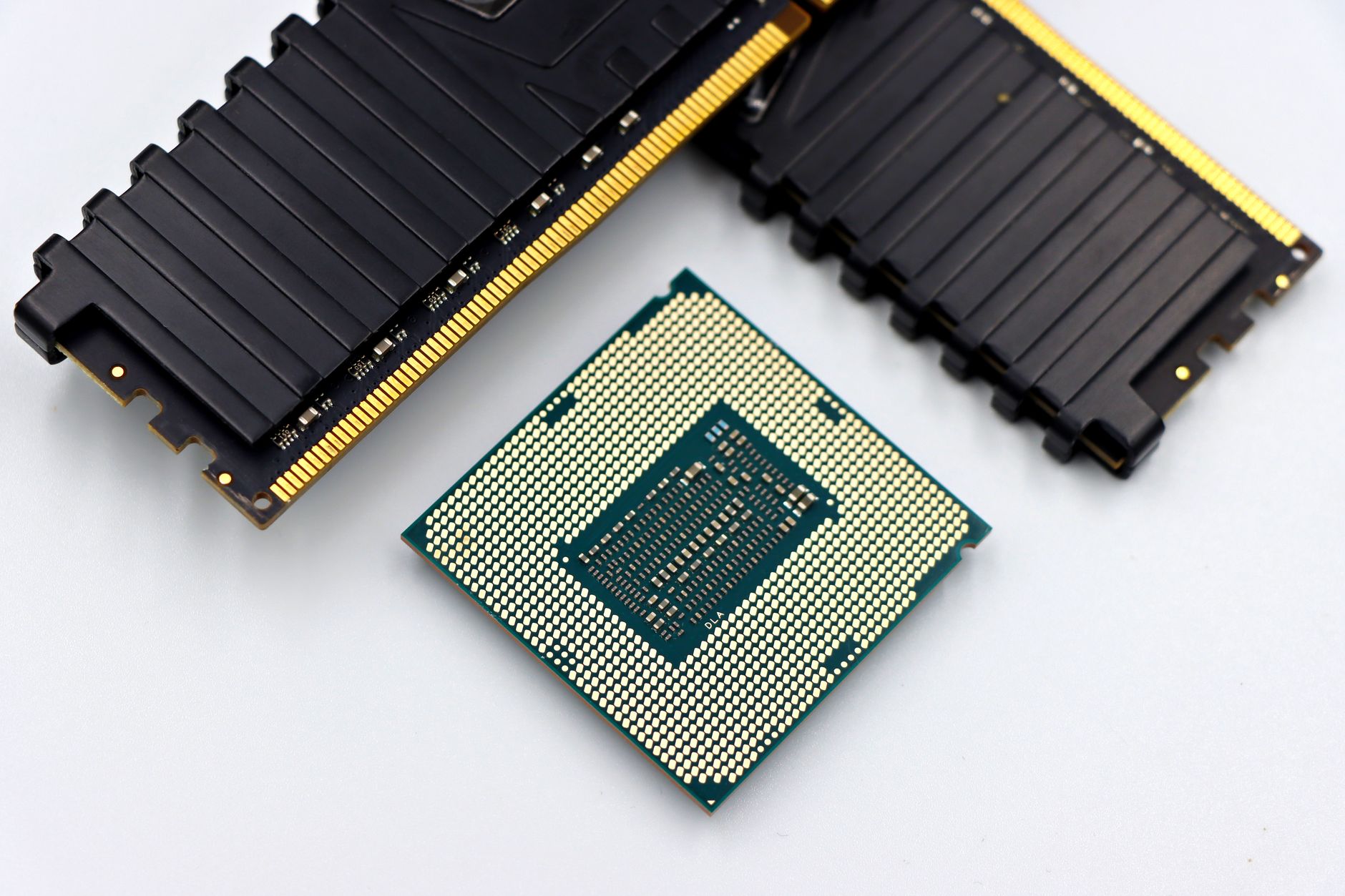
For 1440p rasterization gaming, the Ryzen 7 9800X3D wins in the scenarios where it is supposed to win – open-world games, high-refresh competitive play, and frame time consistency under load – and the Core Ultra 7 265K remains genuinely competitive in threaded workloads and titles tuned for Intel’s architecture. If gaming is the primary job, AMD’s chip is the cleaner answer. If the same machine runs content creation, streaming, or multitasking alongside games, the 265K’s extra E-cores start earning their keep in ways the benchmarks don’t fully capture, which means the honest recommendation depends on what the rig is actually for – and that answer is different for almost every buyer.