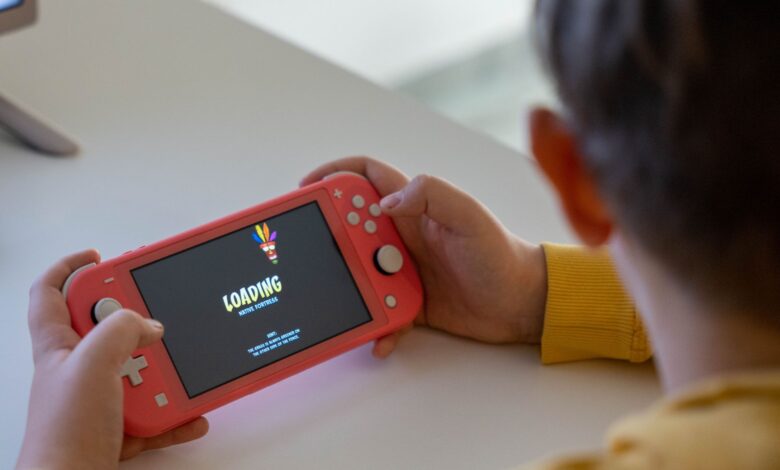
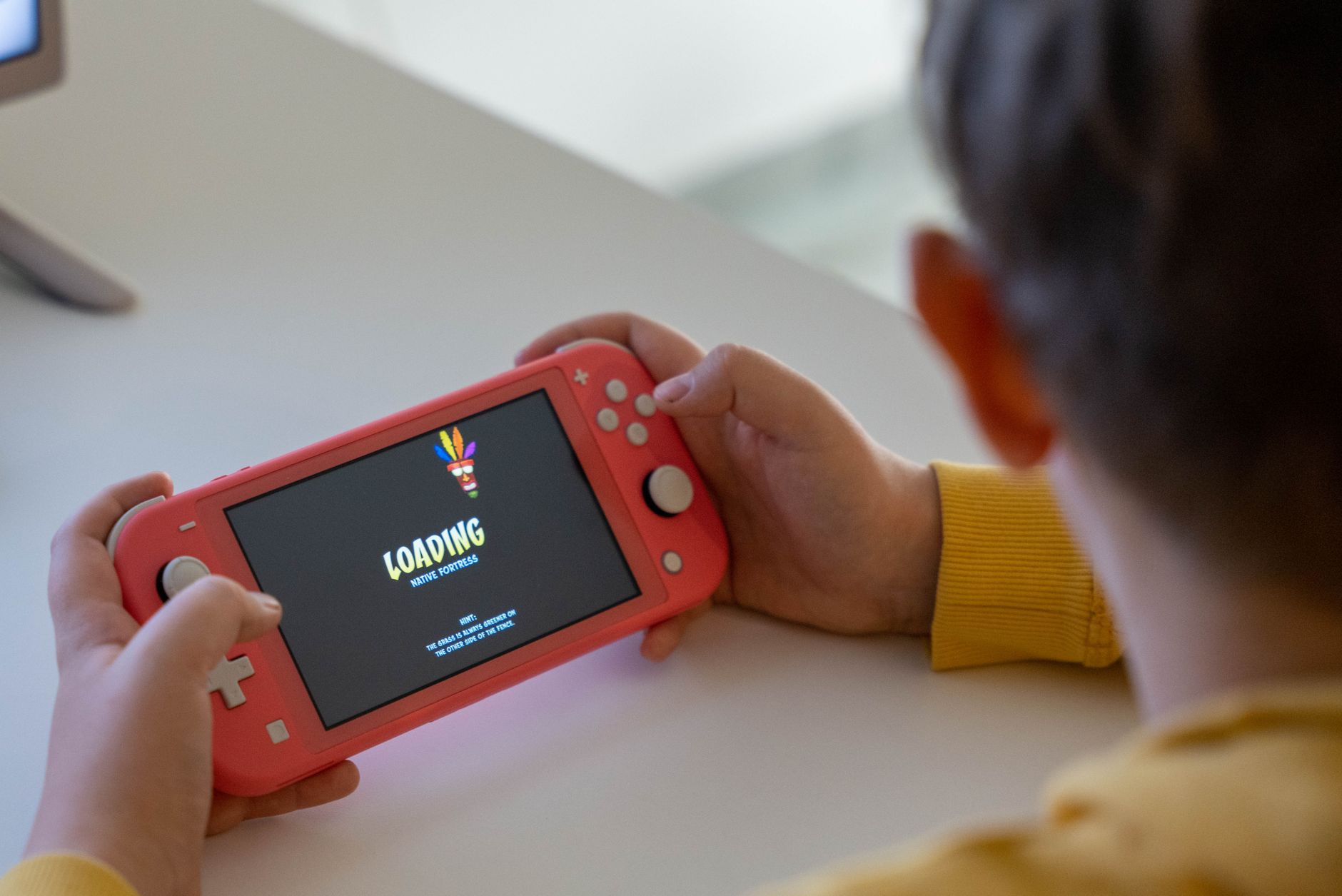
Few things irritate a PC gamer more than a restock that sells out before the checkout page loads. For months, Steam Deck OLED shoppers have lived in that loop: refresh the store page, spot a model marked available, and watch it flip back to “out of stock” by the time the cart opens.
Valve has attributed the problem to memory and storage component shortages rather than a lull in production planning or a quiet product wind-down. That explanation matters because it points to a supply chain problem outside Valve’s control, and one that will not clear up because the company wants it to. For anyone who has been waiting on a handheld, that is cold comfort.
Why the OLED Model Keeps Selling Out
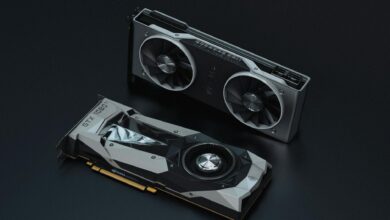
The Steam Deck OLED is built around two components that have become expensive and hard to source: fast memory and solid-state storage. The OLED model carries 16GB of LPDDR5 RAM, up from the 16GB LPDDR5 in the LCD version but running at higher speeds, and it ships with NVMe storage in 512GB and 1TB configurations. Those parts sit in the same supply pool that PC builders, phone makers and server buyers all draw from.
That pool has been squeezed in large part by the appetite of AI data centers, which absorb enormous quantities of memory and push manufacturers toward higher-margin products. A handheld priced around $549 for the 512GB model has little room to outbid a server farm. When supply tightens, a low-margin consumer device gets hit first, and Valve has no obvious lever to pull beyond waiting for shipments and releasing them in batches.
What Buyers Are Actually Running Into
The experience varies by region, which adds to the confusion. A model that shows as available in one market may be listed as unavailable in another, and Valve’s store page often gives no firm date for when stock will return. Buyers are left guessing whether a gap will last days or weeks.
There is also a sourcing wrinkle. Valve has moved away from the older LCD Steam Deck models, so the cheaper entry point that once made the hardware an easy recommendation is no longer a dependable fallback. Anyone hoping to buy a lower-priced Deck now has fewer paths, and the refurbished listings that Valve has offered in the past tend to disappear quickly.
Then come the resellers.
Whenever a popular piece of hardware becomes hard to find, third-party listings appear at inflated prices, and the Steam Deck OLED fits that pattern. Paying above retail for a device Valve sells directly is a poor deal, especially because the company’s own stock can return without warning. The practical rule for buyers is simple: if a price on a marketplace looks like it includes a “panic fee,” it does, and the official store will likely get restocked at some point.

The frustration is sharper because the Steam Deck OLED is a genuinely strong upgrade over its predecessor. The 7.4-inch HDR OLED panel, 90Hz refresh rate, larger battery and improved Wi-Fi all address long-standing complaints about the original design. Valve built a handheld that people want, then could not keep it on shelves, and the mismatch is what turns a routine supply hiccup into a story. Handheld owners who bought early are enjoying a device that newcomers cannot easily get, which also keeps the secondhand market active and prices stubborn.
Rival Handhelds Face the Same Parts Problem
It would be easy to tell shoppers to just buy something else, but the alternatives are not a clean escape. Windows-based handhelds like the ASUS ROG Ally line and Lenovo’s Legion Go depend on the same kinds of memory and storage, and they typically start at higher prices than the Deck. When component costs rise, those devices have little room to absorb them either.
Nintendo’s Switch 2 is the obvious console-side option for players who mainly want portable play, but it is a different proposition. It does not run a PC library, it does not open the door to Steam sales and mods, and it cannot replace a Deck for someone who wants to carry an existing catalog with them. Shoppers who want a Valve-style experience in a handheld have fewer direct substitutes than the market’s variety suggests.
What Valve’s Approach Means for Buyers
Valve’s wider hardware plans add another layer. The company has been pushing back into living-room PCs, and the arrival of the Steam Machine, covered in our look at how Valve’s Steam Machine launch puts console-style PCs back in focus, means more Valve devices are now competing for the same scarce parts. Every unit of memory that goes into one product is unavailable to another, so the shortage is not just a Steam Deck story.
For buyers, patience is the most useful strategy. Checking the official Steam Deck page directly, rather than relying on social media posts that are often hours old, gives the best chance of catching a real restock. Avoiding resale premiums is the other half of the advice, since the retail price is the only price Valve controls, and it is the only one that makes sense to pay.
The harder question is what happens if memory costs keep climbing. Valve has held the OLED model’s pricing steady so far, but a device built on parts that are getting more expensive does not stay at the same price forever. Whether the $549 starting point survives the next restock is something no one outside Valve can say.
Frequently Asked Questions
Why is the Steam Deck OLED out of stock?
Valve has attributed the shortages to memory and storage component supply problems. Those parts are in heavy demand across the tech industry, which limits how many handhelds can be built and shipped.
Should I buy a Steam Deck OLED from a reseller?
It is usually a bad idea, since third-party listings often add a large markup over Valve’s retail price. Checking the official Steam store for restocks is the safer option.
Do other handhelds have the same supply problem?
Windows handhelds like the ROG Ally and Legion Go use similar memory and storage components, so they are exposed to the same cost pressures. Availability and pricing vary by model and region.