
Ubisoft has finally delivered the long-awaited feudal Japan setting that Assassin’s Creed fans have been demanding for over a decade. Assassin’s Creed Shadows transports players to the Sengoku period, offering dual protagonists and refined stealth mechanics that attempt to recapture the series’ roots while embracing modern gameplay design.
The game splits its narrative between Naoe, a traditional shinobi assassin, and Yasuke, the legendary African samurai who served under Oda Nobunaga. This dual approach creates distinct gameplay experiences that feel genuinely different rather than cosmetically varied. Naoe embodies the classic Assassin’s Creed stealth experience, while Yasuke brings brute force combat that transforms encounters into full-scale battles.
Overview: A Return to Form
Assassin’s Creed Shadows represents Ubisoft’s attempt to merge the beloved stealth mechanics of earlier entries with the RPG systems introduced in Origins, Odyssey, and Valhalla. Set during Japan’s tumultuous 16th century, the game captures the political intrigue and cultural transformation of a nation caught between tradition and modernization.
The seasonal weather system deserves particular recognition. Snow affects visibility and movement patterns, rain muffles sounds but creates new hazards, and seasonal festivals alter guard rotations and crowd dynamics. These environmental factors create organic variety that keeps stealth encounters fresh throughout the 40-hour campaign.
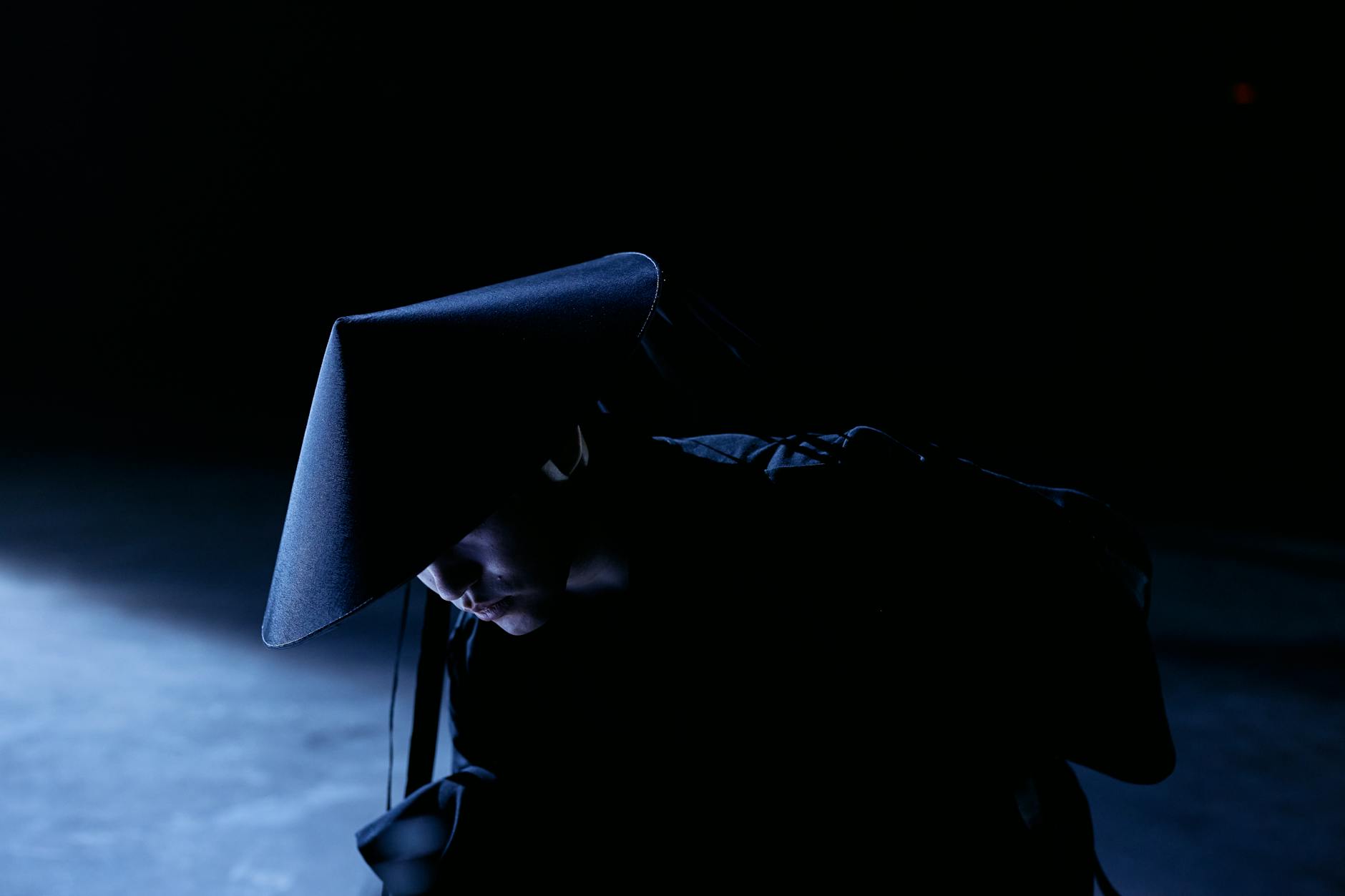
Naoe’s toolkit includes traditional ninja equipment like kunai, smoke bombs, and grappling hooks, while her movement system emphasizes verticality and concealment. Yasuke’s approach favors direct confrontation with katana combat that feels weighty and deliberate. The game succeeds in making both approaches viable and enjoyable, though some missions clearly favor one character over the other.
Pros: Stealth Mechanics Shine
The stealth system represents the strongest aspect of Shadows. Ubisoft has clearly listened to fan criticism about recent entries’ simplified approach to infiltration. Light and shadow mechanics return with meaningful gameplay impact, requiring players to study patrol routes and environmental conditions before making moves.
Sound design enhances the stealth experience significantly. Different surfaces create distinct audio cues, weather affects hearing ranges, and enemy conversations provide valuable intelligence about target locations and security measures. The audio feedback when successfully remaining undetected feels satisfying in ways the series has lacked since Unity.
Combat variety prevents repetitive encounters. Naoe’s assassination animations vary based on approach angle and environmental context, while Yasuke’s katana techniques adapt to different enemy types and armor configurations. The game rewards players who master both characters’ movesets, creating natural incentives for switching between protagonists.
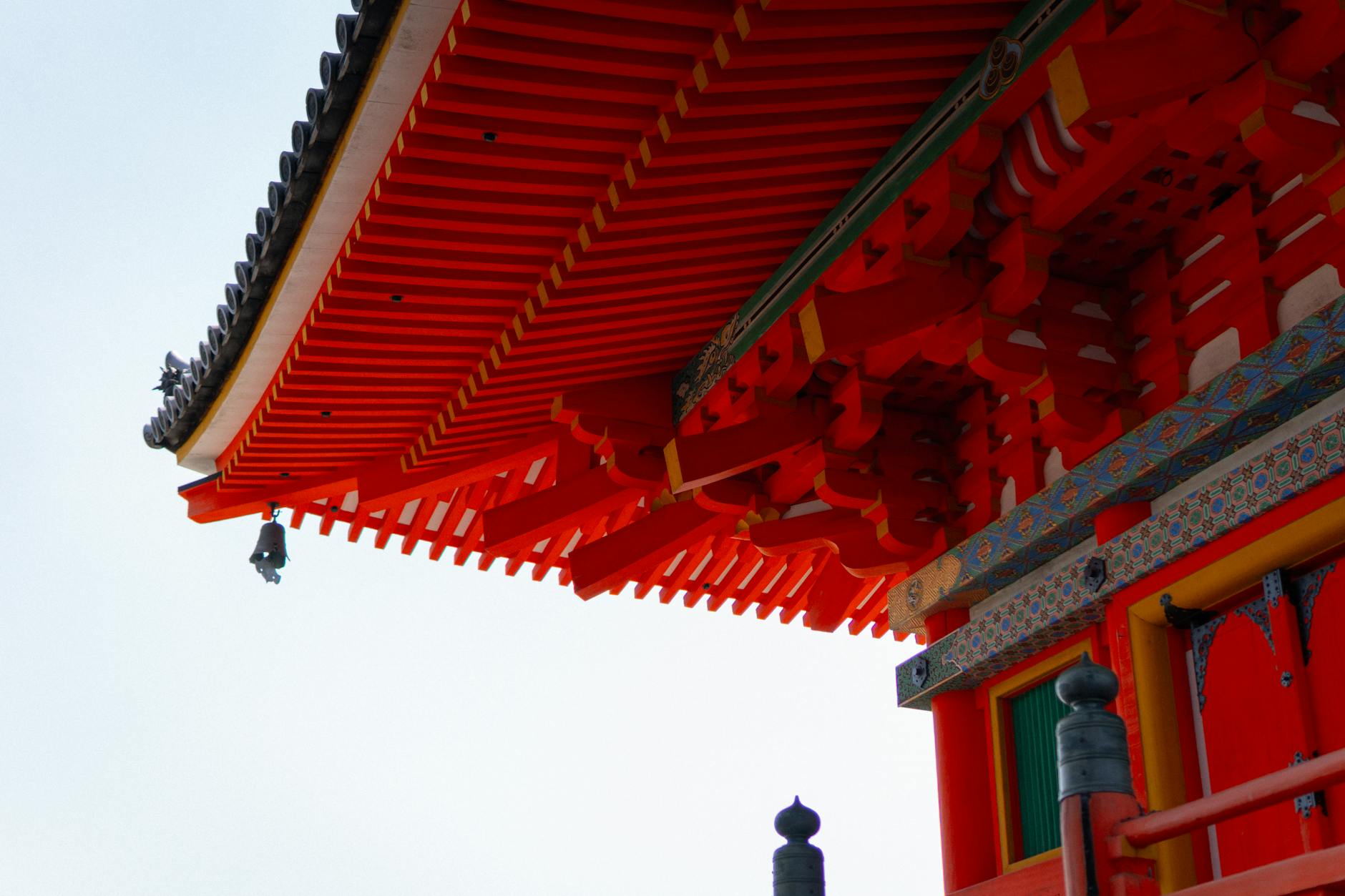
The Japanese setting delivers authentic cultural details without falling into stereotypical presentations. Architecture reflects regional variations, clothing and weapons show period-appropriate craftsmanship, and social interactions demonstrate the complex class structures of Sengoku-era society. Voice acting in Japanese with subtitles enhances immersion, though English dubbing remains available.
Mission design shows marked improvement over recent Assassin’s Creed entries. Objectives emphasize player choice in approach methods, with multiple infiltration routes and elimination strategies for most targets. The game rarely forces specific character usage, allowing players to tackle challenges with their preferred protagonist and playstyle.
Technical performance remains stable across platforms, with consistent frame rates and minimal loading times on current-generation consoles. The visual presentation captures Japan’s natural beauty effectively, from cherry blossom forests to volcanic hot springs, creating a world that invites exploration beyond main story objectives.
Cons: RPG Elements Feel Unnecessary
Despite improved stealth mechanics, Shadows still carries baggage from the series’ RPG transformation. Level-gated equipment and enemies create artificial progression barriers that conflict with the fantasy of being a skilled assassin. Encountering enemies immune to stealth kills because of level differences undermines the core fantasy.
The loot system continues to prioritize quantity over quality. Constantly replacing weapons and armor creates inventory management tedium that interrupts the flow of exploration and combat. While equipment stats matter less than in previous RPG entries, the upgrade systems still feel overly complex for what should be a focused stealth experience.
Side content varies dramatically in quality. Some optional missions provide meaningful character development and historical context, while others devolve into repetitive collection tasks or generic combat encounters. The game would benefit from fewer but more substantial side activities, similar to approaches taken in games like Baldur’s Gate 3’s carefully crafted optional content.
Pacing issues emerge during the middle sections of the campaign. Certain story beats feel stretched to accommodate the dual protagonist structure, and switching between characters sometimes interrupts narrative momentum. The game works best when both Naoe and Yasuke work together, but these collaborative moments feel too infrequent.
Open world design, while beautiful, occasionally feels empty between major locations. Fast travel becomes necessary more often than ideal, and some regions lack the density of interesting activities found in the more populated castle towns and urban centers.
Technical Considerations
Performance optimization shows significant improvement over recent Ubisoft launches. Frame rate stability remains consistent during complex scenes with multiple NPCs and particle effects. Loading times benefit from SSD optimization on PlayStation 5 and Xbox Series X, with seamless transitions between interior and exterior environments.
The photo mode includes comprehensive options for capturing the game’s visual highlights, with particular strength in lighting adjustment and seasonal filter effects. Players seeking to document their journey through feudal Japan will find robust tools for creating memorable screenshots.
Accessibility options cover visual, audio, and motor accessibility needs. Colorblind-friendly UI elements, subtitle customization, and alternative control schemes ensure broader player access to the experience.

Verdict: A Satisfying Return
Assassin’s Creed Shadows succeeds where it matters most: delivering satisfying stealth gameplay in a beautifully realized historical setting. While RPG elements still feel somewhat intrusive, the core experience captures the tension and satisfaction that made the series famous.
The dual protagonist system works better than expected, creating genuine gameplay variety without feeling gimmicky. Naoe and Yasuke offer different enough experiences to justify the narrative structure, and their individual stories complement each other effectively.
For longtime series fans disappointed by recent entries’ focus on combat over stealth, Shadows provides a welcome course correction. The game doesn’t completely abandon the RPG elements introduced in recent years, but it successfully subordinates them to the stealth experience that defines Assassin’s Creed at its best.
New players might find the historical setting more accessible than the mythology-heavy recent entries, while veterans will appreciate the return to recognizable Assassin’s Creed fundamentals. The Japanese setting feels fresh and authentic, avoiding the cultural stereotypes that could have easily derailed the experience.
Assassin’s Creed Shadows earns a solid recommendation for stealth fans and series enthusiasts alike. While not perfect, it represents a meaningful step toward recapturing what made this franchise special while maintaining enough modern conveniences to feel contemporary.
Score: 8.5/10
The game launches with strong technical performance and substantial content that should satisfy both casual players and completionists. For those seeking a stealth-focused adventure in one of history’s most fascinating periods, Assassin’s Creed Shadows delivers an experience worthy of the series’ legacy.
Frequently Asked Questions
Does Assassin’s Creed Shadows have good stealth mechanics?
Yes, the stealth system shows significant improvement with meaningful light/shadow mechanics and varied infiltration options.
Can you play as both characters in Assassin’s Creed Shadows?
Yes, you play as both Naoe the shinobi and Yasuke the samurai, each with distinct gameplay styles and abilities.