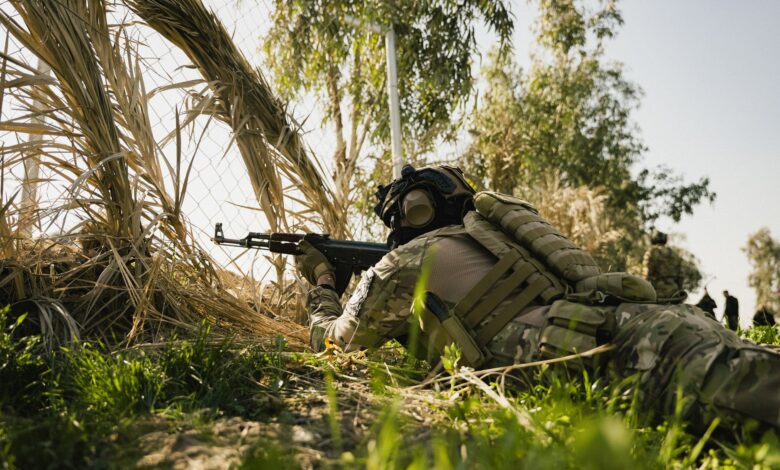
The best Battlefield matches have always come from chaos that feels earned. A tank crests a ridge, a squad pushes a flag, a building comes down at the wrong moment for someone, and the result is a story you retell. Battlefield 2042 mostly forgot how to produce those moments, and Battlefield 6 is built around getting them back.
It largely succeeds. It also brings baggage of its own, and a few design choices will split the longtime fanbase.
Overview
Battlefield 6 launched in October 2025 on PC, PlayStation 5 and Xbox Series X|S, built by the combined Battlefield Studios group that includes DICE, Ripple Effect, Criterion and Motive. The most important decision is a retreat from the 2042 model. Specialists are gone and the four-class system is back: Assault, Engineer, Support and Recon. Each class has a clear job, and squads once again have a reason to coordinate beyond sharing a voice channel.
Matches run at 64 players, down from the 128 that 2042 advertised. That smaller headcount is a deliberate trade. The maps are denser, the sightlines are shorter, and the sense of a battle front is easier to read. Conquest and Breakthrough remain the headline modes, and Rush, Domination, Team Deathmatch and King of the Hill fill out the list for players who want something shorter and louder.
The single-player campaign follows a squad in a near-future conflict between NATO and the private military company Pax Armata. It is a set-piece-driven affair in the Call of Duty mold, and it is more competent than inspired. The Portal toolset also returns for custom rulesets, and a free-to-play battle royale called REDSEC arrived after launch to extend the lifespan of the package.
Gunplay, Movement and Destruction
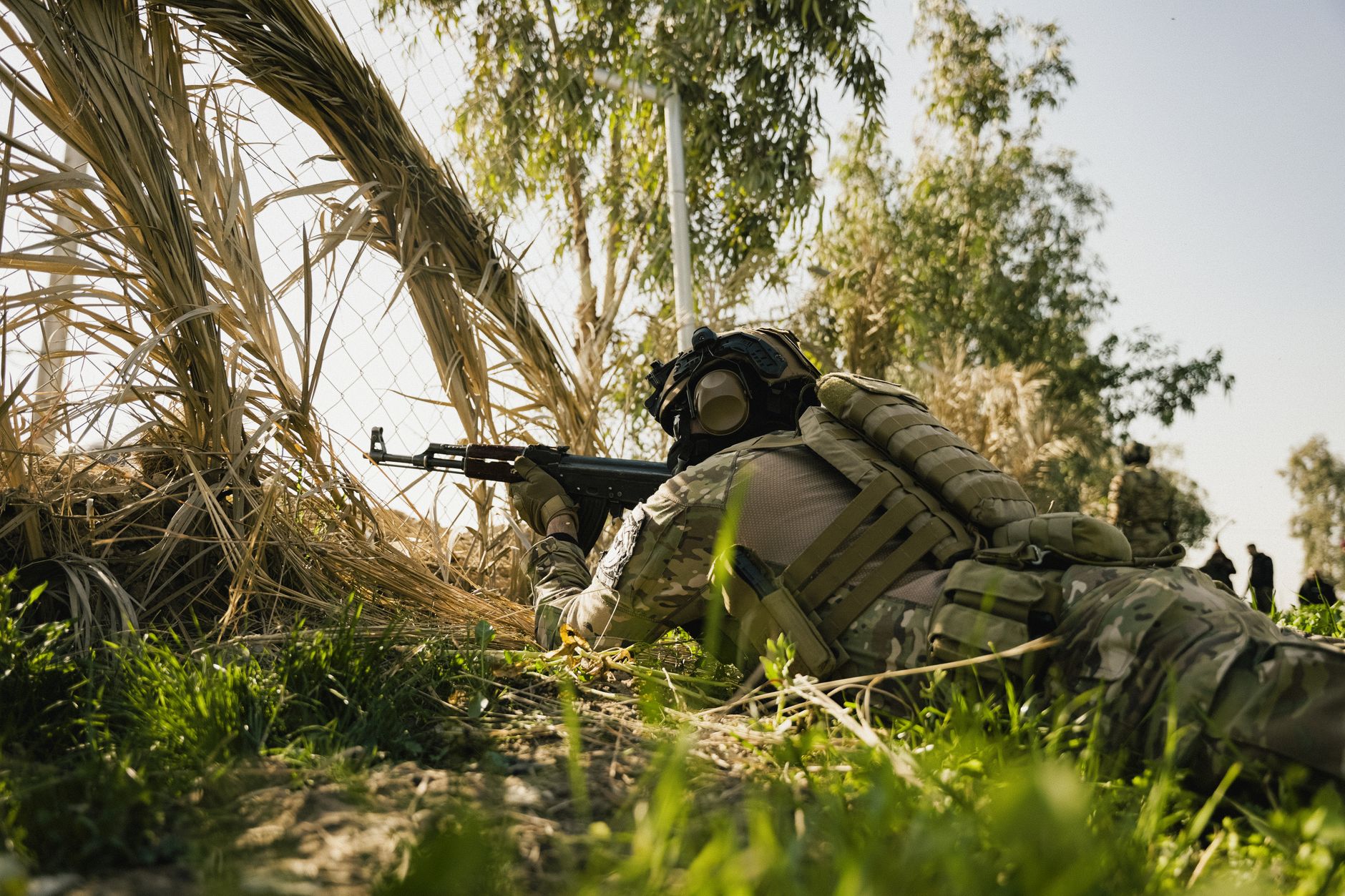
Moment-to-moment shooting is where Battlefield 6 earns its rebound. Weapons have weight, recoil patterns can be learned, and the audio design sells every shot. Suppression matters. Getting pinned by an LMG while a teammate flanks is a tactical situation again, not a nuisance, and that pays off the class design.
Movement is faster than in older entries. Sliding, vaulting, dragging a downed teammate to cover and diving into prone all give infantry combat a snappier rhythm. Veterans of the older games may find it closer to a modern shooter than they would like. Anyone coming from Call of Duty or Apex Legends will pick it up in minutes.
Then there is destruction, the franchise’s signature trick. Walls give way, facades peel off, and entire structures can collapse on certain maps. It is not an endlessly deformable sandbox, and some buildings are clearly scripted. Even so, a firefight that takes cover away from you mid-round changes how you play it, and that is what matters.
Pros
The class system gives squads a purpose
Returning to four defined roles fixes the biggest identity problem of the last game. Engineers deal with armor, Support keeps people alive and supplied, Recon spots and snipes, and Assault pushes objectives. A team that mixes them plays noticeably better than a team that does not, which is how Battlefield is supposed to work.
Strong core combat feel
Gunfights are readable and satisfying. Time-to-kill sits in a range where skill matters but a lucky flank can still win a duel. Attachment systems give weapons personality without burying players in menus.
Destruction that changes the match
The level of destruction is a clear step beyond what most competing shooters offer. It alters routes, opens new angles and punishes players who camp in one window all game.
A package with variety
- Several large-scale modes alongside quicker playlists
- Portal for custom rules and community-made experiences
- A campaign that serves as a decent tutorial for newcomers
- Cross-platform polish that feels far better than the 2042 launch
Cons
Map design pulls in two directions
Several maps lean tight and urban, which suits the infantry focus but squeezes out the vehicle play that made the franchise distinct. Tanks and helicopters can feel like they are working around the terrain instead of owning it. Players who remember sprawling battlefields may feel that the series has traded its identity for something safer.
Class restrictions and balance friction
Locking weapon types to classes keeps roles tidy but frustrates players who want to build a loadout their way. Balance between infantry and vehicles is also an ongoing negotiation, and it is the type of thing a live-service shooter patches in public over months.
A forgettable campaign
The story missions look great and play smoothly, but they borrow heavily from genre convention. Characters rarely stick in the memory. It is a fine way to spend a weekend and an easy one to skip.
PC requirements and live-service shadows
- Anti-cheat requirements such as Secure Boot will frustrate some PC players, even if the goal of cutting down on cheaters is reasonable
- Seasonal content, battle passes and cosmetics follow the standard modern model, and the pace of new maps will shape how the game feels a year from now
- Spawn behavior in smaller maps can feel erratic when a match tips in one direction

Verdict
Battlefield 6 is the best the series has felt in years. It takes the stable parts of the franchise, such as classes, squads, objective modes and tearing down buildings, and removes the experiments that alienated its audience. The result is a shooter that rewards teamwork and still produces the unscripted moments that made people care about Battlefield in the first place.
It is not flawless. The map mix leans closer to infantry combat than the series’ old identity, the campaign is generic, and the long-term health of the game depends on how EA and Battlefield Studios handle content and balance after launch. Those are real concerns, but they are the problems of a game that works, not one that is broken.
Recommendation: Buy it if you want a multiplayer shooter built around squads, objectives and environmental chaos, especially if you walked away after 2042. Wait for a sale if you play mainly for the campaign or want sprawling vehicle warfare above everything else.
The harder question is whether a tighter, more infantry-forward Battlefield can keep the vehicle fans that made the series what it was, or whether the next season of maps will have to win them back.