Power Limits and the RTX 5060 Ti’s Real-World Ceiling
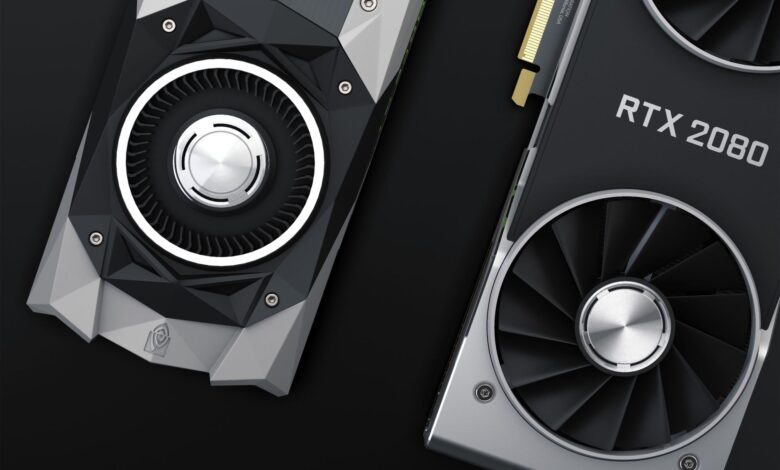
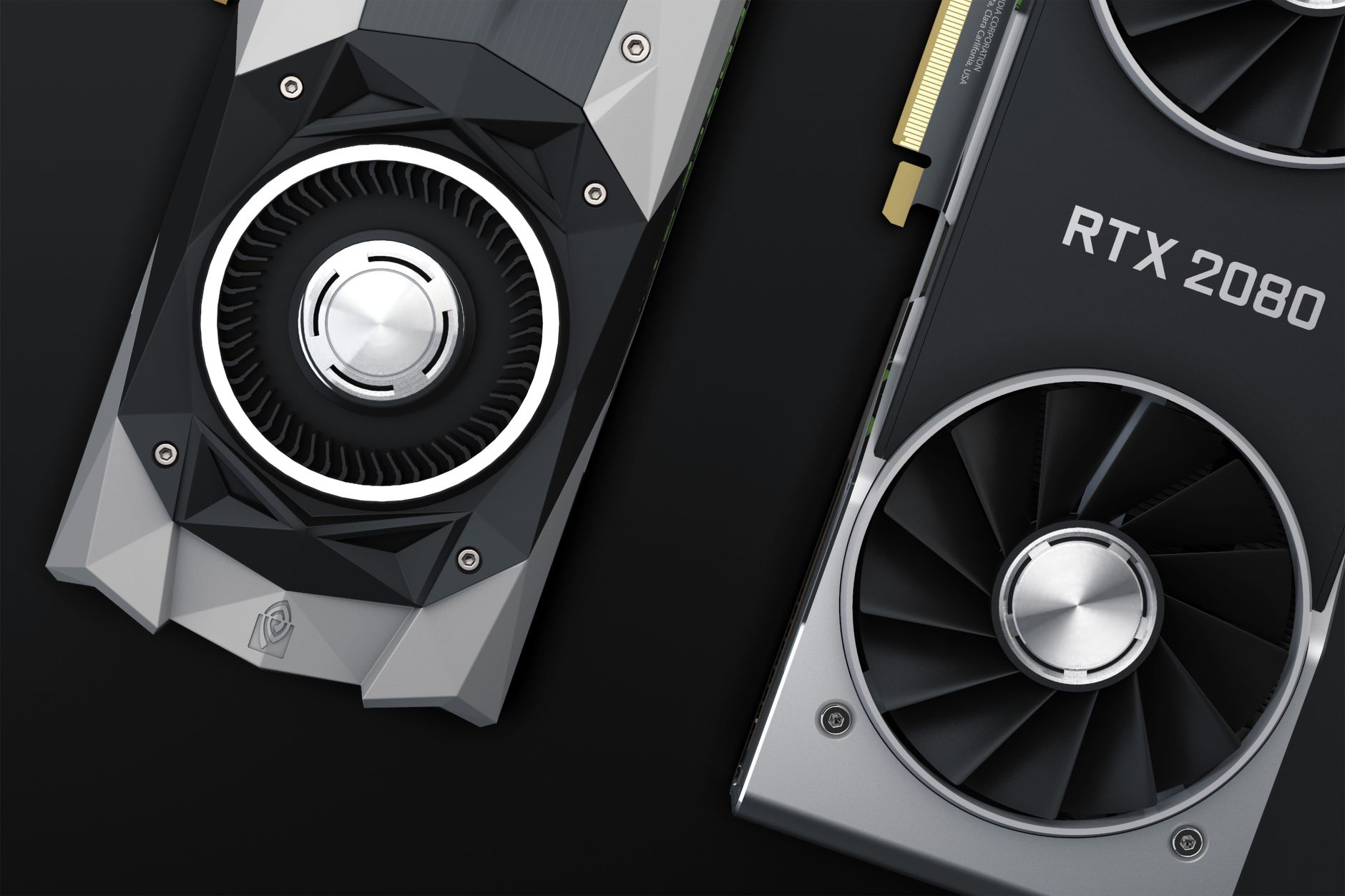
Nvidia’s GeForce RTX 5060 Ti arrives carrying a lot of expectations for the mainstream segment, and one of the first things serious buyers want to know is how it behaves when you start pushing or pulling its power limit. Early testing across multiple board partner variants has shown that the card’s default 180W TDP is not the full picture – lower-power modes and manual overclocking headroom both play a significant role in how this GPU actually performs day to day.
Stacking it against the RTX 4070 makes sense for a few reasons. The 4070 launched at 200W TDP, sits in a nearby price bracket in the used and retail market, and is still one of the more common cards in mid-range gaming rigs. Seeing how the 5060 Ti trades blows at various power states – not just at stock – reveals where each card actually lands for builders who care about efficiency as much as raw frame rates.
What the Power Limit Range Actually Looks Like
The RTX 5060 Ti uses Nvidia’s Blackwell architecture and supports a power limit range that typically spans from around 130W on the low end to approximately 220W at the upper ceiling depending on the board partner. Founders Edition and reference-spec cards tend to stay closer to the 180W default, while third-party variants from ASUS, Gigabyte, and MSI often ship with higher factory power targets or unlocked sliders in their respective software tools. That flexibility matters more than most launch coverage acknowledges.
The RTX 4070, by comparison, runs a tighter range. Its Ada Lovelace architecture was already well-optimized for its 200W window, and while you can nudge the limit up slightly through tools like MSI Afterburner, there is less headroom compared to what Blackwell allows. At stock settings the 4070 consistently delivers strong 1080p and 1440p performance, but it does not scale as aggressively when power is increased, partly because the architecture is already running efficiently close to its peak voltage curve.
At 130W – the low-power scenario most relevant to small form factor builds and quieter cooling configurations – the 5060 Ti takes a real performance hit. Across rasterization workloads in titles like Cyberpunk 2077, Black Myth: Wukong, and Alan Wake 2, frame rates at 1440p drop by roughly 15 to 20 percent compared to the default 180W target. That brings the card down to territory where the RTX 4070 at its stock 200W can pull ahead, sometimes by a margin large enough to matter for competitive settings.
Efficiency Curves and Where Blackwell Earns Its Edge
The story changes when you run both cards at their respective defaults. At 180W versus 200W, the 5060 Ti generally matches or slightly edges the 4070 in rasterized performance while consuming less power to do it. The performance-per-watt advantage is real, and it comes through most clearly in sustained gaming sessions where thermals start to matter – the 5060 Ti runs cooler under equivalent workloads, which also translates to less fan noise on equivalent cooler designs.
DLSS 4 with Multi Frame Generation is the other side of this equation. In titles that support it, the 5060 Ti’s frame output at 1440p climbs significantly even at reduced power limits, because the AI upscaling pipeline does not carry the same power cost as raw rasterization. That changes the math for anyone primarily playing in supported titles, and it means comparing raw rasterization numbers alone undersells what the newer architecture delivers in practice.
Pushing Past Default: The Overclocking Picture
When the power limit is raised to the 200-220W range on overclocked 5060 Ti variants, the card opens up noticeably. Boost clocks climb higher and sustain longer, and in GPU-bound scenarios the performance gap over the stock 4070 widens. Testing in Returnal and Hogwarts Legacy at 1440p Ultra settings showed the overclocked 5060 Ti pulling roughly 8 to 12 percent ahead of the 4070 at its stock limit, depending on the scene complexity and draw call load. That is a meaningful separation for a card that costs less at current market pricing.
What the overclocking data also reveals is how much the 5060 Ti’s performance scales linearly with power budget, more so than the 4070 did when it was new. Blackwell’s architecture appears to have more runway before hitting diminishing returns on the voltage-frequency curve, which is useful information for anyone planning to run a tuned build. You are not just recovering locked-in headroom – you are genuinely expanding what the hardware can do.
The RTX 4070 remains a strong card, and anyone who already owns one should not feel pressure to upgrade based on these numbers alone. The efficiency advantage of the 5060 Ti is real but moderate, and in GPU-limited 4K workloads the older card still holds its ground reasonably well given its mature driver support and wide game compatibility. The gap is in direction, not distance – the 5060 Ti points forward while the 4070 is stable where it stands.
For those buying new, the power limit testing data makes a specific case: the 5060 Ti at 180W is a better buy than the 4070 at 200W if efficiency and future driver support are priorities. But drop that power limit to 130W, put it in a cramped case with limited airflow, and the advantage shrinks fast. Build environment matters here as much as the GPU spec sheet, and that is worth factoring in before pulling the trigger on a small form factor rig where the 5060 Ti cannot stretch its legs.
One detail that does not show up in headline benchmark slides: the 5060 Ti at 220W in a well-cooled mid-tower runs louder than the 4070 at stock in most third-party cooler configurations tested. The extra headroom costs something, and for a secondary monitor gaming setup where fan acoustics matter, that trade-off is not always worth it.