Pushing Arrow Lake Past Its Defaults
The Intel Core Ultra 9 285K launched in late 2024 to a complicated reception. Performance in gaming was respectable but not the leap enthusiasts expected, and power draw at stock settings left the processor running hotter than many builders anticipated. By early 2025, the undervolting community had already started chipping away at that thermal ceiling, and by 2026 those findings have matured into something worth taking seriously for anyone running this chip in a high-end gaming rig.
Undervolting the 285K is not a simple plug-and-play process. Arrow Lake’s hybrid architecture, which mixes P-cores and E-cores on separate tiles, responds differently to voltage offsets than previous Intel generations did. What worked cleanly on a 13th or 14th gen chip can produce instability or performance regressions on the 285K if you apply the same logic without accounting for the tile separation. The learning curve is real, and the stability testing process requires more patience than many guides admit upfront.
What the Chip Architecture Changes
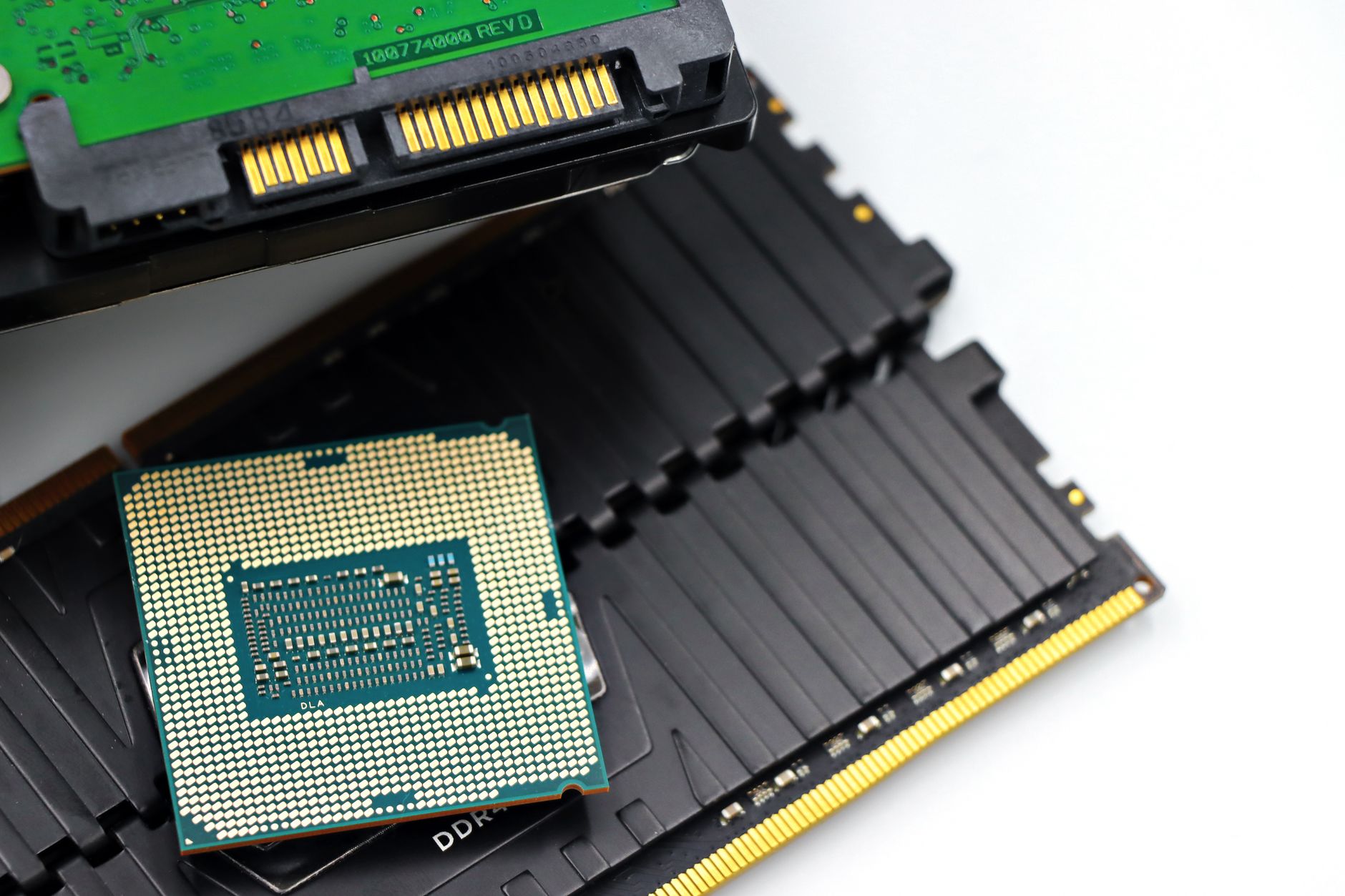
Arrow Lake moved Intel away from the monolithic die design that defined Raptor Lake. The 285K separates its compute tile from the SoC tile, and that physical separation matters when you are applying voltage offsets. The P-cores and E-cores do not share the same voltage domain in the same way they did on previous architectures, which means a negative offset applied across the board can destabilize the system even if individual domains look clean on paper.
Intel’s own XTU software and third-party tools like ThrottleStop both allow per-domain adjustments on Arrow Lake, but the granularity available in 2026 is more refined than what launched alongside the chip. Updated microcode revisions through 2025 improved BIOS-level voltage control on major motherboard platforms, particularly Z890 boards, and that matters because early 285K undervolts were often fighting against firmware limitations as much as silicon variance.
One additional complication is that the 285K ships without Hyper-Threading on its P-cores, a decision Intel made to reduce latency in the core-to-core communication path. That architectural choice affects how stress testing tools evaluate stability. Programs like Prime95 and Cinebench R24 load the chip differently than they would on a 14th gen processor, and passing a standard torture test on the 285K does not guarantee the same stability margins that test would indicate on a Raptor Lake chip.
Testing Stability in 2026
The testing methodology that has become standard among Arrow Lake overclockers in 2026 combines several workloads rather than relying on any single stress test. A typical stability validation pass runs Cinebench R24 for multi-core consistency, Y-Cruncher for floating-point stress, and then a two-hour gaming session in a demanding title like Cyberpunk 2077 with path tracing enabled. The gaming portion catches voltage-related instability that synthetic tests sometimes miss because the load patterns are more irregular and the frequency transitions happen more frequently during real gameplay.
On P-core voltage offsets, the community-tested sweet spot for a healthy 285K sample has converged around -50mV to -80mV as a starting point, with some silicon lottery winners pushing to -100mV without issue. The E-cores tend to tolerate slightly less aggressive offsets, and the ring bus voltage is one area where being conservative pays off because instability there tends to produce hard crashes rather than the gradual errors that are easier to diagnose. Starting at -20mV on the ring and only moving lower after the primary domains are validated is an approach that has proven reliable across a range of Z890 platforms.
Thermal results from a well-dialed 285K undervolt are genuinely meaningful. At stock settings with PL1 and PL2 left at their defaults, the chip commonly hits 95 to 100 degrees Celsius under a sustained Cinebench run even with a 360mm AIO cooler. A validated undervolt in the -60mV range on the P-cores can pull that ceiling down to the low 80s under the same workload without any performance loss, and in some cases with a small performance gain because the chip is less likely to throttle. Power draw at the wall drops noticeably too, typically 20 to 30 watts lower under multi-core load depending on the specific offset and the board’s power limit implementation.
Gaming performance tells a slightly different story. The 285K was never a chip that ran hot during gaming the way it did under sustained all-core workloads, so the gaming temperature improvement from undervolting is less dramatic. Where the undervolt earns its value in a gaming context is in the chips that are borderline unstable at stock in specific game engines or at specific resolutions. Some 285K owners reported sporadic crashes in CPU-intensive games before undervolting that disappeared after a validated negative offset was applied, which points to a stability floor issue rather than a pure thermal one. That behavior makes sense given Arrow Lake’s microcode history through 2025, when several BIOS updates addressed voltage rail behavior under transient loads.

What It Means for Gaming Rigs Today
For builders running the 285K as the heart of a serious gaming PC in 2026, the question is not whether undervolting is worth trying but whether your workflow and board support make the process accessible. Most Z890 motherboards from major manufacturers now ship with BIOS versions that provide stable, granular voltage offset controls, and the process is far less opaque than it was at the chip’s launch. If you are pairing the 285K with a high-end GPU and running in a mid-tower or smaller case where thermals are already tight, the temperature reduction alone justifies spending an afternoon on the process.
The 285K’s gaming performance sitting alongside something like the AMD Ryzen 7 9800X3D in thermally constrained builds remains a study in trade-offs. The Intel chip offers stronger multi-threaded throughput and better performance in workloads that mix gaming with content creation, but the 9800X3D’s 3D V-Cache advantage in pure gaming frame rates is real. Undervolting the 285K does not close that specific gap, but it does make the chip more competitive in the scenarios where its thermal budget was previously limiting its own ceiling.
The more interesting finding from 2026 testing is how much variance still exists between individual 285K units. Two chips from the same production batch can show meaningfully different stability thresholds at the same negative offset, which is not a new phenomenon in overclocking but is more pronounced here than on recent AMD counterparts. That variance is why any published undervolt value should be treated as a starting point rather than a target. The chip that hits -90mV stable on a reviewer’s bench may not be your chip.