Two Towers, One Question
The Noctua NH-D15 G2 and the Thermalright Phantom Spirit 120 sit at opposite ends of the pricing spectrum, yet they both compete for the same crown: best air cooler for high-performance desktop builds. Noctua’s updated dual-tower flagship launched in 2024 and carried a price tag that made even devoted fans pause, while Thermalright’s Phantom Spirit 120 undercuts it significantly while promising comparable thermal performance. That gap raises a straightforward question worth answering with actual numbers.
Testing was conducted on an AMD Ryzen 9 7950X running at stock settings and with a modest all-core boost, seated in a mid-tower case with reasonable airflow, representing the kind of real-world build these coolers are actually purchased for. Both units were mounted with their included thermal paste according to manufacturer instructions, and fan configurations were kept consistent where possible – single fan versus single fan, dual fan versus dual fan.
Physical Build and Installation
The NH-D15 G2 is a substantial piece of hardware. It stands 168mm tall in its standard configuration, weighs just over 1.5kg with fans installed, and requires deliberate case planning before purchase. Noctua has updated the base plate geometry on the G2 revision to improve contact across different CPU IHS profiles, which matters on modern Ryzen chips where the IHS can be slightly crowned. The SecuFirm2+ mounting system is familiar, reliable, and genuinely tool-friendly once you have done it once. The NF-A15x25 PWM fans run at up to 1500 RPM and cover the heatsink with consistent static pressure.
The Thermalright Phantom Spirit 120 SE, for its part, ships with two TL-C12 Pro fans and a mounting system that has become notably easier to navigate over recent Thermalright generations. The tower itself is compact enough to clear most tall RAM without requiring fan repositioning, which has historically been a friction point with wider dual-fan setups. Build quality on the fins and heat pipes is solid, with no visible gaps or alignment issues out of the box. It does not have the machined premium feel of the Noctua, but nothing about it suggests cutting corners.
Thermal Performance Under Load
Under a sustained Cinebench R23 multi-core loop running for 20 minutes, the NH-D15 G2 held the Ryzen 9 7950X to a peak package temperature of approximately 78 degrees Celsius with both fans installed at maximum RPM. The Phantom Spirit 120 SE reached a peak of around 83 degrees in the same conditions. That is a five-degree difference, which sounds minor in isolation but becomes more meaningful when pushing a chip closer to its thermal limits or running workloads that sustain full all-core loads for extended periods like video rendering or large compilation tasks.
Gaming loads tell a slightly different story. Because most games do not sustain full all-core utilization, the gap between the two coolers narrows considerably. Running Cyberpunk 2077 at high settings with RT enabled, the Phantom Spirit 120 tracked within two to three degrees of the NH-D15 G2 consistently. For anyone building primarily a gaming machine rather than a workstation, that gap becomes very hard to justify paying a premium for.
Noise output is where Thermalright earns serious credit. The TL-C12 Pro fans are genuinely quiet at mid-range RPM, and the Phantom Spirit 120 SE reaches adequate cooling performance well before hitting fan speeds where noise becomes intrusive. The Noctua NF-A15x25 fans are exceptional – smooth, low-vibration, and consistent – but they are moving more air across a larger fin array, which means at maximum RPM the NH-D15 G2 is perceptibly louder. Both coolers are inaudible at idle. The difference only shows under sustained load.
One area where the NH-D15 G2 has a clear structural advantage is thermal headroom. If you are running a chip like the Core Ultra 9 285K or a fully unlocked Ryzen 9 configuration – the kind of processor comparisons we covered in our Ryzen 9 9950X3D vs Core Ultra 9 285K content creation analysis – the larger fin stack and dual fan coverage give the NH-D15 G2 more room before temperatures spiral. The Phantom Spirit 120 will throttle before the NH-D15 G2 does on genuinely extreme workloads.
Compatibility and Clearance
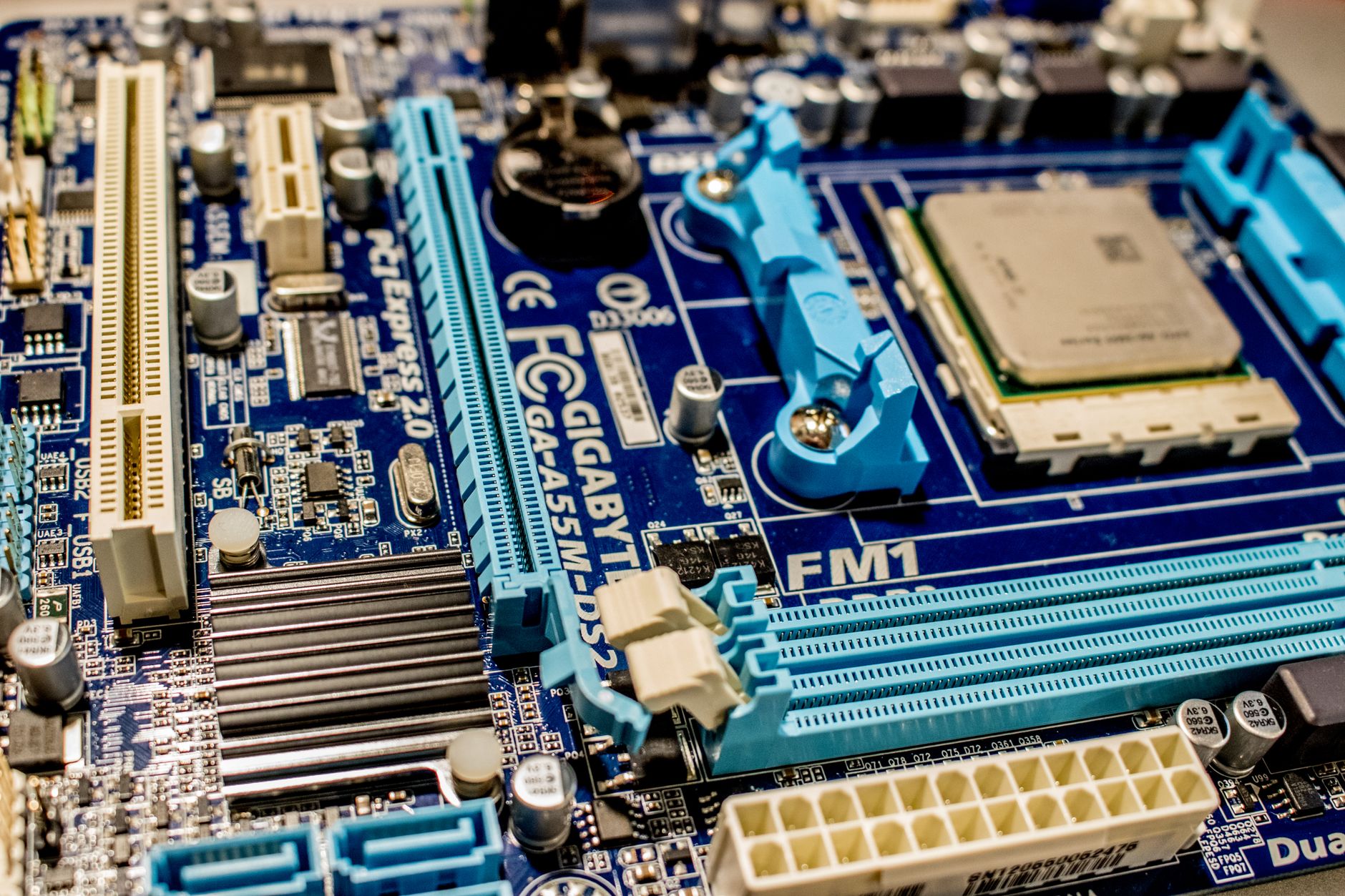
RAM clearance is a real-world concern with both coolers, not just a spec sheet footnote. The NH-D15 G2 ships with an asymmetric fan configuration designed to provide clearance over the first DIMM slot, but tall RGB RAM with heat spreaders above 40mm can still interfere depending on your specific motherboard layout. Noctua provides alternative fan mounting positions in the box, which helps. The Phantom Spirit 120 SE has a narrower profile at the bottom of the tower and in practice clears most retail DDR5 kits without modification.
Case compatibility also favors the Phantom Spirit 120 SE. The NH-D15 G2’s 168mm height requirement rules out a meaningful number of mid-tower cases, particularly more compact mATX builds. The Phantom Spirit 120 SE at 157mm fits in a wider range of enclosures, which is a practical advantage for builders who are not starting from scratch or who have an existing case they want to keep.
Price vs. Performance Reality
The NH-D15 G2 retails at launch pricing of around $110 to $120 USD depending on the variant and retailer. The Thermalright Phantom Spirit 120 SE typically sells for $40 to $50 USD. For that price difference, you are buying roughly five degrees of additional thermal headroom under maximum sustained load, better noise floor consistency at peak output, and Noctua’s long-term support infrastructure – including replacement fan availability and mounting hardware that remains compatible across socket generations.
That said, the math works differently depending on what you are building. A dedicated gaming PC running a mid-to-high-end CPU at stock settings will not extract meaningful benefit from the Noctua in day-to-day use. The Phantom Spirit 120 SE handles those workloads with room to spare. The NH-D15 G2 justifies itself specifically for workstation-style builds, content creators running sustained heavy loads, or overclockers who want maximum thermal margin as a baseline.
The Phantom Spirit 120 SE does something specific and useful: it resets the expectation of what a budget air cooler should deliver. At its price point, it performs like a cooler that should cost significantly more, and for the overwhelming majority of gaming rigs it is the practical choice. The NH-D15 G2 remains the reference for anyone who actually needs what it offers – but that group is smaller than Noctua’s marketing might suggest, and paying a $70 premium for five degrees of headroom you may never use requires an honest conversation with yourself about what your build actually demands.