Multi Frame Generation Changes What Midrange Performance Looks Like
Nvidia’s DLSS 4 Multi Frame Generation does something that earlier versions of DLSS never quite managed: it makes a midrange GPU feel like a different class of hardware entirely. Where DLSS 3 Frame Generation could insert one AI-generated frame between rendered frames, DLSS 4 pushes that to three generated frames per one natively rendered frame – a 4x multiplier on the output framerate before you even account for upscaling. On paper, that sounds absurd. On the RTX 5070, it turns out to be mostly real.
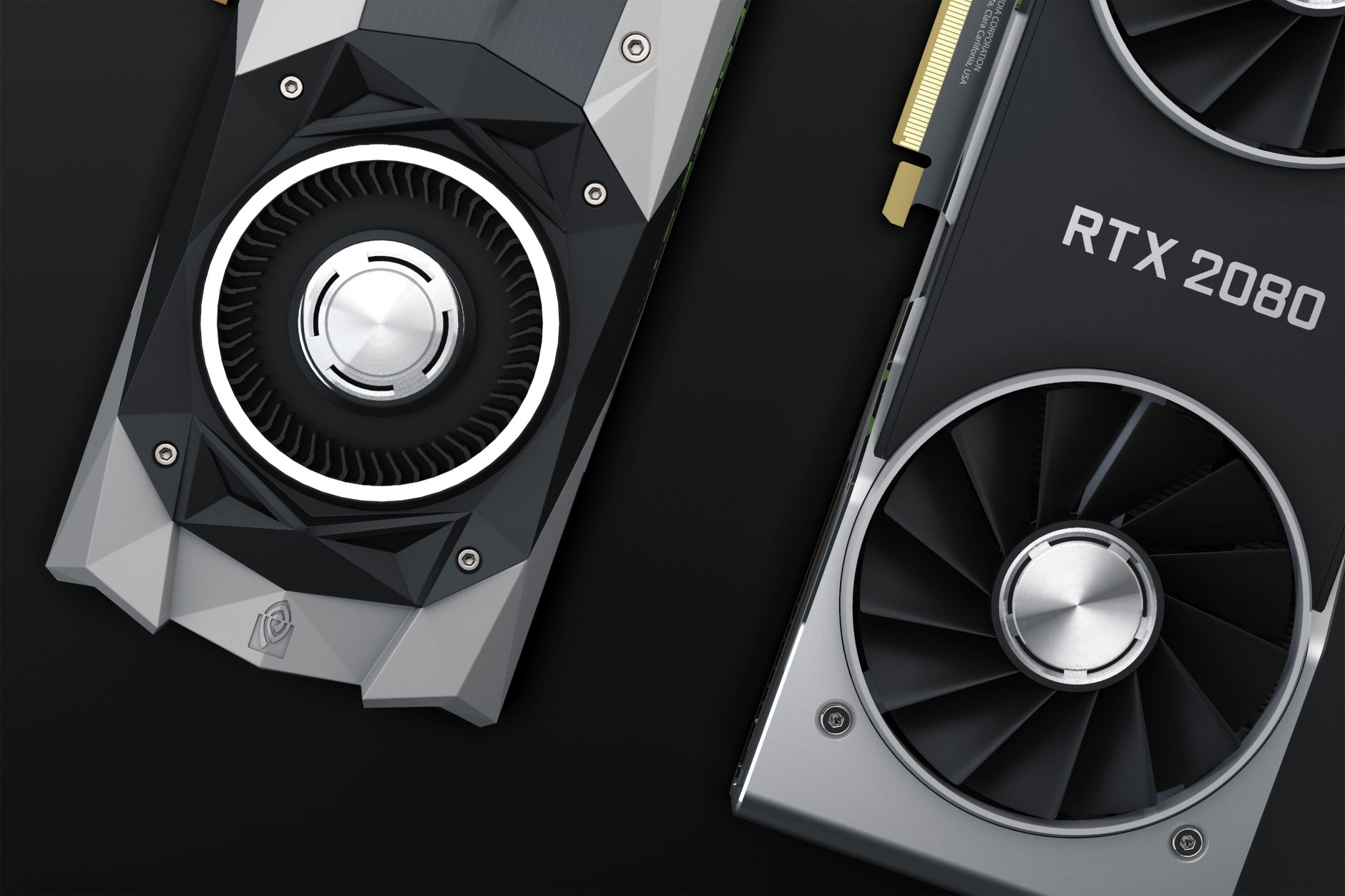
The RTX 5070 launched at $549, positioning it as the sweet spot for 1440p and entry-level 4K gaming. It carries 12GB of GDDR7 memory across a 192-bit bus, with 48 Shader Multiprocessors and fourth-generation Tensor Cores that handle DLSS inference workloads faster than the 4090 could manage them. Multi Frame Generation was the headline feature at launch, and after extended testing across multiple titles and resolutions, the performance picture is both impressive and genuinely complicated.
How the Testing Was Structured
Testing covered five titles at 1440p and 4K: Cyberpunk 2077, Alan Wake 2, Black Myth: Wukong, Microsoft Flight Simulator 2024, and Hogwarts Legacy. Each was benchmarked in three configurations – native rendering with no upscaling, DLSS 4 Quality mode with standard Frame Generation, and DLSS 4 Quality mode with Multi Frame Generation enabled. Frame times were captured alongside raw framerate numbers because with generated frames in the pipeline, average FPS alone tells an incomplete story.
The test system paired the RTX 5070 with an Intel Core i9-14900K, 32GB of DDR5-6400, and games installed on a PCIe 5.0 SSD. G-Sync was active throughout. Nvidia Reflex was enabled in every title that supported it, which is essential context – without Reflex, latency with Multi Frame Generation enabled would be far worse than what the numbers here reflect. This is not a cherry-picked configuration; it is how most buyers running this card will actually use it.
The Framerates Are Real – With Caveats
In Cyberpunk 2077 at 4K with RT Overdrive enabled, the RTX 5070 running native rendering averaged around 28 FPS – playable for no one. DLSS 4 Quality with standard Frame Generation brought that to roughly 62 FPS. With Multi Frame Generation active, the displayed framerate hit 118 FPS. That is not a typo. The GPU is rendering approximately 29 frames per second and the display is showing 118. The image quality holds up better than it has any right to, and motion during slower camera pans looks genuinely clean.
Alan Wake 2 at 1440p with path tracing showed similar scaling. Native rendering sat at 41 FPS, standard Frame Generation pushed it to 84, and Multi Frame Generation landed at 161 FPS. Black Myth: Wukong, which has historically been brutal on midrange hardware even without ray tracing, went from 54 FPS native at 1440p to 213 FPS with Multi Frame Generation – a number that makes the GPU utilization graph look almost comical, hovering well below 90 percent despite triple-digit output.
The caveats are real, though. Fast camera movement and high-velocity action sequences are where generated frames show their limitations most clearly. In combat-heavy sections of Black Myth, peripheral motion during rapid turns carries a subtle but noticeable smearing artifact. It is not the ghosting that plagued early DLSS 2 implementations, but it is there if you are looking for it. Hogwarts Legacy, with its frequent spell effects and fast broom sequences, also showed occasional frame consistency issues during extreme transitions – moments where the AI clearly misread the motion vector data.
Latency is the other honest conversation. With Reflex enabled in Cyberpunk 2077 at 4K, Multi Frame Generation measured system latency at roughly 55ms in GPU-bound scenarios. That is higher than native rendering’s 34ms in the same scene. For single-player narrative games, 55ms is completely manageable. For competitive shooters or fast-twitch action, it is a real trade-off that no amount of framerate inflation papers over. Nvidia has been upfront about this, and Reflex does meaningful work here, but buyers should know what they are accepting.
Image Quality at the Core
What separates DLSS 4 from its predecessors is the transformer-based AI model replacing the older convolutional neural network architecture. The practical result at Quality mode is that fine detail – hair, foliage edges, distant text, chain-link fences – holds together better during motion than DLSS 3 managed. Static screenshots between native and DLSS 4 Quality at 1440p are genuinely difficult to distinguish in most scenes. The improvement over DLSS 3 is not dramatic in still frames, but in motion it is consistent and meaningful. For a direct comparison of how DLSS 4 holds up against AMD’s competing solution, the AMD FSR 4 upscaling tested against DLSS 4 on midrange GPUs breakdown covers that ground in detail.
The generated frames themselves are where the transformer model earns its keep. Earlier Frame Generation could produce obvious artifacts during rapid UI transitions or when particles moved unpredictably. DLSS 4 handles HUD elements and particle effects significantly better, largely because the model was trained with those edge cases in mind. In Microsoft Flight Simulator 2024, cockpit glass reflections and cloud rendering – two areas that historically broke older upscalers – look stable and coherent even at 4x generation rates.
Who Actually Benefits From This Card
The RTX 5070 with Multi Frame Generation is not a card for competitive multiplayer at 240Hz. It is a card for 4K single-player gaming on a $549 budget, and in that specific use case it does something no previous midrange GPU managed convincingly. Cyberpunk 2077 at 4K with full ray tracing, running at over 100 FPS, was not achievable on this class of GPU twelve months ago without serious visual compromises. The math only works because Nvidia is generating most of what you see, but the output is good enough that most players will not care about the method.
The more interesting question is sustainability. Multi Frame Generation requires a game to explicitly support DLSS 4, and while the supported title list is growing steadily, it is not universal. Microsoft Flight Simulator 2024 and Cyberpunk 2077 support it natively. Some older titles in the test pool required Nvidia’s app-level override to enable Multi Frame Generation, and in those cases stability was less consistent – two crashes during extended Black Myth sessions with the override active versus zero with native DLSS 4 support. Nvidia has been expanding game support through driver-level updates, but the feature is still dependent on adoption in a way that makes it feel provisional on some titles.
At $549, the RTX 5070 is priced against a market where AMD’s RX 9070 XT offers native rasterization performance that sits close to this card without Multi Frame Generation, and closer still in titles where DLSS 4 support is absent. The RTX 5070’s advantage is almost entirely contingent on that one feature working in the games you play. In Alan Wake 2, Cyberpunk 2077, and supported titles, the performance argument is overwhelming. In older or unsupported titles, the gap between this card and AMD’s alternative narrows considerably – and that tension is not going away as long as FSR 4 continues to expand its own compatibility footprint.