AMD vs Nvidia’s Mid-Range Battle Gets Real
AMD’s Radeon RX 9060 XT has arrived to challenge Nvidia’s RTX 5060 Ti directly in the $300-$400 segment, and rasterization performance – not ray tracing, not AI upscaling – is where the real fight plays out for most PC gamers running games at 1080p and 1440p.

What Each Card Brings to the Rasterization Table
The RX 9060 XT launches on AMD’s RDNA 4 architecture, the same foundation that powered the RX 9070 XT to surprisingly strong results against cards well above its price tier. RDNA 4 brought substantial improvements to shader throughput and memory bandwidth efficiency, and AMD is leaning on those gains to position the 9060 XT as a direct answer to Nvidia’s latest 50-series mid-range offering. The card ships with 16GB of GDDR6 memory on a 128-bit bus, with the memory capacity being a deliberate talking point against Nvidia’s more controversial memory configurations.
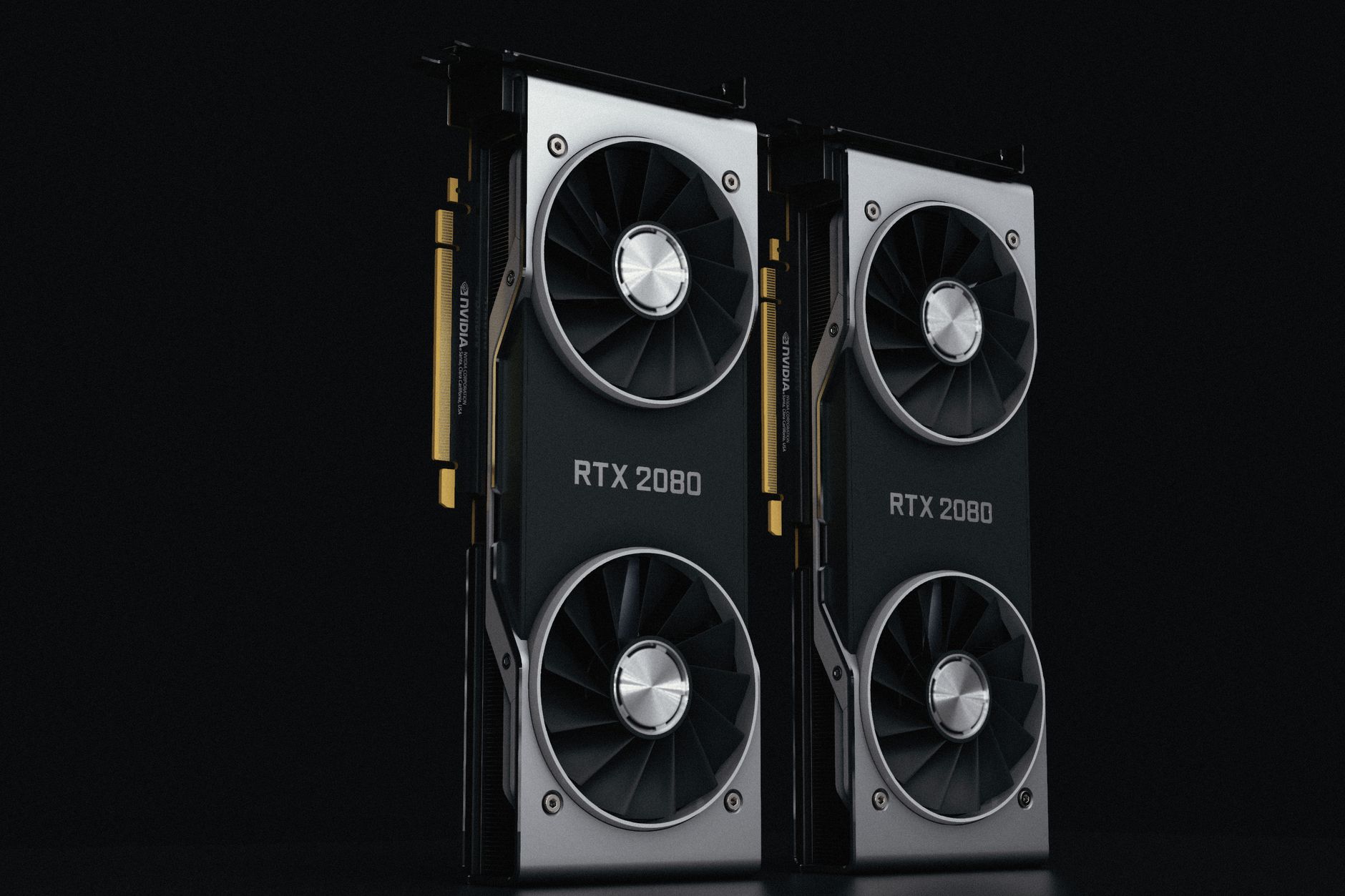
Nvidia’s RTX 5060 Ti runs on the Blackwell architecture, carrying 8GB or 16GB GDDR7 variants depending on which SKU you buy. The 16GB version commands a higher price premium, and Nvidia’s decision to offer an 8GB version at the base price drew criticism from a community that has watched VRAM requirements climb steadily across modern titles. On raw compute, the RTX 5060 Ti has solid shader counts and benefits from Blackwell’s improved per-watt efficiency, but its rasterization story gets complicated by pricing and availability.
Rasterization benchmarks strip away DLSS, FSR, and ray tracing enhancements to show what each GPU can actually do with traditional rendering workloads. This matters because a large portion of PC gaming still happens in titles that either don’t support advanced upscaling or are played with those features turned off for competitive reasons. Games like Counter-Strike 2, Baldur’s Gate 3, Cyberpunk 2077 in rasterization-only mode, and older titles with massive player bases all fall into this category.
Early benchmark data circulating from hardware reviewers places the two cards within a narrow band of each other at 1080p, with the RTX 5060 Ti holding a modest lead in several Nvidia-optimized titles. At 1440p, the gap narrows further, and in some memory-intensive scenarios the RX 9060 XT’s 16GB configuration allows it to maintain frame rates that the 8GB RTX 5060 Ti variant visibly struggles to match. The 16GB vs 16GB comparison is closer, though Nvidia’s GDDR7 does provide real bandwidth advantages in specific workloads.
Title-by-Title Performance and Where the Gaps Appear
In Cyberpunk 2077 with ray tracing disabled, running at 1440p ultra settings, the RTX 5060 Ti 16GB and RX 9060 XT trade blows closely, with the Nvidia card typically landing 3-6% higher average framerates in most tested scenes. That is not a margin most players will feel during actual play. Where the 8GB RTX 5060 Ti runs into trouble is in Night City’s most texture-heavy districts, where VRAM pressure pushes the card into stuttering that the 9060 XT avoids cleanly.
Alan Wake 2 is another instructive case. Even with ray tracing disabled, the game has high base VRAM demands, and at 1440p ultra the 8GB configuration regularly drops below 60fps in ways the 16GB cards from both AMD and Nvidia do not. The RX 9060 XT handles this well, and RDNA 4’s improved texture streaming behavior helps maintain smoother frametimes compared to previous AMD generations that sometimes showed average framerates that looked good on paper but felt rough in motion.
Counter-Strike 2 and high-refresh competitive gaming is a different story. At 1080p maximum settings, the RTX 5060 Ti consistently posts higher average and 1% low framerates than the RX 9060 XT, sometimes by margins of 10-15% in demanding situations. Nvidia’s driver maturity and optimization work for competitive shooters remains a real advantage, and players who primarily game in this genre and care about pushing past 240fps will notice the difference. This has been a consistent Nvidia edge across mid-range tiers for several generations.
In Total War: Warhammer III, the RX 9060 XT pulls ahead, a pattern that has appeared consistently in AMD-friendly titles and strategy games with high geometry complexity. Forspoken, which uses AMD’s FidelityFX technology prominently, also favors the 9060 XT. These are not obscure edge cases – they represent real segments of the PC gaming audience, and AMD clearly targeted them when building out RDNA 4’s rendering pipeline. Those interested in how the higher-end cards compare at 4K can find context in the RTX 5070 vs RX 9070 XT breakdown, where AMD’s architectural strengths show up similarly across the stack.
Power consumption during rasterization workloads is worth noting here. The RX 9060 XT draws more watts under full rasterization load than the RTX 5060 Ti, which benefits from Blackwell’s efficiency improvements. In a sustained gaming session the difference is not dramatic, but it does mean Nvidia holds a small thermal and electricity cost advantage for users in hot climates or those running smaller form factor builds with limited airflow. AMD partially closes this gap in lighter workloads, but peak rasterization is not where RDNA 4 shines on efficiency.
Pricing Reality and Who Should Buy What
The RX 9060 XT launches at a price point that undercuts the RTX 5060 Ti 16GB version by a meaningful margin in most markets, and that context reshapes the rasterization gap entirely. If you are getting 95% of the performance for less money, the 3-5% rasterization advantage Nvidia holds in many titles becomes hard to justify financially. The 8GB RTX 5060 Ti muddies the comparison further because its VRAM limitations create real performance cliffs in 2025 titles that the 9060 XT simply does not hit.
For buyers focused purely on rasterization who play Nvidia-optimized competitive games heavily, the RTX 5060 Ti 16GB is the better card if you can find it at MSRP. For everyone else running a mixed library of modern single-player titles at 1440p, the RX 9060 XT delivers equivalent or better real-world performance at a lower price – and the 16GB buffer means it will stay relevant longer as game memory demands increase. The question AMD cannot fully answer yet is whether its driver team can close the gap in competitive shooters, where Nvidia’s optimization pipeline has spent years ahead of the competition.