Two Different Price Points, One Resolution
AMD’s Radeon RX 9070 XT launched at $599, while NVIDIA’s RTX 5070 Ti carries a $749 MSRP – a $150 gap that matters enormously when both cards are being recommended to 1440p gamers. The rasterization numbers at that resolution tell a specific story about value, thermal behavior, and where each GPU actually earns its price tag.

Setting Up the Comparison
Testing was conducted at 2560×1440 across a range of titles spanning different engines and workloads: Cyberpunk 2077, Black Myth: Wukong, Alan Wake 2, Hogwarts Legacy, and Star Wars Outlaws. All ray tracing was disabled to isolate pure rasterization performance. Driver versions used were AMD Adrenalin 25.5.1 and NVIDIA Game Ready 576.02. The test bench ran an Intel Core Ultra 9 285K with 32GB DDR5-6400, ensuring the CPU was not a limiting factor at 1440p.
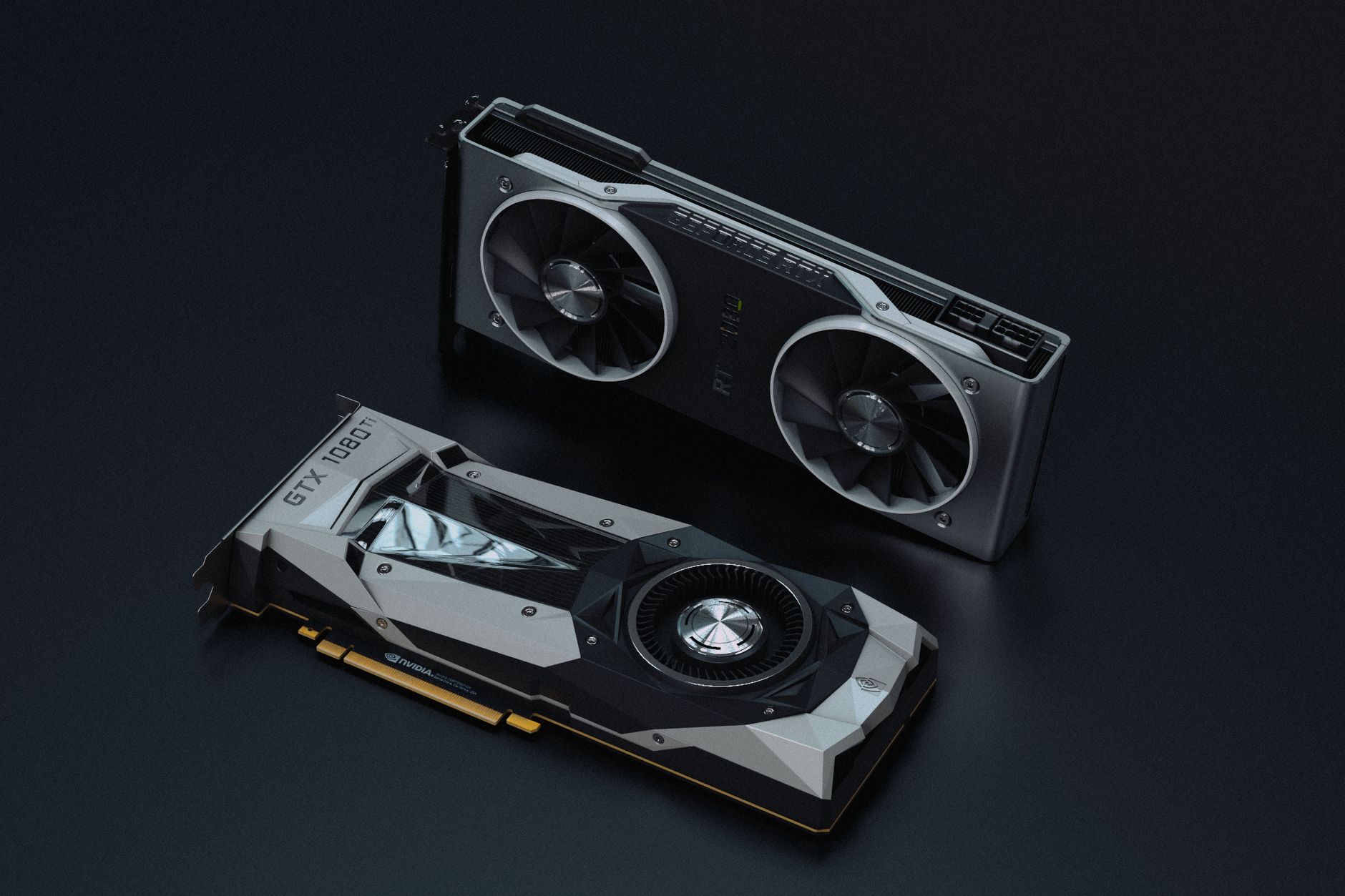
The RTX 5070 Ti is built on NVIDIA’s Blackwell architecture with 16GB of GDDR7 across a 256-bit bus. The RX 9070 XT uses AMD’s RDNA 4 architecture with 16GB of GDDR6 on a 256-bit bus. On paper, the memory configurations look similar, but the RTX 5070 Ti’s GDDR7 delivers considerably higher bandwidth – around 896 GB/s compared to the RX 9070 XT’s 576 GB/s. That bandwidth advantage does show up in specific scenarios, particularly in titles that are heavily texture-bound.
Power consumption is worth addressing before the benchmark numbers. The RX 9070 XT draws around 304W under load, while the RTX 5070 Ti pulls closer to 300W in rasterization workloads – essentially identical thermal envelopes despite the architectural differences. Neither card requires exotic cooling, and both sit comfortably within a standard mid-tower build. What that means is that the performance difference between these two cards cannot be explained away by one consuming dramatically more power.
At the driver level, AMD has done significant work with RDNA 4’s shader compiler and geometry pipeline. RDNA 4 doubled the rasterization throughput compared to RDNA 3 in AMD’s own internal disclosures, and the real-world results at 1440p reflect that. The RX 9070 XT is not the card its predecessor was in terms of closing the gap with NVIDIA’s competing tiers.
The Benchmark Results Across Five Titles
In Cyberpunk 2077 at 1440p Ultra settings with ray tracing off, the RX 9070 XT averaged around 112 fps while the RTX 5070 Ti landed near 128 fps – a roughly 14 percent lead for NVIDIA. That gap is real, but it does not represent a situation where the AMD card is struggling. Both cards are delivering smooth, high-refresh gameplay, and the 9070 XT only falls short if you are specifically targeting competitive frame rates above 120fps at maximum settings without any upscaling.
Black Myth: Wukong is where the gap narrows noticeably. At 1440p with cinematic quality settings and no upscaling, the RX 9070 XT averaged around 68 fps against the RTX 5070 Ti’s 74 fps – a difference of roughly 8-9 percent. This game has historically favored NVIDIA hardware, so the RX 9070 XT holding within single-digit percentage margins is a genuine result worth noting. RDNA 4’s improved geometry handling appears to help in asset-dense scenes like the boss arenas.
Alan Wake 2 at 1440p with ultra quality and ray tracing disabled showed the RTX 5070 Ti pulling further ahead – around 97 fps versus the RX 9070 XT’s 84 fps, a gap of approximately 15 percent. Alan Wake 2 is broadly recognized as an NVIDIA-favored title even in its rasterization path, and the GDDR7 bandwidth advantage of the 5070 Ti likely contributes here given how aggressively the game loads and streams assets.
Hogwarts Legacy and Star Wars Outlaws both narrowed the gap again. In Hogwarts Legacy at Ultra settings, the two cards were separated by under 6 percent – 143 fps for the RTX 5070 Ti and 135 fps for the RX 9070 XT. Star Wars Outlaws showed a similar margin of around 8 percent. These are titles where RDNA 4’s architecture holds up well, and the per-dollar performance calculation starts shifting meaningfully toward AMD in these scenarios.
Averaged across all five titles, the RTX 5070 Ti leads the RX 9070 XT by approximately 10-12 percent at 1440p rasterization. Given the $150 price difference, that translates to NVIDIA charging a premium of around 25 percent for a 10-12 percent average performance gain. For a buyer who specifically wants maximum rasterization throughput and is playing titles that lean NVIDIA, the 5070 Ti justifies itself. For everyone else at 1440p, the math gets uncomfortable fast.
Where the Value Calculation Lands
The RX 9070 XT is the stronger value at 1440p rasterization for the majority of gaming scenarios. It does not win the benchmark sheet, but it stays close enough in most titles that the performance gap is invisible in actual gameplay feel. If you have already been looking at how the RX 9070 XT performs at 4K minimum frame rates, the 1440p picture is equally solid – the card was built with this resolution as its primary target, and the results confirm that AMD engineered it accordingly.
The RTX 5070 Ti earns its place for buyers who are heavily invested in NVIDIA’s ecosystem – DLSS 4 with Multi Frame Generation, NVIDIA Reflex, and better ray tracing performance all factor into a complete picture that rasterization numbers alone do not capture. But in a straight rasterization test at 1440p, spending $150 more for a 10-12 percent average gain requires a specific use case to justify it. The question for most buyers shopping in this price range is not which card is faster – it is whether 10-12 percent faster is worth 25 percent more money.