The Budget Cooler That Refuses to Be Outclassed
The Thermalright Peerless Assassin 120 SE has been on the market long enough to have serious competition, and it still wins most of the fights. At roughly $35-40 USD depending on the retailer, it continues to trade blows with dual-tower coolers and premium single-tower units that cost two to three times as much – and in many tests, it comes out ahead.
What Makes It Work at This Price
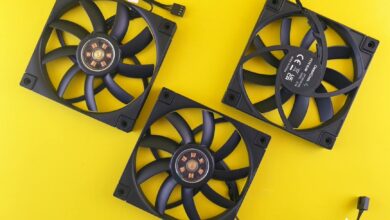
The Peerless Assassin 120 SE is a dual-tower, dual-fan air cooler built around six heat pipes and two 120mm TL-C12 PWM fans. Thermalright uses a nickel-plated copper base with a direct-contact heat pipe layout, which is standard for premium-tier coolers but far less common at this price point. The build quality feels like something that should cost significantly more – the fin stack is dense, the fans click in firmly, and the whole unit feels solid in-hand rather than plasticky or hollow.
On Intel’s LGA1700 platform with a Core i9-13900K or i9-14900K running at full power limits, the Peerless Assassin 120 SE typically keeps package temperatures in the 85-90C range under sustained Cinebench R23 all-core loads. That is competitive with coolers like the be quiet! Dark Rock Pro 4 and the Noctua NH-D15, both of which retail for $80-90 or more. The PA120 SE does not match the absolute top-end performance of Noctua’s flagship or the DeepCool Assassin IV at high ambient temperatures, but the thermal gap is often just 3-5 degrees – a difference that matters far less than marketing suggests.
AMD’s Ryzen 9 7950X and 7900X are actually a better showcase for this cooler. Those chips respond well to sustained heat dissipation rather than short burst capacity, and the PA120 SE’s fin density and fan curve handle that kind of continuous load cleanly. If you are building around a Ryzen 9 or even the newer Ryzen 9000 series – where Zen 5 thermal behavior differs notably from competing Intel architectures – this cooler handles the workload without needing to push the fans to uncomfortable noise levels.
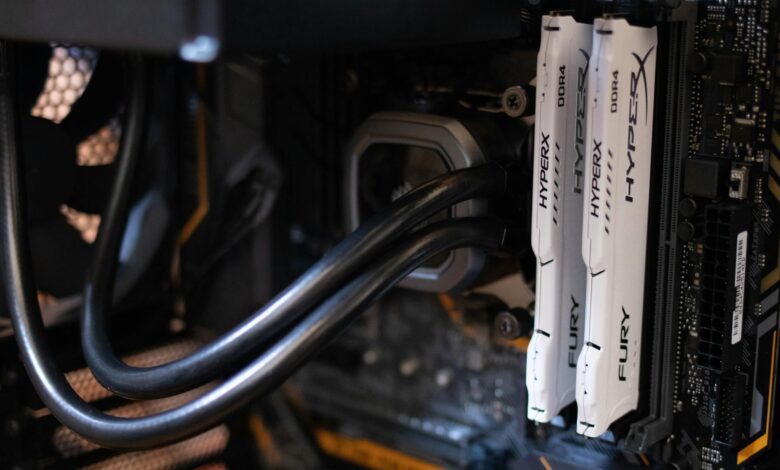
Noise is where the value equation really tips in Thermalright’s favor. The TL-C12 fans are rated at 1550 RPM max and produce around 25-26 dBA under typical load. At idle or light gaming, they are essentially inaudible. Competing coolers at the $70-80 price range from brands like Arctic or Deepcool often perform similarly but with fans that ramp more aggressively in response to thermal spikes. The PA120 SE’s fans stay calm unless you are genuinely hammering the CPU for extended periods.
Installation, Compatibility, and the One Real Complaint
Installation is the most complicated part of owning this cooler, and calling it complicated is generous – it just requires patience. Thermalright includes a universal backplate system that covers Intel LGA1700, LGA1200, and older LGA115x sockets, as well as AMD AM4 and AM5. The hardware bag is well-stocked, and the manual walks through each platform separately. What trips people up is the mounting pressure: getting even contact across the base requires tightening each corner incrementally in a cross pattern rather than fully seating one side first. Skip that step and you will see uneven thermal paste spread and temperatures 5-8 degrees higher than expected.
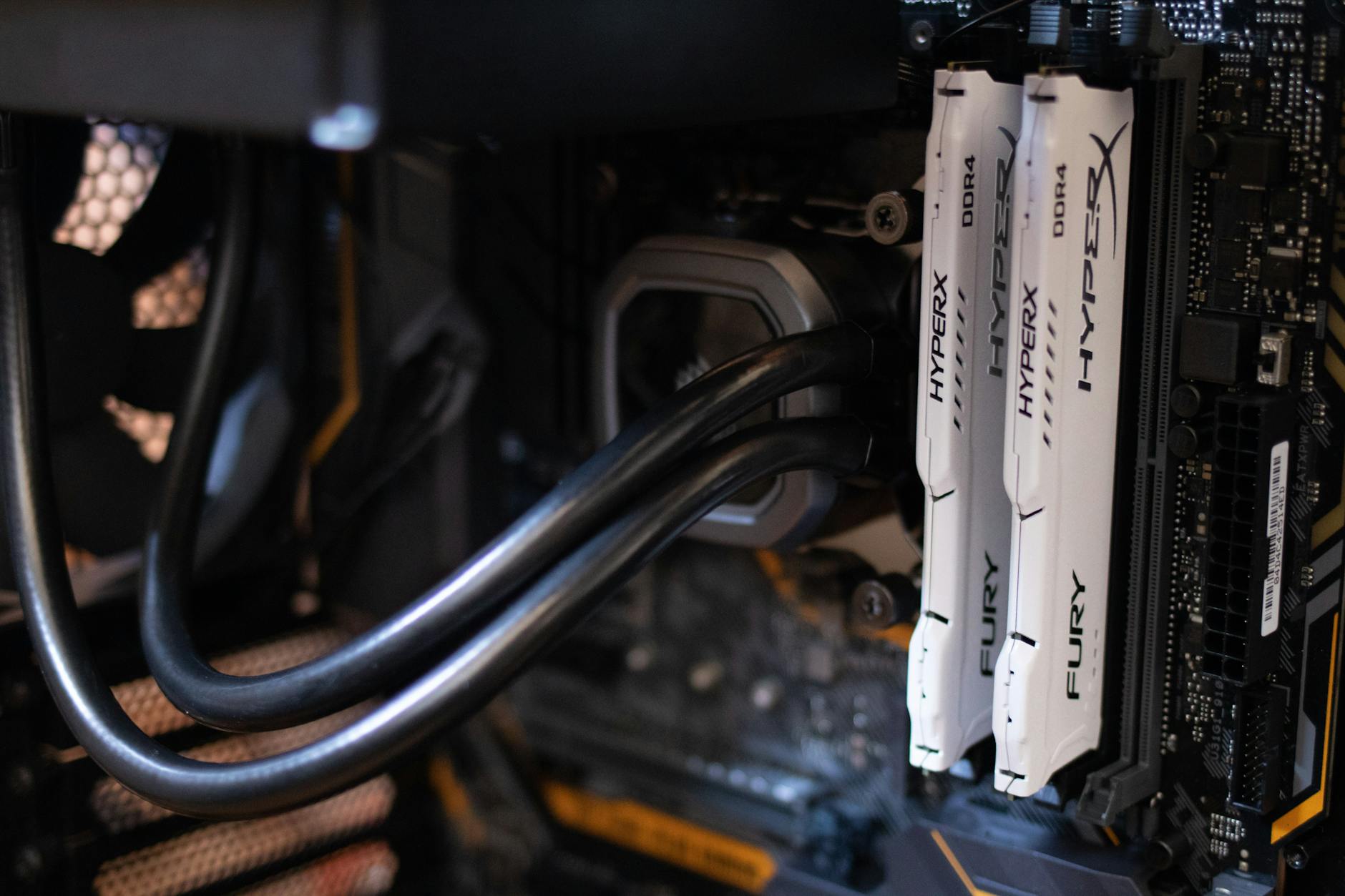
RAM clearance is technically rated to 32mm height on the memory-side fan, which covers most standard DDR5 kits with low-profile heatspreaders. Tall RGB RAM like G.Skill Trident Z5 RGB or Corsair Vengeance DDR5 will require removing the inner fan and mounting it offset – an adjustment that slightly reduces performance but keeps the cooler functional. This is a real inconvenience if your build is centered around an aesthetic that relies on tall, lit memory sticks. Budget DDR5 kits and low-profile options have no issue.
The cooler’s footprint is large but not extreme. It measures 125mm wide, 68mm deep, and 155mm tall. Most mid-tower and full-tower cases handle it without issue, but compact micro-ATX cases with CPU clearance under 160mm will need case-by-case verification. The spec sheet is accurate – Thermalright is not rounding generously. Case selection matters, and if you are building in something like a small form-factor mid-tower, measuring before buying saves an annoying return process.
The thermal paste included in the box – Thermalright’s TFX compound – is genuinely good. A lot of budget coolers include paste as an afterthought, using low-viscosity compounds that are easy to apply but perform poorly under sustained heat. TFX is a high-viscosity paste that requires a thin, deliberate application, but the payoff is thermal conductivity that holds up well past the break-in period of 50-100 hours. You do not need to budget for aftermarket paste when buying the PA120 SE, which is a small but real cost-saving detail that often gets overlooked.
One legitimate criticism: the cooler is heavy. At 1068 grams including fans, it puts real stress on the motherboard’s PCIe slot area and surrounding VRM components if the board flexes during shipping or rough handling. Thermalright does not include a rear support bracket in the box, which is a choice that saves manufacturing cost but leaves the motherboard carrying more weight than is ideal, especially in mid-tower cases that ship standing upright. A support bracket is available separately, and for anyone building a PC that might travel or be moved regularly, it is worth the extra few dollars.
Who Should Actually Buy This
The Peerless Assassin 120 SE makes the most sense for builders who want a one-time purchase they will not need to revisit for the next two or three CPU generations. It supports AM5 and LGA1700 natively, and Thermalright has a track record of releasing mounting hardware updates as new sockets arrive, often making them available at low cost or free to existing customers. That kind of long-term socket support is something only a few cooler manufacturers take seriously.
Where the PA120 SE does not make sense is for anyone running a delidded chip, an extreme overclocking setup, or a system in a hot room with limited ambient airflow. At CPU TDPs above 253W sustained, the cooler starts losing ground to premium alternatives. Below that ceiling – which covers the vast majority of gaming and workstation builds – the price-to-performance ratio is hard to argue against. A $35 cooler that keeps a Core i7-14700K at or below 80C during gaming sessions is doing everything that cooler needs to do, and no amount of spending more will meaningfully change that experience at the monitor.