Two Cards, One Price Point, Very Different Philosophies
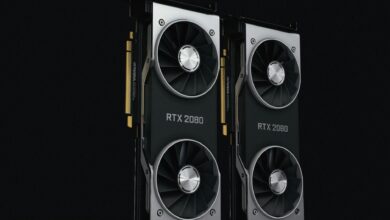
Nvidia’s GeForce RTX 5070 and AMD’s Radeon RX 9070 XT arrived within weeks of each other at roughly the same $599-$649 street price range, and the timing was not accidental. Both companies know 4K gaming is no longer an enthusiast-only pursuit – mid-range builds are pushing native 4K more than ever, and whoever wins this price bracket wins a significant chunk of the PC gaming market. The question is which card actually earns that money at 3840×2160.
These two GPUs represent genuinely different engineering priorities. Nvidia built the RTX 5070 around DLSS 4 and Frame Generation, expecting players to lean on AI upscaling to hit 4K performance targets. AMD’s RX 9070 XT instead pushes raw rasterization harder, banking on FSR 4 improvements and native performance as its main argument.
One card wins on paper specs. The other wins in your living room.

Raw Performance at 4K – Where Each Card Stands
Testing across a slate of demanding titles including Cyberpunk 2077 with path tracing, Alan Wake 2, Black Myth: Wukong, and Hellblade II, the RX 9070 XT consistently delivers stronger native 4K rasterization performance. In Cyberpunk 2077 at native 4K with Ultra settings but ray tracing disabled, the 9070 XT runs roughly 10-15% faster than the RTX 5070 in raw frame output. For players who want to run games without upscaling, that gap is real and noticeable.
Switch ray tracing on, and the calculus shifts. Nvidia’s hardware ray tracing pipeline remains more efficient per watt, and in titles like Alan Wake 2 with full ray tracing enabled, the RTX 5070 closes the gap considerably. Throw DLSS 4 Quality mode into the mix and the RTX 5070 pulls ahead – often delivering smoother frame delivery with less visual noise than FSR 4 at equivalent settings. Frame Generation is where the RTX 5070’s numbers get absurd on paper, doubling displayed frame rates, though the added latency is a real consideration in competitive play.
Black Myth: Wukong is a useful data point because it has strong optimization for both AMD and Nvidia hardware. Here the two cards trade blows depending on the scene, with neither maintaining a consistent lead above a few percentage points. It is essentially a tie in that title at 4K High settings, which tells you something about where the performance ceiling sits for both.
Power, Thermals, and Long-Term Value
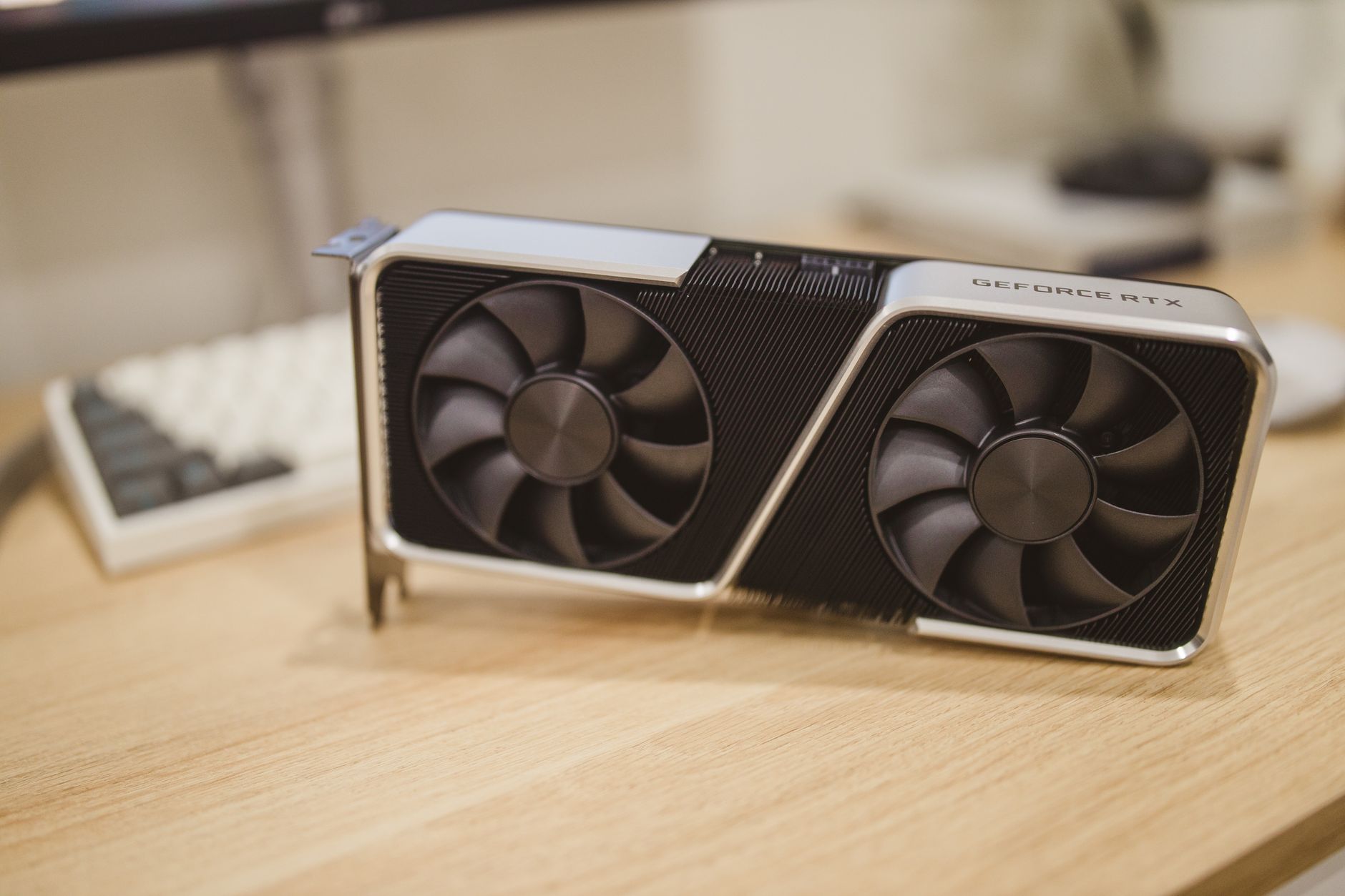
The RX 9070 XT draws noticeably less power under a 4K workload – typically around 220-240W in gaming scenarios versus the RTX 5070’s 200-250W range depending on the game and power limit settings. That difference is small in absolute terms but matters over hours of gaming and scales with electricity costs. AMD’s card also runs cooler in most aftermarket triple-fan configurations, making it a quieter option in compact cases where airflow is limited.
Nvidia’s memory bandwidth advantage – the RTX 5070 carries 12GB of GDDR7 versus the RX 9070 XT’s 16GB GDDR6 – creates an interesting split. The RTX 5070 has faster memory, but less of it. At 4K with texture-heavy mods or in titles that push VRAM hard, the 9070 XT’s 16GB buffer becomes a genuine advantage. Modded Skyrim Anniversary Edition at 4K with high-resolution texture packs is one example where the 9070 XT simply does not stutter while the RTX 5070 occasionally hits its limit. As 4K texture assets continue to grow in scope, 16GB starts looking like the smarter spec for longevity.
For more on how Nvidia’s current-gen architecture behaves under sustained load, the RTX 5090 Founder’s Edition thermal testing gives useful context on how the Ada-successor pipeline handles heat management across the 50-series stack. The 5070 shares enough of that thermal design language that the patterns hold at lower TDPs.
Which Card Is Actually Worth $649 in 2025
If you play with ray tracing enabled and rely on DLSS, the RTX 5070 is the better-tuned card for the way modern titles are being built on the Nvidia side of the fence. The upscaling quality advantage is real, the frame generation implementation is mature, and the ecosystem – Reflex, DLSS, the broader GeForce Experience toolset – is tighter and more consistent than AMD’s equivalent stack right now. Nvidia is also in a stronger position for AI-adjacent features if that matters to your workflow beyond gaming.
But if you game at native resolution, prefer not to depend on upscaling, or plan to mod heavily textured games, the RX 9070 XT makes a stronger argument at the same price. Sixteen gigabytes of VRAM at this price tier is a spec that will age better. AMD’s driver stability has improved considerably since the chaotic RDNA 3 launch period, and FSR 4 is a meaningful step up from FSR 3 in texture clarity and ghosting reduction. If you are coming from a 1440p card and planning to stay on that resolution while occasionally pushing 4K, the 1440p comparison between these two cards tells a slightly different story worth reading before committing.
Neither card is a clean winner. The RTX 5070 is the better choice if you trust Nvidia’s software ecosystem and play ray tracing-heavy titles. The RX 9070 XT is the better buy if you prioritize native performance, VRAM headroom, and raw watts-per-frame efficiency at 4K.

At street prices that have already started fluctuating above MSRP for both cards, the real test is which one you can actually buy at $649 – and right now, availability is the deciding factor more than benchmarks.