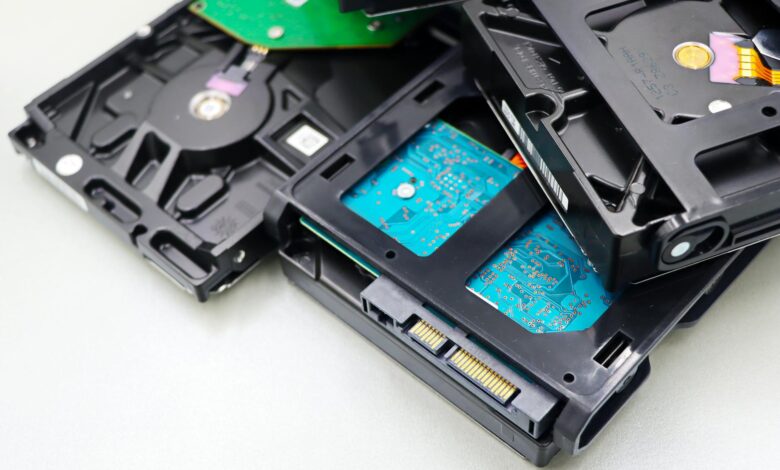
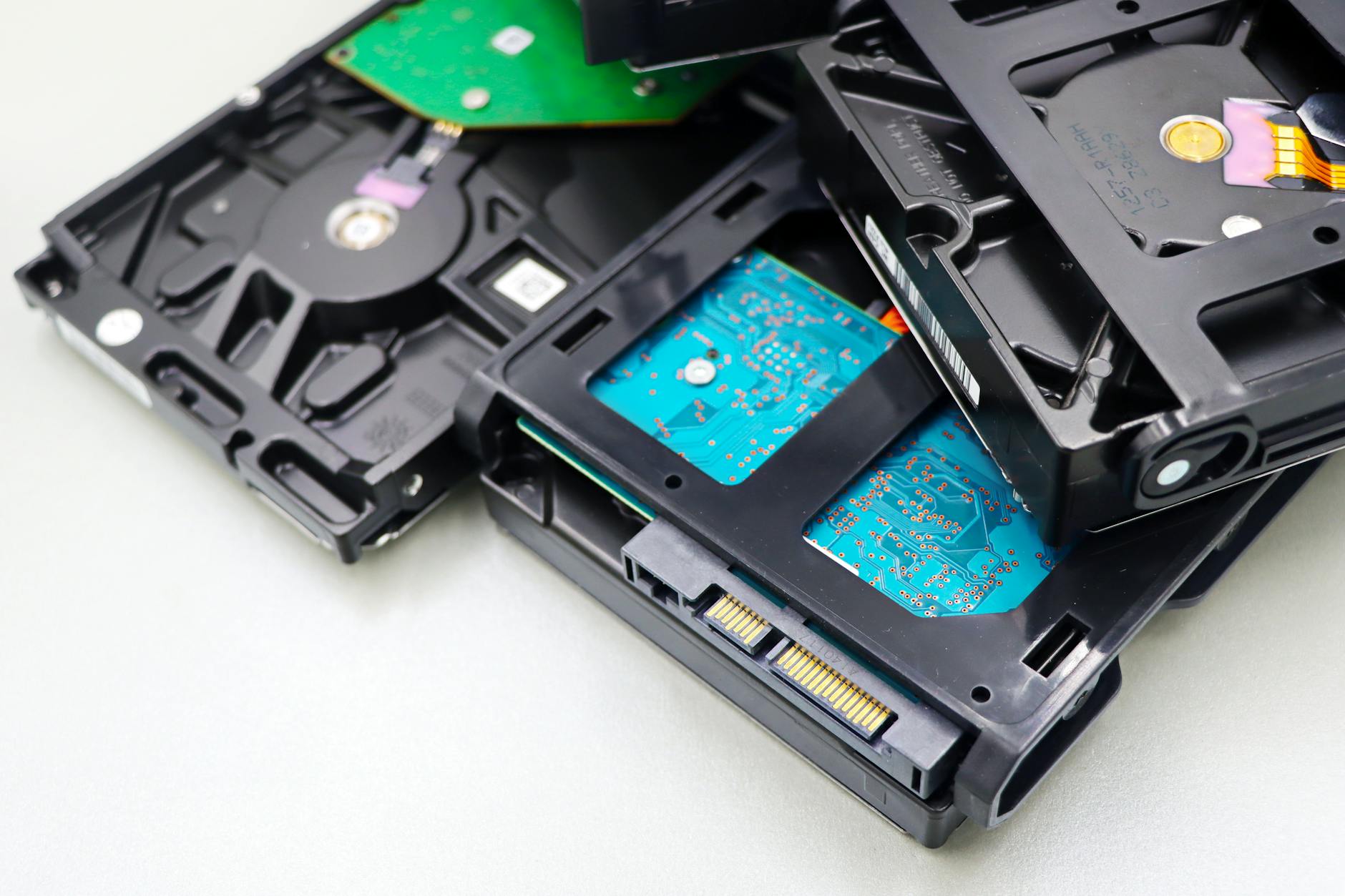
Gaming setups are undergoing their biggest storage revolution since CD-ROMs replaced cartridges. Solid State Drive prices have plummeted so dramatically that traditional hard drives are becoming an endangered species in gaming rigs, fundamentally changing how we think about storage performance and capacity.
The shift happened faster than most industry analysts predicted. What began as premium storage reserved for enthusiasts has become the new baseline, with 1TB NVMe SSDs now selling for under $50 during sales events. This price collapse isn’t just making SSDs accessible – it’s making hard drives irrelevant for modern gaming needs.
Major manufacturers like Samsung, Western Digital, and Crucial have engaged in aggressive pricing strategies throughout 2024, each trying to capture market share as production costs continue falling. The result has been a perfect storm for gamers: faster load times, silent operation, and prices that finally make sense.
The Numbers That Changed Everything
The math is simple and devastating for traditional hard drives. A quality 2TB NVMe SSD that cost $400 two years ago now sells for under $120. Meanwhile, 2TB hard drives hover around $50-60, but the performance gap makes that small savings meaningless for gaming applications.
Modern games are designed with SSD performance in mind. Titles like “Cyberpunk 2077,” “Microsoft Flight Simulator,” and “Call of Duty” variants show dramatic differences in load times between SSD and HDD storage. Where a hard drive might take 60-90 seconds to load a complex game world, an NVMe SSD completes the same task in 10-15 seconds.
The PlayStation 5 and Xbox Series X both ship with SSDs as standard, creating a new baseline for game development. PC ports of console games increasingly assume SSD-level performance, making hard drives a bottleneck that affects actual gameplay, not just convenience.
Storage requirements have also evolved beyond simple capacity needs. DirectStorage technology, supported by Windows 11 and modern graphics cards, allows games to communicate directly with NVMe storage, bypassing traditional CPU limitations. This technology requires SSD speeds to function properly, making hard drives incompatible with cutting-edge gaming features.
Real-World Performance Changes Gaming Experience
The performance difference extends far beyond loading screens. Open-world games benefit enormously from SSD technology, eliminating the texture pop-in and stuttering that plagued hard drive users. Games can now stream high-resolution assets in real-time without the mechanical delays that characterized spinning disk storage.
Competitive gaming has embraced SSDs for reasons beyond speed. The silent operation eliminates the clicking and whirring sounds that could mask audio cues in games like “Counter-Strike” or “Valorant.” Professional esports setups universally use SSD storage, and that standard is trickling down to casual competitive players.
Game installation and updates represent another crucial advantage. Steam downloads can write directly to SSDs at network speeds, while hard drives often become the bottleneck during large game updates. With some AAA games exceeding 100GB, the difference between 30-minute and 3-hour installation times becomes significant.
The reliability factor cannot be ignored. SSDs have no moving parts, making them immune to the mechanical failures that plague hard drives during intense gaming sessions. The constant read/write operations during gaming put stress on storage devices, and SSDs handle this workload without the gradual performance degradation that affects hard drives.
Game developers have noticed the shift and are designing accordingly. Texture streaming, level transitions, and asset loading are all optimized for SSD performance. Some upcoming titles are beginning to list SSD storage as a minimum requirement rather than a recommendation, marking the official transition point.
Market Forces Accelerating the Transition
Manufacturing economics have fundamentally shifted in favor of SSD production. As smartphone and laptop markets demand more flash storage, production scales have increased while costs have decreased. Hard drive manufacturers face the opposite pressure, with shrinking demand leading to higher per-unit costs.
Retailer data shows the trend accelerating. Major PC component retailers report that SSD sales now outnumber hard drive sales by margins exceeding 4:1 in gaming-focused purchases. Black Friday and holiday sales events consistently feature SSD deals as loss leaders, while hard drive discounts generate minimal consumer interest.
The used hardware market reflects this shift. Gaming PCs with SSD storage maintain higher resale values and sell faster than equivalent systems with hard drive storage. Even budget gaming builds increasingly prioritize SSD storage over other components, recognizing the outsized impact on user experience.
Custom PC builders report that clients rarely question SSD recommendations anymore. The conversation has shifted from “Can I afford an SSD?” to “How much SSD storage do I need?” This represents a fundamental change in how gamers approach storage decisions.
Enterprise and data center demand for high-capacity hard drives keeps those production lines active, but consumer-focused drives face an uncertain future. Gaming represents one of the largest consumer storage markets, and its wholesale migration to SSD technology sends clear signals about industry direction.
What This Means for Future Gaming
The SSD transition enables gaming experiences that were previously impossible. Instant world travel in open-world games, seamless level transitions, and real-time asset streaming become standard features rather than technical achievements. Game developers can assume players have high-speed storage, allowing for more ambitious designs and smoother experiences.
Storage capacity concerns are resolving through continued price decreases and improved compression technologies. Games are becoming more efficient with storage space while SSDs offer more capacity at lower prices. The sweet spot for gaming storage appears to be settling around 2-4TB, providing ample space for large game libraries without capacity anxiety.
The integration with other gaming technologies creates compound benefits. Systems with high-end graphics cards and SSD storage work synergistically, with neither component bottlenecking the other. This balance becomes particularly important as gaming resolutions increase and technologies like DLSS 4 make 8K gaming more accessible.
Looking ahead, the hard drive’s role in gaming appears limited to bulk storage for archived games or media files. Active gaming storage has decisively moved to SSD technology, and this transition seems irreversible given current market trends and technological requirements.
The price war between SSD manufacturers shows no signs of ending, with new production facilities coming online and manufacturing processes becoming more efficient. This suggests continued price decreases and capacity increases, further cementing SSD dominance in gaming applications.
For gamers still using hard drives as primary storage, the message is clear: the transition period is ending. Modern gaming experiences increasingly require SSD performance, making the upgrade from optional convenience to practical necessity. The good news is that this necessity has never been more affordable or accessible.
Frequently Asked Questions
Are SSDs now affordable enough to replace hard drives for gaming?
Yes, 1TB NVMe SSDs now sell for under $50 during sales, making them competitive with hard drive pricing while offering vastly superior performance.
Do modern games require SSD storage to run properly?
While most games still technically support hard drives, many new titles are optimized for SSD speeds and some upcoming games list SSD storage as a minimum requirement.