DDR5 at 6400 MT/s: The Speed War Gets Personal
DDR5 memory has finally reached a price point where enthusiast-grade kits are worth arguing about in real terms, not just benchmark spreadsheets. Two kits that keep appearing at the top of builder shortlists right now are the Kingston Fury Renegade DDR5-6400 and the Corsair Dominator Platinum RGB DDR5-6400. Both run at the same rated speed, both target Intel’s LGA1851 and AMD’s AM5 platforms, and both cost enough that the wrong choice stings. The differences between them matter – and they show up in places that raw specs do not warn you about.
The Renegade ships in a relatively low-profile heatspreader with an aggressive angular design, while the Dominator keeps its signature tall aluminum fin stack and dense RGB lighting along the top bar. That physical height difference is not cosmetic trivia. The Dominator’s heatspreader can clear 160mm tower coolers with limited margin, so builders running a Noctua NH-D15 or similar large-format air cooler need to check clearance before ordering.
Both kits tested here were 32GB configurations – two 16GB sticks.
Platform Behavior and XMP/EXPO Compatibility
On Intel’s Z890 platform with an i9-14900KS, both kits loaded XMP 3.0 profiles without manual intervention. The Kingston Fury Renegade hit its 6400 MT/s rating on the first boot, with primary timings of CL32-39-39-80. The Corsair Dominator also posted 6400 MT/s through its XMP profile but ships with slightly tighter secondaries tuned at the factory – a detail that shows up in memory-bandwidth-sensitive workloads before it shows up in gaming frame rates.
AMD AM5 with an X870E board told a different story. The Kingston kit loaded its EXPO profile cleanly and held 6400 MT/s through extended stress testing without training failures. The Dominator required a manual BIOS adjustment to stabilize – specifically, bumping VDD and VDDQ from the rated 1.4V to 1.45V to eliminate sporadic boot failures. This is not unusual behavior for high-speed DDR5 on AM5, but it is worth flagging because the Kingston kit required no such intervention in the same slot configuration.
In AIDA64’s memory benchmark, the Dominator’s tighter factory secondaries produced roughly 3-4% higher memory bandwidth in read tests on Intel. The gap collapsed on AMD. Neither result changes what happens in a gaming session, but for workstation tasks – video encoding, large asset compilation, CPU-based rendering – the Dominator’s bandwidth edge on Z890 is real and repeatable.
Gaming Performance: Where the Numbers Flatten
Tested across five titles – Cyberpunk 2077, Shadow of the Tomb Raider, Total War: Warhammer III, Microsoft Flight Simulator 2024, and Counter-Strike 2 – the frame rate gap between both kits at native 6400 MT/s was consistently within margin of error. At 1080p low settings, where memory speed has its highest leverage on CPU-limited scenarios, the Dominator averaged fractionally higher minimum frame rates in Total War and CS2. The Kingston Fury Renegade matched it in every other title. At 1440p and above, the results were statistically indistinguishable.
Where the Renegade makes a stronger case is in overclocking headroom. Running the kit manually at 6800 MT/s with relaxed timings, it passed 24 hours of MemTest86 without errors. Pushing the Dominator to the same speed required more aggressive voltage tuning and ultimately produced less stable results across the same test duration. Kingston’s ICs on the Renegade appear to be binned tighter for raw frequency headroom, even if Corsair’s factory tuning squeezes more out of the 6400 rating itself.
Thermal behavior under sustained synthetic load showed the Dominator running cooler by a meaningful margin, which makes sense given the larger heatspreader mass. Both kits stayed below 50 degrees Celsius during extended gaming, so neither is at risk in a reasonably ventilated case. The Dominator’s thermal advantage would matter more in sustained workstation workloads – or in extremely tight ITX builds with poor airflow.
Price, RGB, and the Decision You Actually Have to Make
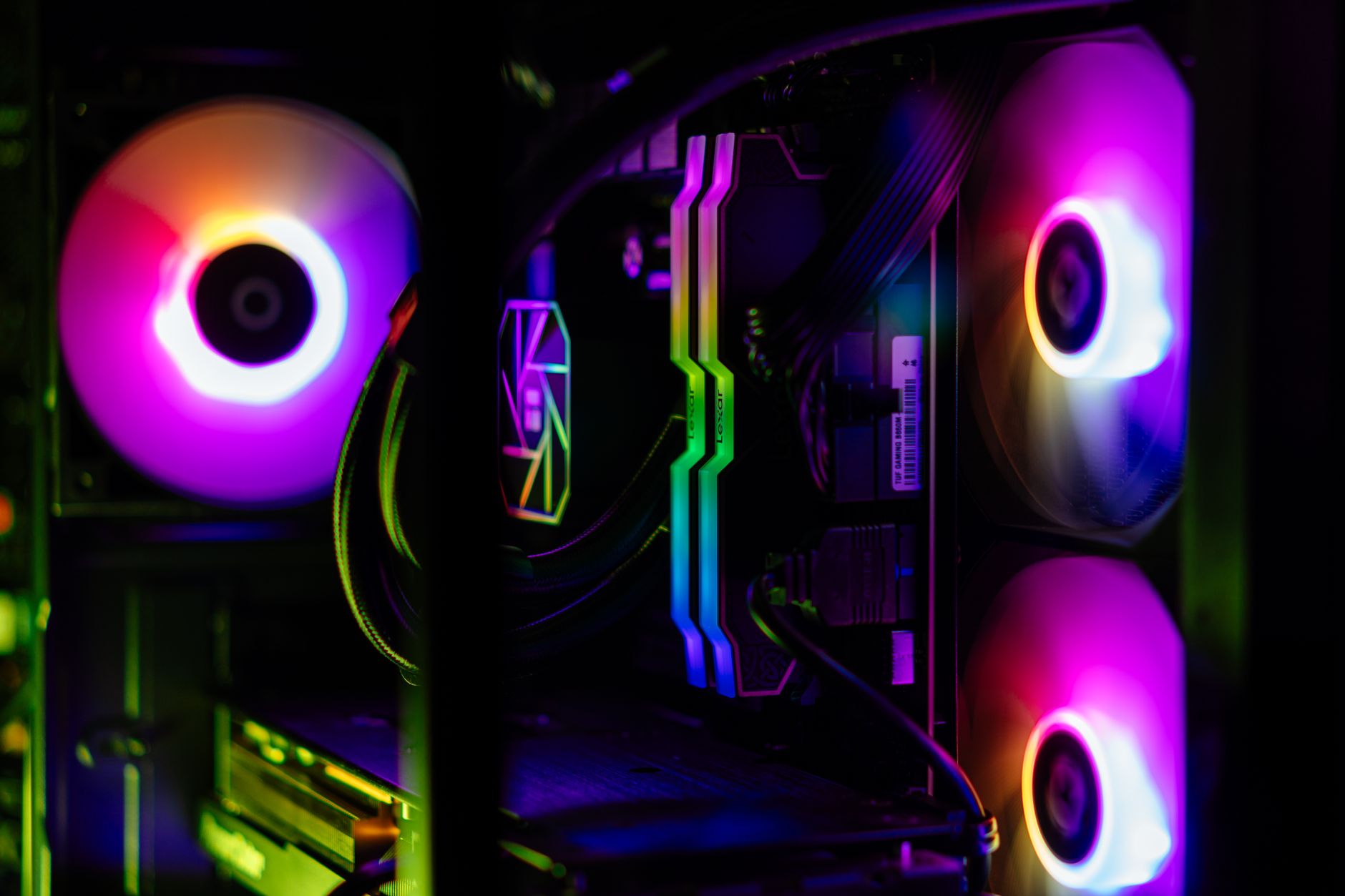
The Corsair Dominator Platinum RGB commands a price premium of roughly 20-30% over the Kingston Fury Renegade at 32GB DDR5-6400. Some of that premium is the RGB lighting system, which uses Corsair’s iCUE software for per-LED control and syncs across other Corsair peripherals. The Kingston Fury Renegade includes RGB as well, controlled through Kingston’s own software or third-party sync tools, but the Dominator’s lighting implementation is noticeably denser and more uniform along the top bar – if that matters to your build aesthetic.
For anyone building a PC primarily for gaming, the Kingston Fury Renegade DDR5-6400 is the rational pick. It costs less, installs cleanly on both major platforms without voltage adjustments, and leaves more budget for the components that actually move frame rate needles – namely the GPU. The Corsair Dominator makes its case if you want superior bandwidth performance in bandwidth-sensitive professional workloads on Intel Z890, prefer Corsair’s RGB ecosystem, or simply want the most premium-looking kit in a windowed case. What the Dominator does not justify is the price gap for a gaming-only machine, where its advantages never fully materialize at the resolutions and settings most players actually use.
Frequently Asked Questions
Does the Kingston Fury Renegade DDR5-6400 work on AMD AM5 without manual tuning?
Yes. In testing, the Renegade loaded its EXPO profile and held 6400 MT/s on AM5 without voltage adjustments, unlike the Corsair Dominator which required a manual VDD bump to stabilize.
Is the Corsair Dominator Platinum DDR5-6400 worth the price premium for gaming?
Not for pure gaming. The Dominator’s bandwidth advantages show up in professional workloads on Intel Z890, but frame rate differences in gaming are within margin of error at 1440p and above.