Budget CPU Meets High-End GPU: A Real-World Problem
Most GPU benchmark articles test cards in ideal conditions – a top-tier processor, fast DDR5, PCIe 5.0 x16 throughput, the works. That setup tells you what a card can theoretically do, not what it will actually do in the machine sitting on your desk right now. The more useful question for a large portion of PC gamers is what happens when you pair a current-generation GPU with an older or budget-tier CPU – the kind of build where someone upgrades their graphics card but keeps everything else.
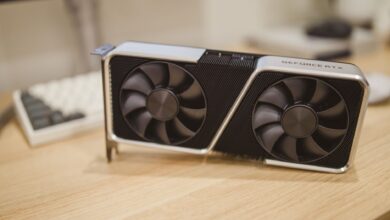
That is exactly what this test addresses. The AMD Radeon RX 9070 XT and NVIDIA’s GeForce RTX 5070 are going head-to-head at 1080p, paired with a low-end CPU to simulate a bottlenecked system. Both cards sit in a similar price bracket and target the same audience of mid-to-high performance buyers. What changes when the processor becomes the limiting factor?

Test Setup and What “Low-End CPU” Actually Means
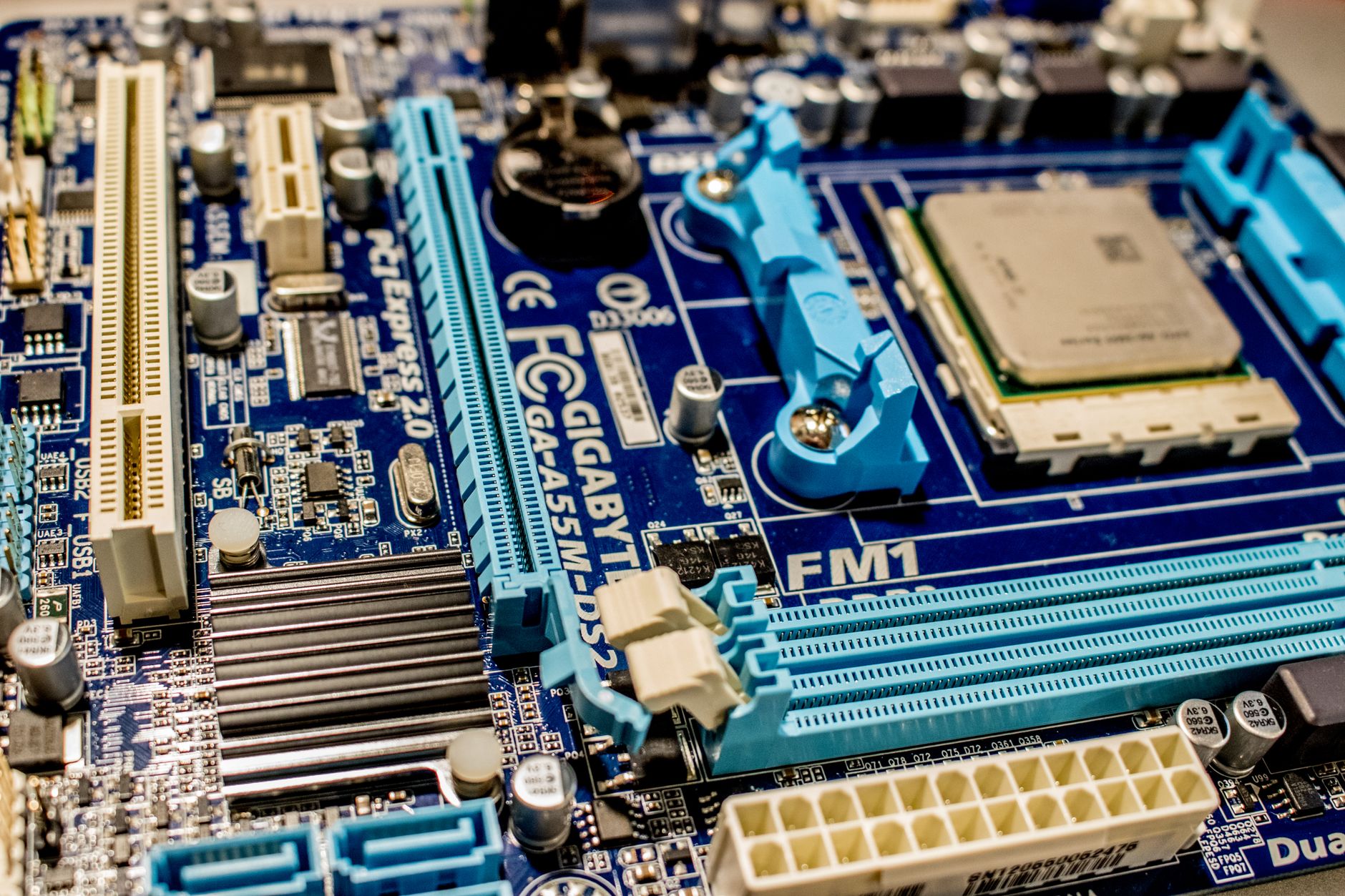
For this test, the CPU used is a Ryzen 5 5600 – a six-core, twelve-thread processor based on Zen 3 architecture, running on a B550 platform with DDR4-3200. This is not an unusual configuration. A significant number of mid-range gaming PCs built between 2021 and 2023 use exactly this chip, and it remains a popular option in budget builds today. It is a capable processor in many scenarios, but at 1080p with modern titles pushing high frame rates, it exposes CPU-side limits quickly.
The RTX 5070 and RX 9070 XT were tested at 1080p with medium and high presets across a range of titles including Cyberpunk 2077, Fortnite, Black Myth: Wukong, Rainbow Six Siege, and God of War Ragnarok. No upscaling was applied in the primary tests – native resolution only – to keep results clean and directly comparable. VRAM configuration sits at 12GB on the RTX 5070 and 16GB on the RX 9070 XT, though at 1080p neither card gets close to a VRAM ceiling.
Both cards were connected via PCIe 4.0 x16, which is the maximum the B550 platform supports. PCIe 5.0 bandwidth differences are a separate conversation, but it is worth flagging that the RTX 5070 is nominally designed with PCIe 5.0 in mind. Whether that affects real-world performance at 1080p in a CPU-limited environment is part of what makes this test relevant.
Where the Bottleneck Appears First
At 1080p with a processor like the Ryzen 5 5600, the ceiling is set by the CPU long before the GPU runs out of headroom. In practice, this means both the RTX 5070 and the RX 9070 XT end up delivering very similar average frame rates in CPU-bound titles. In Fortnite at medium settings, both cards hovered around the same performance window, with GPU utilization sitting well below 90 percent for extended stretches. The difference between a $600 GPU and a $550 GPU effectively disappears when the processor cannot feed draw calls fast enough.
The distinction between the two cards becomes cleaner in GPU-heavy titles where the Ryzen 5 5600 is less of an obstacle. Black Myth: Wukong and Cyberpunk 2077 are both demanding enough at high settings that GPU capability matters even at 1080p, and here the RTX 5070 held a small but consistent lead – roughly 6 to 10 percent higher average frame rates in the most demanding sequences. The RX 9070 XT closed that gap in titles where AMD’s driver stack and shader architecture have historically performed well, like Siege.
Card-Specific Behavior Under CPU Pressure
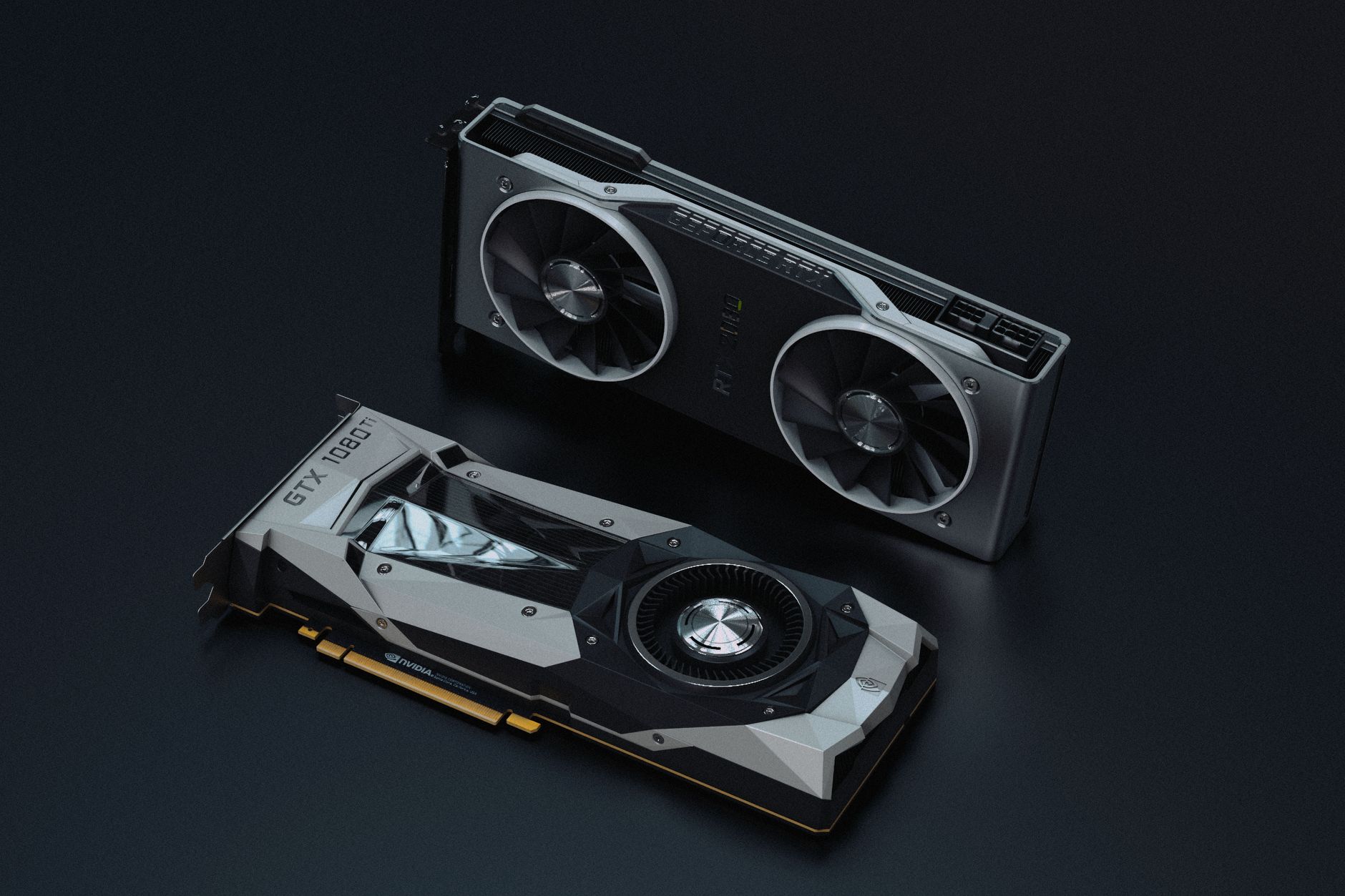
One of the more interesting observations from this test is how each card handles GPU idle time when the CPU bottleneck is severe. The RTX 5070 tends to show more consistent 1 percent low numbers in those CPU-limited scenarios, likely because NVIDIA’s frame pipeline management and driver scheduling handle stutter bursts slightly better when GPU threads are waiting on CPU data. The 1 percent lows on the RX 9070 XT showed more variance in Fortnite and Rainbow Six Siege specifically – not unplayable, but visible on a frame time graph.
AMD’s HYPR-RX software stack, which bundles Radeon Super Resolution, Radeon Anti-Lag 2, and Radeon Boost, does have a practical effect in this CPU-limited context. Anti-Lag 2 in particular – available in supported titles – helps reduce the input lag that compounds when a CPU bottleneck adds frame queuing overhead. In God of War Ragnarok, the feel of the RX 9070 XT improved noticeably with that setting enabled, even if raw frame rate numbers did not shift dramatically.
On the NVIDIA side, DLSS 4 with Frame Generation is a strong argument for the RTX 5070 if the use case involves supported titles and the user is willing to accept generated frames. At 1080p this is somewhat redundant – native frame rates in most titles are already high enough that frame generation is more of a luxury than a necessity. But in extremely demanding scenes in Cyberpunk 2077, frame generation on the RTX 5070 pushed output frame rates well above what the Ryzen 5 5600 alone could sustain, effectively sidestepping the CPU bottleneck in a way the RX 9070 XT’s FSR 4 cannot replicate with the same consistency.
Power consumption differences are modest in this scenario. The RX 9070 XT pulls higher wattage under full GPU load, but in heavily CPU-bound scenarios where GPU utilization drops, its actual draw comes down noticeably. The RTX 5070 maintains more stable power draw across the same conditions. Neither result is alarming for a mid-range build, but the RX 9070 XT’s power behavior is more variable – something to account for if thermals in the case are already tight.
What This Actually Means for Upgrade Decisions
If you are running a Ryzen 5 5600 or something comparable – a Core i5-10600K, a Ryzen 5 3600, anything in that tier – dropping either of these cards into your system will produce gains, but you will not see the full performance floor either card is capable of. At 1080p, both the RTX 5070 and the RX 9070 XT will spend meaningful time waiting on your CPU in fast-paced multiplayer titles. The case for buying either card without also planning a platform upgrade is weaker than NVIDIA and AMD’s marketing materials would suggest.
Between the two cards specifically, the RTX 5070 has a slight edge in consistency under CPU pressure and a significant edge in titles where DLSS 4 Frame Generation is well-implemented. The RX 9070 XT’s 16GB of VRAM gives it more runway at higher resolutions and in texture-heavy titles, which matters if this card is meant to last three or four years across a platform upgrade. For a buyer staying at 1080p indefinitely on aging hardware, the RTX 5070’s driver stability and frame pacing advantage is real. For a buyer who plans to move to a newer platform and a higher resolution in the next year or two, the RX 9070 XT’s memory buffer is the smarter long-term position – and it currently costs less in most markets.
The one scenario where this comparison breaks cleanly in one direction: competitive shooters at 1080p with a CPU-bottlenecked system. If your priority is maximum frame rate in Fortnite, Valorant, or CS2, neither card will save you from needing a CPU upgrade first.