Two Different Philosophies, One Target Resolution
At 1440p in 2026, CPU gaming performance matters more than it did two years ago. GPU bottlenecks have narrowed as graphics cards have grown faster, and the processor is now frequently the limiting factor in high-refresh-rate gaming scenarios. That shift has put AMD’s Ryzen 7 9800X3D and Intel’s Core Ultra 7 265K directly in the crossfire of every serious PC builder’s decision tree.
These two chips represent genuinely different engineering priorities. AMD’s 9800X3D stacks 96MB of L3 cache directly onto the compute die using 3D V-Cache technology, dramatically reducing memory latency for game loops that are starved of fast data access. Intel’s Core Ultra 7 265K, built on the Arrow Lake architecture, leans on a higher core count – 20 cores across performance and efficiency clusters – and a new tile-based design that prioritizes IPC and multi-threaded throughput over raw cache capacity.
One is built almost entirely around gaming. The other is built around everything.
Raw Gaming Performance at 1440p
In CPU-limited 1440p scenarios – paired with a high-end GPU like an RTX 5080 or RX 9070 XT – the 9800X3D consistently pulls ahead in games that respond well to cache size. Titles like Microsoft Flight Simulator 2024, Cyberpunk 2077, Hogwarts Legacy, and most open-world games that stream large asset sets show the AMD chip delivering noticeably higher average frame rates and, more importantly, much tighter 1% lows. The V-Cache architecture reduces how often the CPU has to reach out to slower main memory, which smooths out the frame pacing that causes perceptible stutter even when average FPS looks fine on paper.
The Core Ultra 7 265K is not slow. In esports titles – Counter-Strike 2, Valorant, League of Legends, Rainbow Six Siege – where game engines are tightly optimized and cache advantages are smaller, the gap between the two processors tightens considerably. Arrow Lake’s updated front-end and improved branch prediction close some of the distance in these lighter workloads, and at 1440p specifically, neither chip is leaving frames on the table in competitive games when paired with a fast GPU. The difference in those scenarios comes down to single-digit frame rates that will not be visible on any display.
Where the 265K genuinely loses ground is in newer titles built for high-fidelity simulation and large open worlds – exactly the games that dominate 2025 and 2026 release schedules. The cache gap becomes a consistent penalty across a wider range of games than Intel anticipated when Arrow Lake launched, and AMD has optimized its memory subsystem further with BIOS and AGESA updates that have extended the 9800X3D’s lead in some titles since launch.

Beyond Gaming: Where Intel Still Holds Ground
The Core Ultra 7 265K makes a stronger case the moment a workload leaves the game client. Video encoding, 3D rendering, compilation tasks, and AI-assisted creative work all benefit from the 265K’s 20-core layout in ways the 8-core 9800X3D cannot match. If a machine needs to render video between gaming sessions, stream while encoding locally, or handle regular productivity work at a high level, Intel’s chip is genuinely the better all-rounder. The performance efficiency cores on Arrow Lake handle background tasks without pulling resources from the primary performance cores, which keeps the system responsive during mixed-use workloads.
Thermal behavior is another area where the two chips diverge. The 9800X3D runs cooler under gaming loads than many expect, partly because the V-Cache layer limits how aggressively the chip can be pushed – AMD caps the CPU voltage to protect the stacked silicon. The 265K, by contrast, can draw significantly more power under load and demands a capable cooling solution to hit its performance ceiling. Neither chip requires exotic cooling for standard use, but builders pushing the 265K with all-core loads will need a 280mm or larger AIO to stay comfortable.
Pricing in mid-2026 has also settled in a way that changes the calculus slightly. The 9800X3D has come down from its launch premium and now sits at a price point that is defensible purely on gaming performance per dollar. The 265K requires a newer LGA1851 motherboard, and Intel’s platform costs have historically been harder to absorb at the mid-range. For a dedicated gaming build where the CPU choice is being evaluated purely on frame rates and 1% lows, paying more for a platform that offers workstation advantages you will not use is difficult to justify.
Which Chip Actually Wins at 1440p in 2026
The Ryzen 7 9800X3D is the better 1440p gaming processor in 2026, and the margin is wide enough that it is not a close call in most game libraries. It is also worth reading our coverage of Ryzen AI 9 HX 370 vs Core Ultra 9 285H if you are weighing AMD and Intel performance dynamics in other contexts. The 265K remains a capable chip with real advantages for creators and multi-taskers, but for a machine that exists primarily to run games at high refresh rates, AMD’s cache architecture is still the answer Intel has not managed to out-engineer.
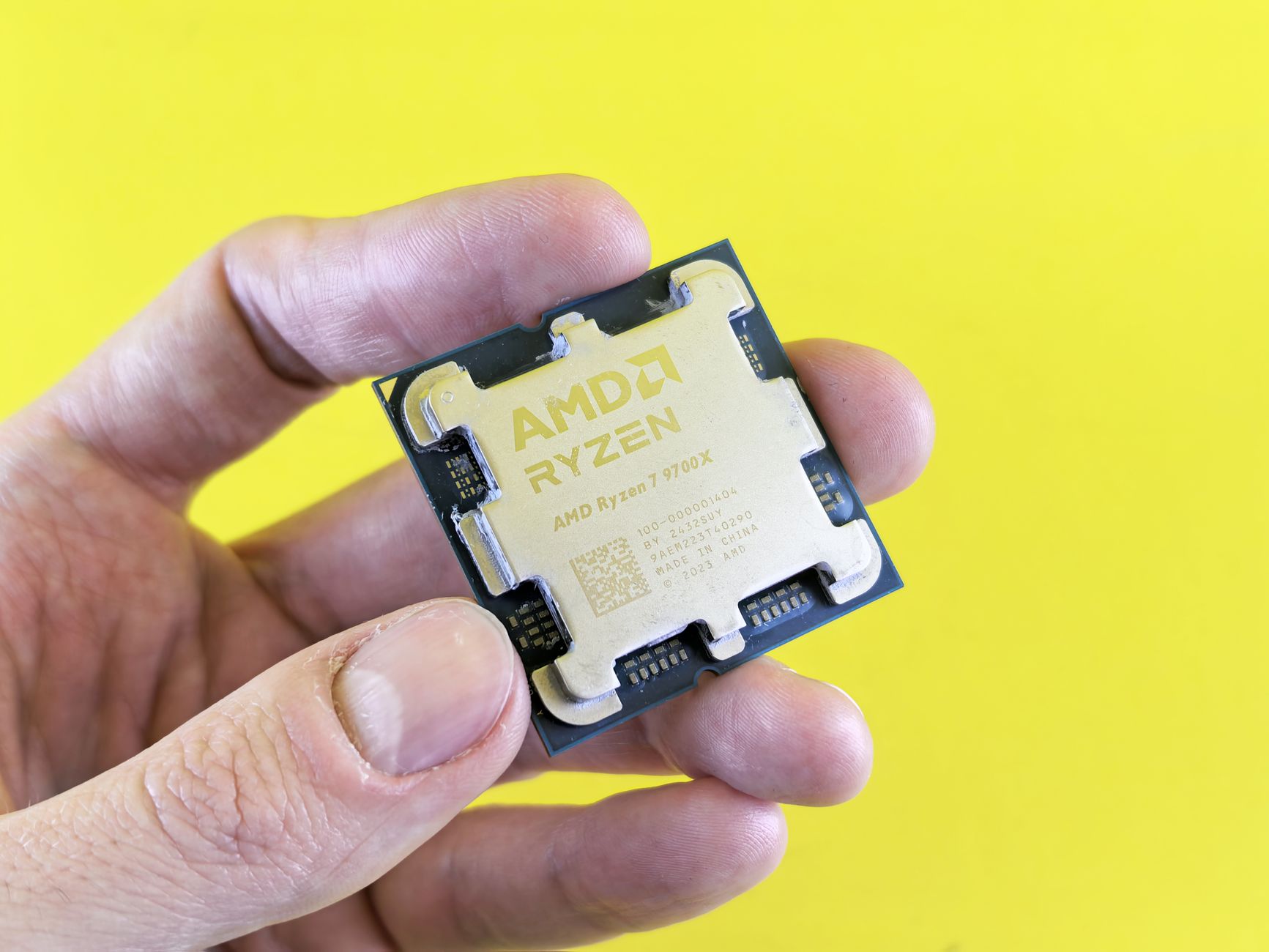
The question that remains unresolved is how long V-Cache holds this advantage. Intel’s next architecture is in development, and AMD’s own follow-up to Zen 5 will eventually push 3D stacking further. But in the current product generation, at 1440p, with the GPU no longer being the only bottleneck – the 9800X3D is the chip that stops you from wondering whether your CPU is holding you back.