Intel’s Budget Card Goes Up Against Nvidia’s New Mid-Range Entry
When Intel launched the Arc B580 in late 2024, nobody quite expected it to hold its own the way it did. At $249, it carved out real territory in the 1080p and 1440p mid-range space, beating cards that cost considerably more in several DirectX 12 and Vulkan titles. That performance per dollar ratio turned heads, and it forced a conversation about whether Nvidia’s grip on the mid-range was actually as tight as the market assumed.
Now Nvidia has responded – not with a paper launch or a rebadge, but with the RTX 5060 Ti built on the Blackwell architecture. Priced at $429 for the 8GB variant and $499 for the 16GB version at launch, it carries ray tracing improvements, DLSS 4 with Multi Frame Generation, and a serious generational IPC jump over the Ada Lovelace generation. The question is whether that extra hardware justifies doubling the Arc B580’s asking price, or whether Intel’s underdog still makes more sense for most PC builders in 2026.
Raw Rasterization: Where Each Card Wins
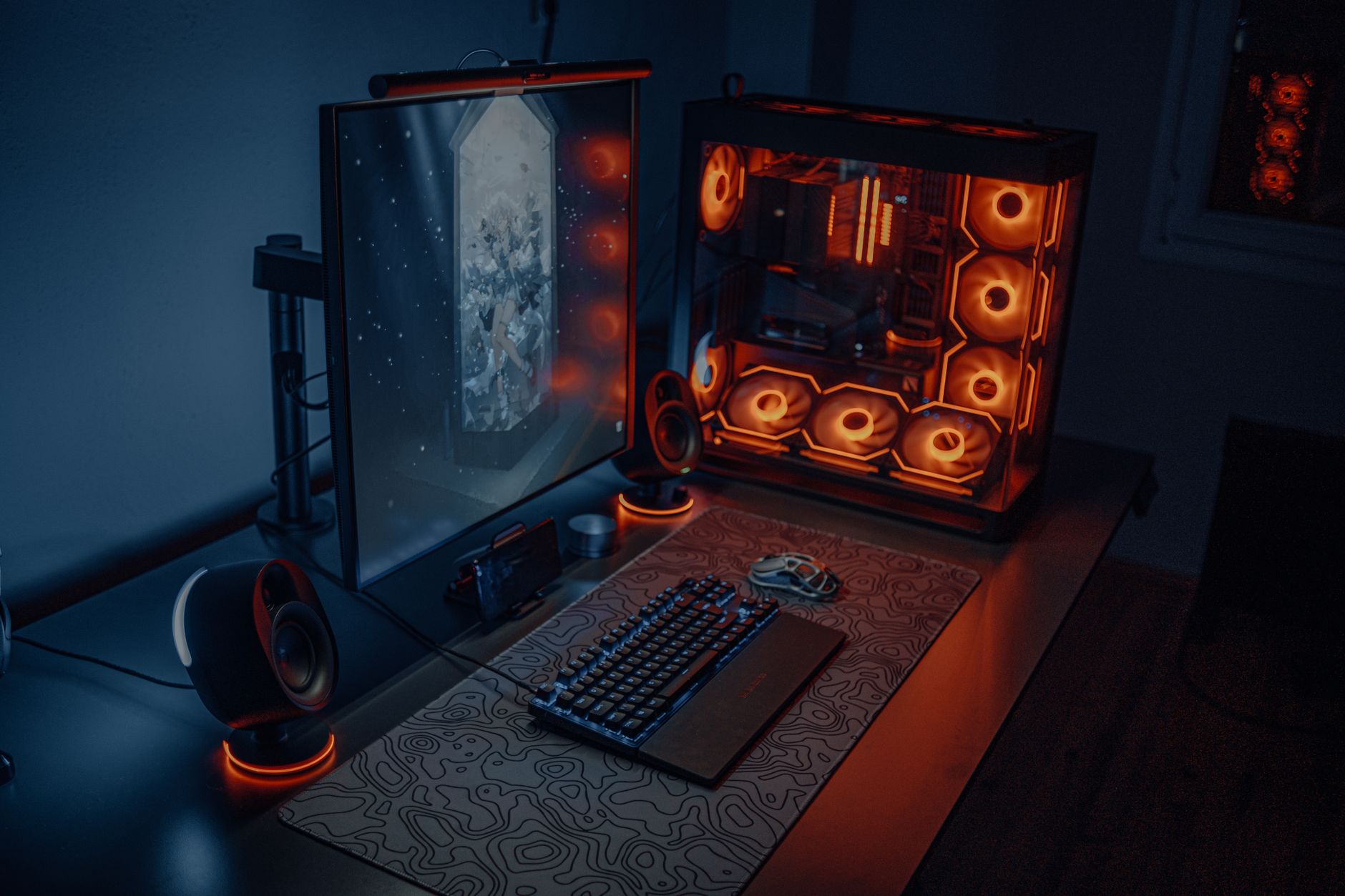
In traditional rasterization workloads, the RTX 5060 Ti pulls ahead consistently at 1440p. In titles like Cyberpunk 2077, Alan Wake 2, and Black Myth: Wukong, the 5060 Ti delivers roughly 25 to 35 percent higher average framerates without any upscaling engaged. That gap closes somewhat at 1080p, where the Arc B580 remains genuinely competitive, but it never fully disappears. Nvidia’s Blackwell architecture brings improved shader performance and memory bandwidth that the Arc B580’s Battlemage design simply cannot match at the raw hardware level.
Where the B580 fights back is in games heavily optimized for modern APIs. Titles built on DirectX 12 Ultimate and Vulkan play to Intel’s XeSS and Xe-core architecture strengths. Baldur’s Gate 3, Starfield with its post-patch optimizations, and Forza Horizon 5 show the B580 trading blows far more aggressively than the price gap would suggest. Intel has also been steadily improving driver quality through 2025 and into 2026, and that work shows in benchmarks that would have looked much messier two years ago.
DLSS 4 vs XeSS 2: The Upscaling Arms Race
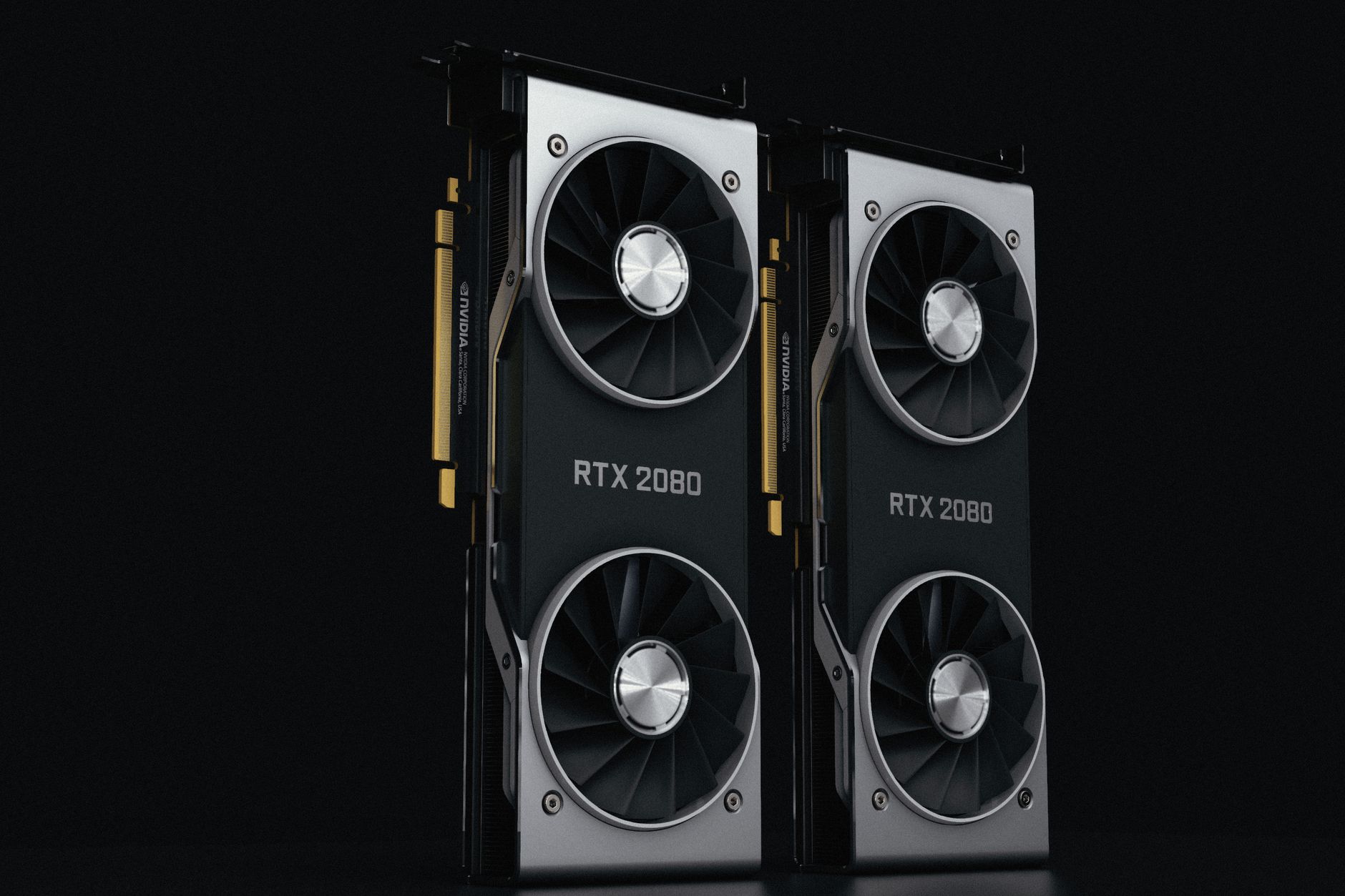
This is where the RTX 5060 Ti creates the most distance. DLSS 4 with Multi Frame Generation is genuinely different from what came before it. It can generate up to three additional frames between each rendered frame, and in titles that support it properly – like Cyberpunk 2077, Marvel’s Spider-Man 2 on PC, and The Witcher 4 – the perceived framerate jumps are dramatic. At 1440p with DLSS 4 Quality mode enabled, the 5060 Ti regularly pushes framerates that make the card feel like a tier above its hardware specs suggest.
Intel’s XeSS 2 has improved, but it operates in a different category. XeSS works on any GPU including AMD cards, which makes it a broad compatibility play rather than a premium proprietary feature. The upscaling quality at the equivalent of Quality mode is good, and Intel’s XeSS 2 sharpening has addressed the earlier ghosting issues that plagued the first generation. But XeSS does not have frame generation that approaches DLSS 4’s implementation in breadth of game support or visual confidence at lower base framerates.
The practical consequence is that at 1440p in a DLSS 4-supported title, a $429 RTX 5060 Ti can feel like a 1440p high-refresh card. The Arc B580 at $249 can feel like a solid 1080p card pushing into 1440p at medium-to-high settings. Those are real distinctions, not just spec-sheet noise. For a competitive FPS player who prioritizes framerate above everything else, the 5060 Ti’s upscaling advantage is not theoretical.
That said, if you play a library that skews toward strategy games, older RPGs, simulation titles, or any game that does not support DLSS 4 – which is still a large portion of the Steam catalog – you are paying for a feature set you will rarely use. In those cases, the B580’s rasterization per dollar starts looking a lot more rational.
Ray Tracing and Workload Diversity
Ray tracing has always been Intel Arc’s soft spot, and the B580 does not escape that history. In ray-traced workloads, the RTX 5060 Ti wins by a large margin. Nvidia’s dedicated RT cores in the Blackwell generation handle reflections, global illumination, and shadow rendering at a hardware level that the B580’s architecture cannot replicate efficiently. If you bought the B580 specifically to play Alan Wake 2 at full ray tracing with path tracing enabled, the experience is rough without upscaling carrying significant weight.
Outside of ray tracing, the story gets more nuanced. The B580 handles video encoding and decoding respectably through Intel’s Quick Sync engine, which matters for creators who also game on the same rig. Nvidia’s NVENC on the 5060 Ti is still the encoding standard for streamers using OBS, but Quick Sync has closed that gap to a point where casual streaming setups will not notice the difference. For pure gaming with no content creation needs, neither advantage tips the scale dramatically.
Value Calculus in 2026
The Arc B580 launched at $249 and street pricing has held fairly steady, occasionally dipping lower during sales. The RTX 5060 Ti’s 8GB variant starts at $429, but the 8GB VRAM ceiling is starting to show strain in 2026 games. Several current titles – including Indiana Jones and the Great Circle at max settings and some recent open-world releases – push past 8GB in their highest texture presets. Intel’s B580 has 12GB of VRAM, which remains one of its strongest selling points at this price tier.
The 16GB RTX 5060 Ti at $499 addresses the VRAM concern but places it $250 above the B580. At that point, the conversation shifts entirely. A $499 card competes against used RTX 4070 cards and entry-level RTX 5070 configurations depending on regional pricing. The 5060 Ti 16GB has to justify itself against those options, not just against a two-year-old budget card from Intel.
For a builder working with a strict $250 to $300 budget, the Arc B580 in 2026 remains a defensible choice – arguably the best option in that bracket if your game library leans toward modern API titles and you are not chasing ray tracing fidelity. It pairs well with a mid-range CPU without creating bottleneck anxiety, and 12GB of VRAM means texture budget is not an immediate concern. The RTX 5060 Ti 8GB, by contrast, has a VRAM situation that already looks questionable at launch, which is a genuine problem for a card meant to carry a build through the next three to four years.
Frequently Asked Questions
Is the Intel Arc B580 still worth buying in 2026?
Yes, at $249 with 12GB VRAM, the B580 remains strong for 1080p and 1440p gaming in modern API titles, especially if ray tracing is not a priority.
Does the RTX 5060 Ti 8GB have enough VRAM in 2026?
It is starting to show limits. Several current titles push past 8GB at maximum settings, making the 16GB variant a safer long-term investment.