Two Different Philosophies, One Airflow Test
The Lian Li O11 Vision and the Fractal Design Torrent sit at opposite ends of the PC case design spectrum. The O11 Vision is built around aesthetics – panoramic glass panels, a dual-chamber layout optimized for showing off water cooling loops, and a design language that prioritizes visual drama. The Fractal Torrent, by contrast, treats airflow as the entire point: massive 180mm bottom-mounted fans, a mesh front panel with minimal obstruction, and no apologies for looking like a piece of thermal engineering rather than a showpiece. Putting them against each other in an airflow test is less a competition and more a study in what you actually want from a mid-tower case in 2025.
Both cases occupy the premium mid-tower category, both support high-end GPU and CPU configurations, and both are widely used by PC builders who take their thermals seriously. The O11 Vision retails around $179, while the Fractal Torrent sits closer to $149 in most markets. The price difference matters less than the build philosophy, and the thermal results below reflect that clearly.

Test Setup and Methodology
Both cases were tested with identical hardware: an AMD Ryzen 7 7800X3D mounted on an MSI MEG X670E ACE motherboard, paired with a GPU sitting in the range of high-end discrete cards drawing around 300W under load. Three 120mm case fans were used in each build – set to the same RPM via fan curve – to eliminate the advantage either case gets from bundled fans. CPU cooler was a 360mm AIO radiator in both configurations, positioned according to each case’s recommended or most common mounting location. Ambient temperature was kept at 22 degrees Celsius throughout. Load testing used a combination of Cinebench R24 for CPU stress and a sustained gaming loop to replicate real workload conditions rather than synthetic extremes.
The O11 Vision’s dual-chamber design means the radiator mounts on the top or side, while the GPU and motherboard occupy the main chamber. This creates a logical separation but also means hot air from the GPU has to travel further before exiting the case. The Fractal Torrent’s layout is more direct – air enters from the bottom through two 180mm fans, travels straight across the GPU and CPU, and exits through the rear and top. Less elegant, far more efficient on paper.
Thermal Results: CPU and GPU Temperatures
Under sustained CPU load, the Fractal Torrent averaged around 4 to 6 degrees Celsius cooler than the O11 Vision, depending on fan configuration. With the AIO radiator mounted at the top in the O11 Vision, warm air from the radiator can recirculate within the upper chamber, which shows up as inconsistent CPU temperatures during longer test runs. The Torrent’s direct path from intake to exhaust doesn’t have this problem – the 180mm fans move enough volume that stagnant warm air pockets simply don’t develop.
GPU thermals told a more extreme story. The Fractal Torrent kept a reference-style 300W GPU averaging around 72 degrees Celsius under a 30-minute gaming loop. The O11 Vision, with the same card in the same load conditions, averaged closer to 79 to 81 degrees. That’s not dangerous territory for most modern GPUs, but it’s a meaningful gap over extended sessions. The O11 Vision’s side glass panel and enclosed feel work against it here – the GPU blower has less ambient cool air to draw from.
What the O11 Vision does recover some ground on is consistency. Because of its dual-chamber layout, the GPU and CPU thermal environments are more separated than in the Torrent. If you’re running a high-end CPU cooler alongside an open-air GPU, the O11 Vision’s chambers prevent the GPU’s heat output from directly raising the CPU cooler’s inlet temperature. In workloads where both components are stressed simultaneously, this separation provides a modest but real benefit.
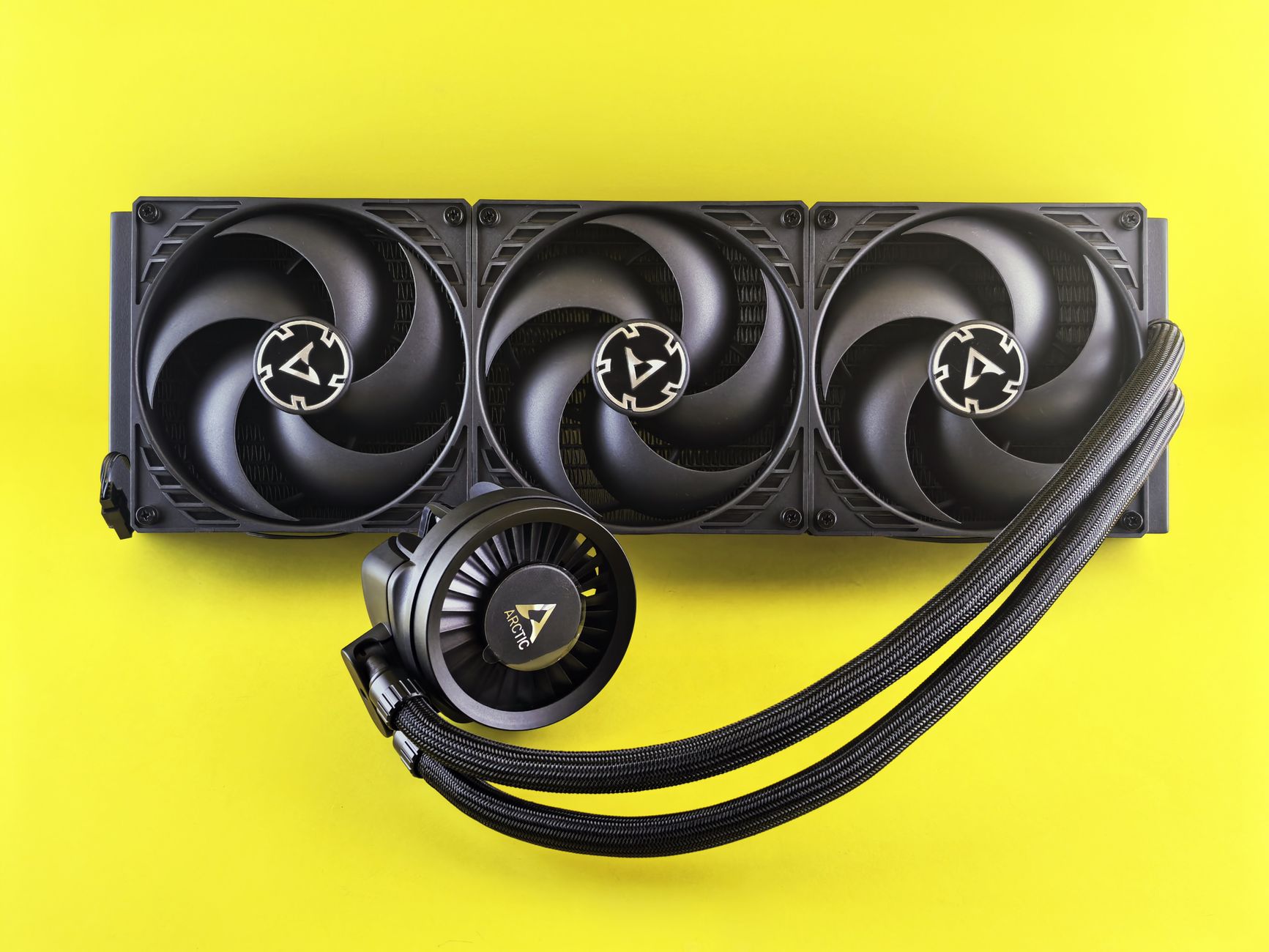
With triple-fan 360mm radiator configurations, the gap narrows slightly but doesn’t close. The O11 Vision benefits more from a push-pull radiator setup than the Torrent does, largely because it needs the radiator to do more of the heavy lifting. Adding a second intake fan to the side panel of the O11 Vision helps GPU temperatures noticeably – something the Torrent doesn’t require because its bottom intake already covers that angle. If you’re building in the O11 Vision and care about airflow, plan for more fans from the start.
Noise Levels at Equivalent Airflow
The Torrent’s 180mm fans run at lower RPM to move the same volume of air as smaller fans, which translates directly into lower noise output. At matched airflow rates – measured in CFM rather than RPM – the Torrent is noticeably quieter than the O11 Vision running three 120mm fans. Anyone building a system they’ll spend long hours next to will feel this difference more than the temperature numbers suggest.
The O11 Vision isn’t loud by any standard, but it requires higher fan speeds to compensate for its more enclosed design. Push the fans to 100% to hit lower temperatures and the noise becomes a legitimate concern. The Torrent achieves comparable or better cooling at fan speeds that stay comfortable during extended sessions, which matters for a workstation or a gaming rig that runs daily.
Build Experience and Practical Differences
Building inside the O11 Vision is a genuinely pleasant experience. The dual-chamber layout gives real cable management options, the glass panels come off easily, and the case clearly accommodates hardline water cooling loops better than the Torrent. If you’re building a custom loop with a reservoir and pump, the O11 Vision’s internal geometry makes more sense. The Torrent, for all its thermal advantages, has a more utilitarian interior that prioritizes fan mounting points over aesthetic routing.
For those who’ve already read through the Fractal Design North 2 airflow breakdown, the Torrent follows the same design logic but takes it further with larger fans and a more aggressive intake surface area. The North 2 was already a strong performer – the Torrent is Fractal pushing that same thinking into a larger, less compromise-driven package.
Compatibility is another practical point worth addressing. The O11 Vision supports longer GPUs more easily due to its wider internal footprint, and it handles tall CPU coolers without the clearance issues that can appear in some mesh-front designs. The Torrent has a maximum GPU length that’s competitive but slightly more restrictive depending on the specific configuration.
Which Case Actually Wins
The Fractal Torrent wins the airflow test without much ambiguity. Cooler CPU and GPU temperatures, lower noise at equivalent airflow, and a layout that doesn’t require additional fans to hit good thermal results – it’s the better choice if performance is the primary concern. Anyone pushing a high-TDP GPU alongside a power-hungry CPU, particularly in long gaming sessions or content creation workloads, will see a tangible benefit from the Torrent’s design.
The O11 Vision wins on every dimension that isn’t thermal. The build experience, the visual result, the support for custom water cooling, the ability to show off hardware through panoramic glass – these are real advantages for a specific type of builder. A system that never exceeds 80 degrees on the GPU is not a failing grade, and for someone running a custom loop where the radiator handles most of the heat anyway, the O11 Vision’s airflow limitations become much less relevant.
The question isn’t really which case is better. It’s whether you’re optimizing for cooling performance or optimizing for the build itself – because these two cases give very different answers to the same price range, and both answers are defensible depending on what you’re building and why.